Shein makes piece with China ahead of IPO in Hong Kong 
Chinese authorities are satisfied that Shein remains a Chinese company at its core
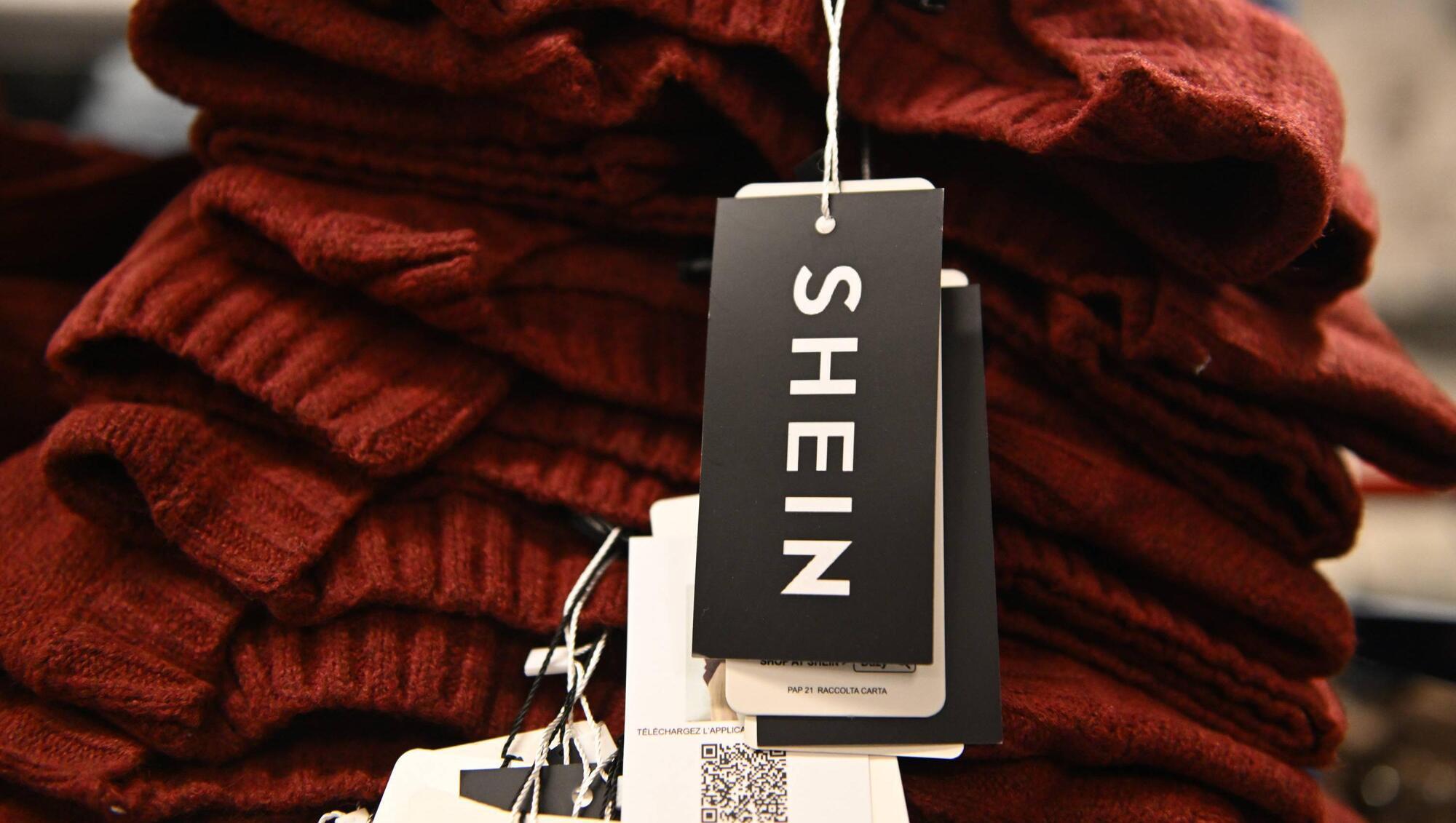
Before deciding to list its stock in Hong Kong, the Chinese fast fashion brand tried to go public in New York and London. File picture: Bloomberg

Before deciding to list its stock in Hong Kong, the Chinese fast fashion brand tried to go public in New York and London. File picture: Bloomberg

When Shein makes its market debut on Tuesday, it will be in Hong Kong and not New York or London like it once dreamed — symbolic of the long journey the fast-fashion online retailer has had to make to embrace its identity as a Chinese company.

Shein, which famously moved its headquarters to Singapore in late 2021 and spent years touting its
credentials as a global company, first attempted to go public in New York and then in London.

Both times, sources have said it failed to secure approval from Chinese authorities including the
securities regulator, which oversees foreign-registered companies with significant operations in China.

After pivoting to a Hong Kong IPO in the first half of 2025, Shein’s founder Sky Xu sought to build ties with Chinese authorities and became more personally involved in regulatory and capital markets outreach in China, according to two people familiar with those efforts.

Normally not one to make public appearances, Mr Xu also spoke at a business forum in Shein’s manufacturing heartland in February this year, pledging $1.5bn (€1.3bn) of Shein investment. That pledge came a few months after Shein inaugurated a research and development centre in the eastern city of Nanjing where it was founded in 2012.

Efforts to highlight those business commitments helped persuade Chinese authorities that Shein remained a Chinese company at its core, which in turn helped it secure approval for the Hong Kong IPO, according to the two people and a third source. All declined to be identified due to the sensitivity of the issue.

Shein did not respond to a Reuters request for comment. The China Securities Regulatory Commission also did not respond to a request for comment.

In other efforts to play up Shein’s Chinese roots, officials of Guangdong province promoted the company before central government authorities as a prominent employer and creator of domestic jobs, said two of the sources.

It was a message that may have resonated as China increasingly grapples with rising unemployment. The Guangdong provincial government’s information office did not respond to a faxed Reuters request for comment.

Shein also highlighted in its outreach efforts that it does not sell its ultra-cheap products in China and does not contribute to the cut-throat competition between e-commerce platforms that is driving deflation and which regulators have vowed to crack down on, according to one of the sources.

Instead, Shein argued its overseas business helps the Chinese economy by bringing in dollars, the source said.

Shein, known for selling tops for under €5 and dresses for under €10, is set to raise $1.7bn in its IPO at a valuation of just $26.5bn, a little over a quarter of what it was worth in 2022.

Before deciding to debut in Hong Kong, Shein had spent four years trying to present itself as a global player. It had not only moved its headquarters, but also publicised its efforts to develop manufacturing hubs in Brazil and Turkey and floated investing in factories in Europe or Britain.

Trade tensions 

In its efforts to list in the West, Shein not only faced opposition from Chinese authorities but also grappled with setbacks and pressure as the US-China trade tensions worsened.

US lawmakers called for the Securities and Exchange Commission to mandate that Shein verify it does not use forced labour before it could list.

Since mid-2022 companies importing into the US must comply with the Uyghur Forced Labor Prevention Act, which presumes goods linked to China’s Xinjiang region involve modern slavery. China rejects all allegations of forced labour in the region and Shein’s supplier code of conduct prohibits forced labour.

In Europe, retailers raised concerns about Shein unfairly competing and selling illegal products.

France’s consumer watchdog found sex dolls resembling children for sale on the company’s marketplace in November, triggering a government crackdown shortly after Shein announced its first brick-and-mortar presence in Paris.

And after the US last year ended the de minimis duty exemption for ecommerce shipments under $800 — which had powered Shein’s rapid growth — the EU followed suit, imposing fees on low-value packages.

That Western pressure has also somewhat softened Chinese regulators’ perspective on Shein, said a fourth source with knowledge of the matter.

Beijing now views the company as a national champion deserving of support in an increasingly hostile external environment, the source said.

  • Reuters

More in this section

The Business Hub

Newsletter

News and analysis on business, money and jobs from Munster and beyond by our expert team of business writers.

Cookie Policy Privacy Policy Brand Safety FAQ Help Contact Us Terms and Conditions

© Examiner Echo Group Limited