Vulnerable migrant awarded €14,000 after being underpaid by Cork construction company
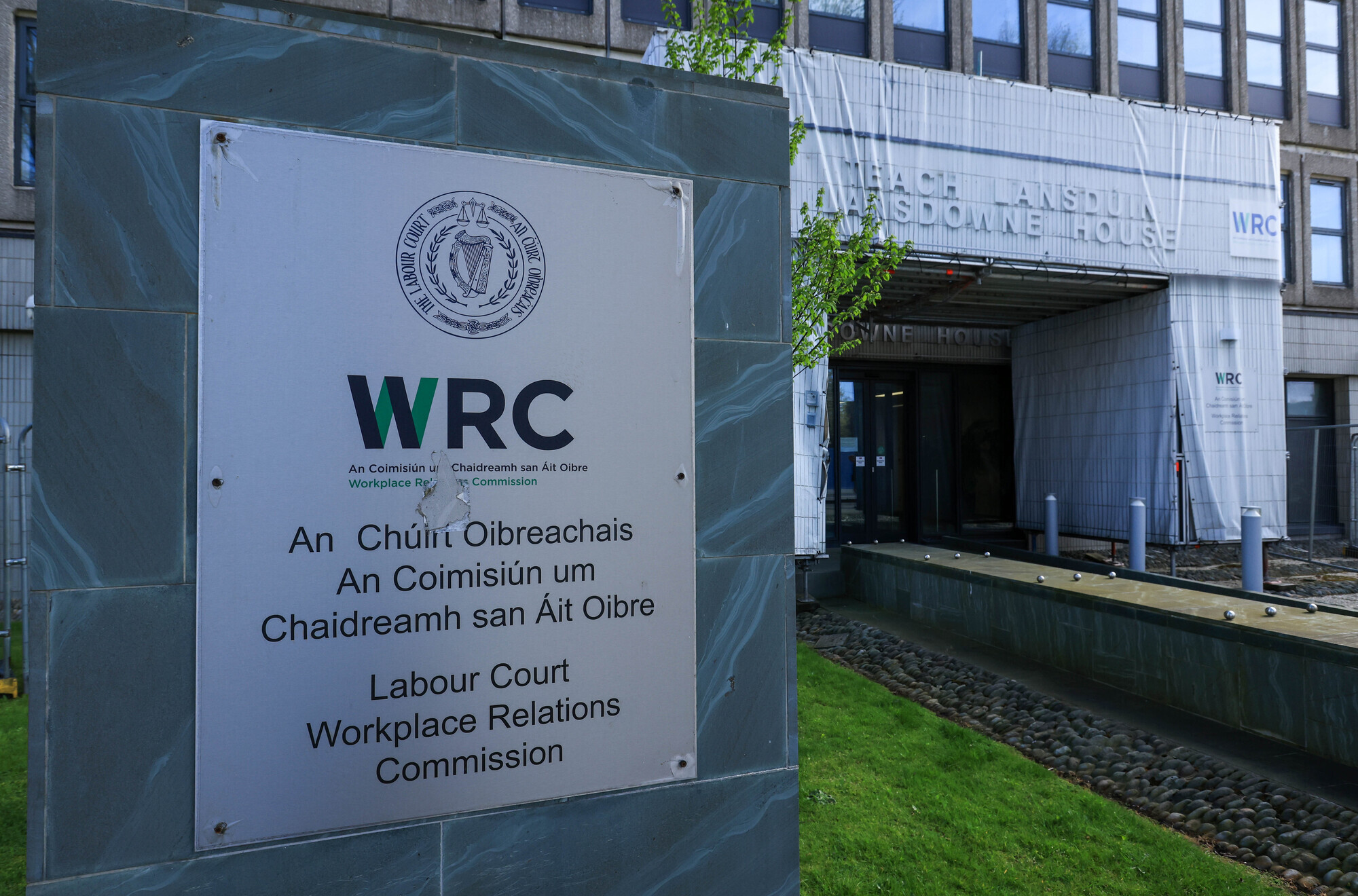
The WRC also heard that Mr Hou had limited English language skills, was unfamiliar with Irish employment rights legislation and procedures and was experiencing uncertainty concerning his immigration and employment permit status.
A vulnerable migrant who worked almost 60-hour weeks and was underpaid by his employer has been awarded more than €14,000 by the Workplace Relations Commission (WRC).
Chinese national Dongming Hou started working for Cork-based Buildify Construction and Technology Limited in July 2024 as a construction engineer, having entered employment on the understanding that the company would assist him in obtaining a work permit.
Mr Hou was told he would receive €1,600 per month during his probationary period, and that his pay would subsequently increase once this period ended.
The worker remained employed with the company until March 2025 and lived in accommodation operated by his employer. Upon termination of his position, Mr Hou was required to vacate the accommodation.
Represented by Pretty Ndawo, Migrant Rights Centre Ireland, the Chinese national alleged that he worked more hours than those for which he was paid for, and that his pay, when assessed against the hours actually worked, fell below the statutory minimum entitlement prescribed by the National Minimum Wage Act 2000.
Mr Hou further contended that he did not receive paid annual leave, nor any payment instead of accrued annual leave.
The WRC also heard that Mr Hou had limited English language skills, was unfamiliar with Irish employment rights legislation and procedures and was experiencing uncertainty concerning his immigration and employment permit status.
Buildify Construction and Technology Limited did not attend the hearing and did not participate in the proceedings. Accounts filed with the Company Registration Office show that the Rochestown-based company, which was operated by Lei Shi and Lan Yang, ceased trading earlier this year.
In his findings, WRC adjudicator Thomas O'Driscoll reported that Mr Hou's duties extended beyond engineering functions and included a range of construction-related tasks such as painting, electrical installation, and plumbing work.
Reliance was also placed upon photographic records generated through Chinese messaging app WeChat, which was used by the company to monitor attendance.
By analysing those records, Mr O'Driscoll said the employee's average working week was calculated at 56.76 hours, with examples from the records showing regular working days in excess of ten hours and weekly totals significantly above the hours envisaged by the written contract.
"The evidence establishes that the Complainant was in a position of significant vulnerability following the termination of his employment," said Mr O'Driscoll, who awarded Mr Hou €12,151 for unpaid wages and a further €2,106 in accrued annual leave entitlements.
CONNECT WITH US TODAY



Be the first to know the latest news and updates