Tyndall workforce to increase to over 750 staff under five-year plan
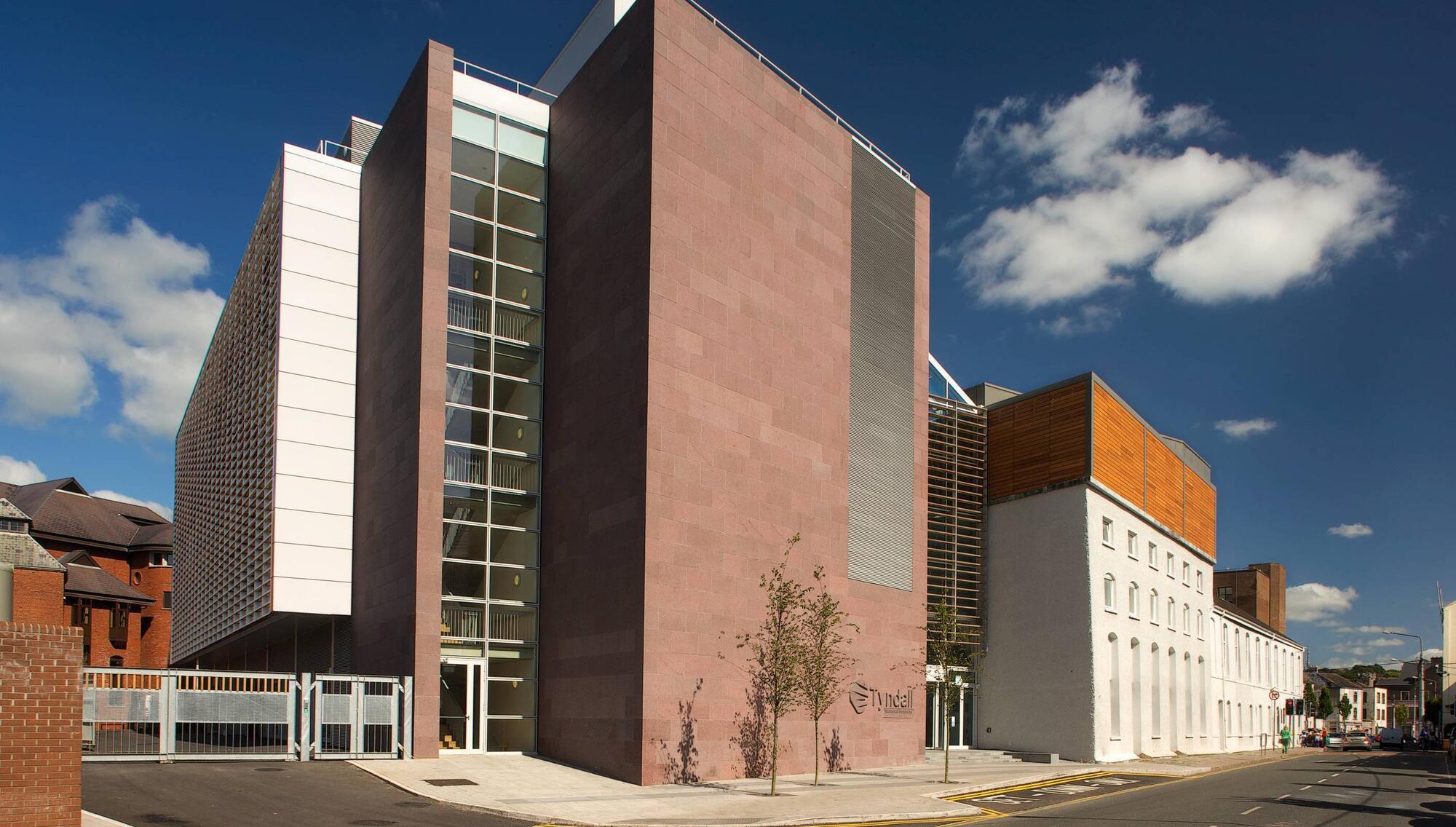
Headquartered in Cork, Tyndall is a European and global leader in semiconductor research and advancement. Pic: Janice O'Connell F22 Photography
Ireland's largest deep tech research centre Tyndall has launched its five-year strategic plan, aiming to put Ireland at the forefront of the global semiconductor landscape.
By 2030, Tyndall will significantly scale its economic and societal impact, growing annual income to over €80 million and expanding its workforce by more than 30% to over 750 employees.
Tyndall 2030 strengthens commercialisation, with 10 new spinouts, and the scaling up of over 30 Irish SMEs by improving access to infrastructure, expertise, and global networks.
Central to the strategy is a significant expansion of Ireland’s semiconductor capability, through increased infrastructure, investment in research programmes, and the development of future talent. The plan includes growth in postgraduate and postdoctoral research, alongside the rollout of a Future Leaders Programme designed to equip the next generation of innovators and industry leaders.
The research centre said that semiconductors enable all forms of modern technology and are critical to everything including household appliances, medical devices, AI agents to sustainable energy systems.
"As highlighted in Tyndall’s 2030 strategy, semiconductors are as fundamental to today’s world as electricity and water, enabling the development of advanced technologies and devices that have transformed many aspects of everyday life," it noted.
Headquartered in Cork, Tyndall is a European and global leader in semiconductor research and advancement.
With Tyndall 2030, the institute said it will evolve from a centre of research excellence into a coordinated national platform. The strategy includes the commitment to appoint 20 new Principal Scientists and 40 Senior Researchers, alongside the training of over 200 postgraduate students to ensure a strong pipeline of future talent.
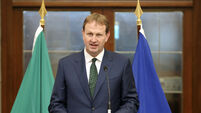
Speaking at the launch, the Taoiseach Micheál Martin said: “Tyndall 2030 demonstrates that Ireland knows where it wants to be and, crucially, how to get there. This strategy strengthens our global reputation as a hub for innovation, ensuring we continue to attract investment, develop talent, and lead in shaping the technologies of tomorrow.
"Tyndall, along with Ireland’s national semiconductor strategy, Silicon Island, is ensuring that Ireland remains a global leader in the technologies that underpin everything from climate action to AI datacentres.
"This strategy confirms Ireland’s position in semiconductor innovation, both in Europe and globally. What we see here is not just world-class research, but a clear vision for the future, one that is powered by talented people, world-class infrastructure, and ambition."
Professor William Scanlon, CEO of Tyndall National Institute, said: “Tyndall 2030 is about translating world-class research into real-world impact. We are investing in both our people and our infrastructure to expand the footprint of Tyndall as a national asset, one that connects ideas, accelerates innovation, and delivers measurable economic value.
This strategy is about building the bridge from discovery to deployment, ensuring that the technologies developed here in Ireland reach global markets and make a meaningful difference.”


CONNECT WITH US TODAY



Be the first to know the latest news and updates