Indian restaurant chain ordered to pay €79,000 in case of 'economic slavery' of migrant worker
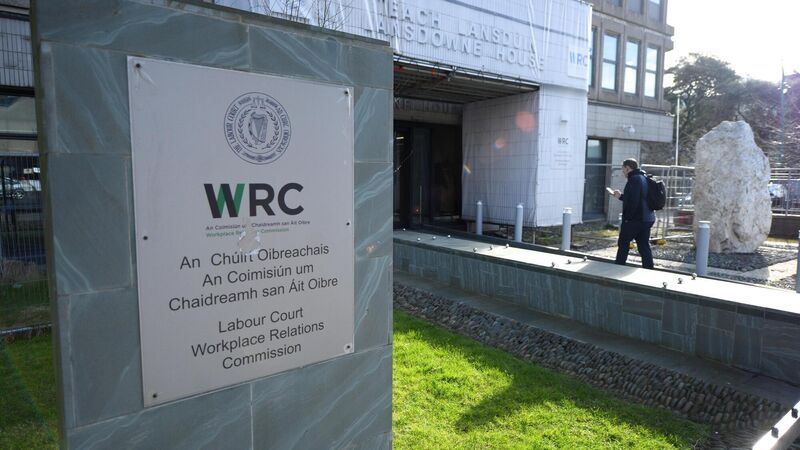
Madhu Foods Limited failed to attend the WRC hearing on two separate dates. Photo: Justin Farrelly /© RollingNews.ie
A Louth-headquartered Indian restaurant chain has been ordered by the Workplace Relations Commission (WRC) to pay a former employee over €79,000 in a case described by the complainant as exploitation amounting to "economic slavery."
Having arrived in Ireland in 2023, Vasantkumar Barot alleged that he was misled and exploited by Louth-based Madhu Foods Limited, trading as Guru Indian Cuisine.
Represented by Sylwia Nowakowska of Migrant Rights Centre Ireland, Mr Barot also alleged that he paid the respondent €15,000 for a work permit, borrowing funds from family and friends to raise the money.
He alleges Madhu Foods Limited told him he would work as a commis chef for 40 hours a week and earn about €570 a week.
Madhu Foods Limited failed to attend the WRC hearing on two separate dates.
Mr Barot alleged that he was directed to work on a farm owned by the respondent from early in the morning and after, would be told to work at one of the restaurants owned by the business, which were located in Dundalk, Drogheda, Newry and Belfast, ending extremely late at night into the early morning.
He alleged he worked on average more than 90 hours a week, receiving irregular payments in cash or by electronic funds transfer in amounts ranging from €99 to €1,000.
Mr Barot alleged that his gross rate per hour was €2.96 in 2023 and €1.61 in 2024.
Summarising Mr Barot's case, WRC adjudicator Brian Dalton said: "The complainant alleges that he was exploited in a most egregious manner by his employer.
"The terms of his contract, it is alleged, were never honoured and were part of a ruse to create the appearance of lawful employment.
"In fact, his employer engaged in egregious exploitation and fraud, using the work permit system to exploit a vulnerable immigrant.
"The oppressive conditions endured by him led to this complainant running away from what amounted to economic slavery, distressed and fearful about his future."
In his findings, the adjudicator said Mr Barot's place of work varied from what was stated as his place of work to restaurants in Northern Ireland and a farm.
Mr Dalton awarded Mr Barot €300 for the restaurant's breach of the Terms of Employment Act (Information Act) 1994, noting that the contracted rate of pay of €576.92 per week was not honoured and varied from week to week.
A further €24,500 in pay arrears was awarded to Mr Barot by the WRC.
Mr Dalton awarded Mr Barot an additional €15,000 for being required to work significantly over and above the statutory maximum average weekly hours.
Mr Barot also alleged that he did not receive 11 consecutive hours of rest in each period of 24 hours on several occasions. Noting the seriousness of the breach, Mr Dalton ordered Madhu Foods Limited to pay Mr Barot €10,000.
The complainant also stated that he did not receive proper rest breaks during the duration of his employment, with Mr Dalton noting that the respondent did not appear to have kept a daily record of rest breaks taken. For this, Mr Dalton ordered Madhu Foods Limited to pay a further €5,000 for the breach.
Another €5,000 was awarded to Mr Barot for his employer's failure to provide proper weekly rest breaks, with Mr Dalton accepting Mr Barot's evidence that he worked seven days a week.
Regarding Sunday premium payments, Mr Barot said he worked 12-hour shifts on 13 Sundays during his employment, amounting to arrears of €761.28, which Madhu Foods Limited was also ordered to pay.
Mr Dalton also ruled that Mr Barot did not receive his public holiday entitlements, ordering the restaurant business to pay an additional €532.44 in compensation to Mr Barot.
The adjudicator also ruled that the worker did not receive any annual leave during his 55 weeks of employment by Madhu Foods Limited. For this, Mr Dalton awarded Mr Barot a further €3,120 in compensation.
In addition, Mr Barot also claimed that his employer only provided him with a copy of his contract in English and "blatantly ignored" virtually every obligation it owed to him.
"Considering this fact, it is alleged that he has established a prima facie case of harassment, discrimination and less favourable treatment on the ground of race," Mr Dalton said.
"In addition, he was threatened by the Respondent to revoke his work permit."
Mr Dalton noted that harassment is a stand-alone claim, and that a presumption of discrimination had been established that Mr Barot was harassed because of his race.
For this, Mr Dalton ordered Mr Madhu to pay €15,000 in compensation for the act of harassment.
However, Mr Dalton said there was not sufficient evidence to establish a case giving rise to a presumption of discrimination on the ground of race, as claimed by Mr Barot.
In total, Madhu Foods Limited was ordered to pay €79,213.72 to Mr Barot.


CONNECT WITH US TODAY



Be the first to know the latest news and updates