Insolvencies to hit 900 this year amid rising cost of doing business
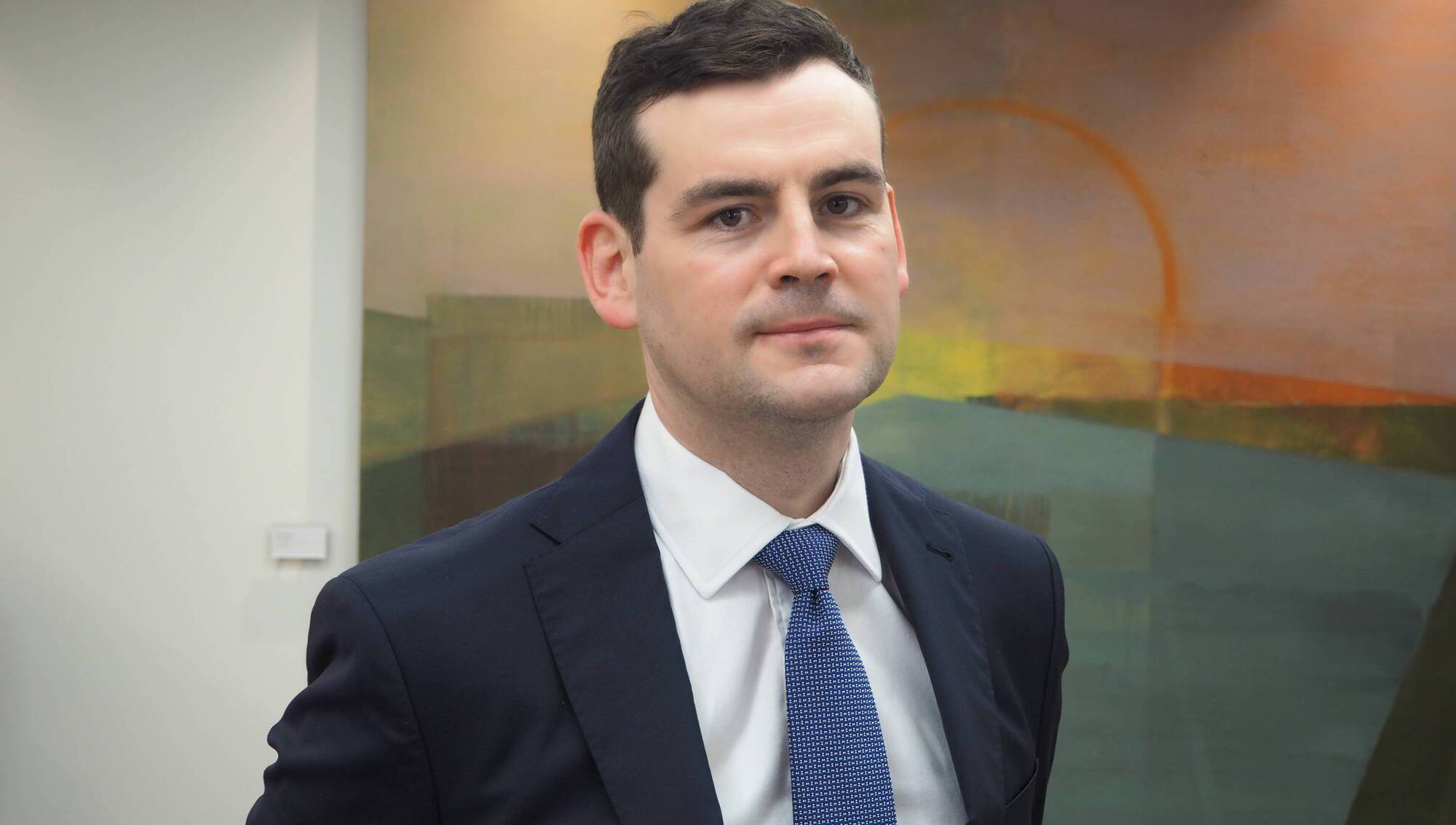
Turnaround and restructuring partner at Deloitte Ireland James Anderson.
Professional services firm Deloitte has forecast the number of corporate insolvencies to reach 900 during 2026 as ongoing cost challenges are expected to have a “disproportionate effect” on small and medium-sized businesses in both the hospitality and retail sectors.
According to Deloitte’s figures, there were 812 corporate insolvency appointments recorded in 2025 — a 7% decrease compared to 2024.
The forecasted increase in insolvencies this year come as measures such as the introduction of the pension auto-enrolment as well as the increase to the minimum wage are expected to add to the cost of doing business.
While the reduction in the Vat rate to 9% in July for food-service companies may assist some companies, Deloitte said it was “unlikely” to decrease insolvency rates in the sector.
Turnaround and restructuring partner at Deloitte Ireland James Anderson said he did not “anticipate a significant change” in insolvency numbers in 2026 but “ongoing cost challenges will continue to have a disproportionate effect on SMEs in both the hospitality and retail sectors”.
According to Deloitte, creditor voluntary liquidations accounted for 535 of these of the total number of insolvencies during 2025, a fall of 20% year-on-year. However, there was an increase in the levels of creditor enforcement via court appointed liquidations and receiverships.
There was an increase in both receivership and court appointed liquidation activity levels in 2025, both of which relate to creditor-led enforcement to recover debts owing with alternative lenders, international lenders and Revenue Commissioners being active.
There was a 30% increase year-on-year in corporate receiverships to 130, while court-appointed liquidations rose by 58% to 104.
The majority of receivership appointments related to loans secured with alternative and international lenders. Pillar banks were the lender of record for only 2% of all corporate receivership appointments.
An analysis by Deloitte showed the Revenue Commissioners were particularly active in the court liquidation appointments space, accounting for some 55% of the total during the year.
Small Company Administrative Rescue Process (Scarp) levels reduced by 23% to 23 in 2025, which Deloitte said indicated it was not having the desired effect for smaller companies since its introduction in 2021. Scarp aims to facilitate simplified out-of-court debt restructuring for small businesses deemed to be viable.
Mr Anderson said the success rate of Scarp "remains high" with more than 250 jobs saved from the process in 2025 but "take-up levels remain well behind intended levels".
Services and the hospitality sector account for highest proportion of corporate insolvencies In total, 349 insolvencies were from the wide-ranging services sector, while the hospitality sector accounted for 16% or 123. Of the total in the hospitality sector, 70% were restaurants and cafés.
The retail sector recorded 97 insolvencies, while the remaining insolvencies were spread across construction, 78, manufacturing, 54, transport, 27, wholesale, 15, and IT, 17.
Leinster accounted for 73% of insolvencies, 594, while Munster accounted for 19%, 157.


CONNECT WITH US TODAY



Be the first to know the latest news and updates