Cost of energy efficiency upgrades a hurdle for many firms
42% of firms surveyed for Pinergy's report by iReach Insights say upfront cost is the biggest barrier to energy efficiency measures
Cost of energy efficiency upgrades a hurdle for many firms

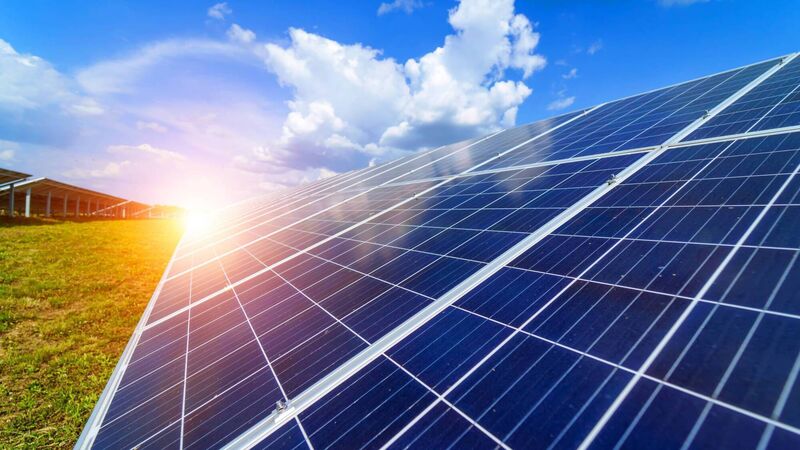
Solar power was among the most popular measures being introduced by businesses with 43% of the businesses surveyed saying they’ve had solar panels installed. Adobe stock

The cost of efficiency upgrades and the difficulty in securing financing for them are among businesses’ biggest hurdles to implementing energy sustainability measures.

According to a report conducted by iReach Insights, on behalf of energy provider Pinergy, 42% of businesses said the biggest hurdle to implementing energy efficiency measures was the upfront cost, while 29% said it was the difficulty in securing financing.


A lack of internal expertise was cited by 25%.

Some 43% of the businesses say they’ve had solar panels installed and 24% plan to install them in 2026.

Over two-thirds, 68%, said cost efficiencies were the primary driver for investing in energy sustainability this year, with 33% citing the need to meet regulatory requirements/compliance.

It also found 26% citing a need to increase resistance to energy price volatility.

Pinergy's chief commercial officer Daire Keating. File picture

And 29% of businesses don’t monitor their energy consumption at all and a further 25% only do so when the bull arrives.

Nearly half of respondents, 46%, said they are monitoring their business’s energy consumption. The research also found that 28% of businesses have no individual or department that is responsible for energy management and sustainability initiatives.

Pinergy's chief commercial officer Daire Keating said the findings “clearly indicate” that Irish businesses are “not just looking at sustainability as a ‘nice-to-have’ or purely for the sake of the environment: It’s a strategic imperative driven by the bottom line”.

He said the research shows a number of “critical gaps” in the execution of sustainability initiatives. He said: 

You can’t effectively manage what you don’t measure, and without clear ownership, initiatives can lose momentum.

“The energy monitoring gap and the sustainability leadership vacuum suggest that many businesses are missing out on significant opportunities to optimise their energy consumption, accelerate their transition to a more sustainable and cost-efficient future, and ensure accountability,” Mr Keating added.

The report was based on 100 responses from energy decision makers within businesses across the country.

x

More in this section

The Business Hub

Newsletter

News and analysis on business, money and jobs from Munster and beyond by our expert team of business writers.

Cookie Policy Privacy Policy Brand Safety FAQ Help Contact Us Terms and Conditions

© Examiner Echo Group Limited