ESRI: AI bubble a 'larger' risk to Irish economy compared to other economies outside of the US
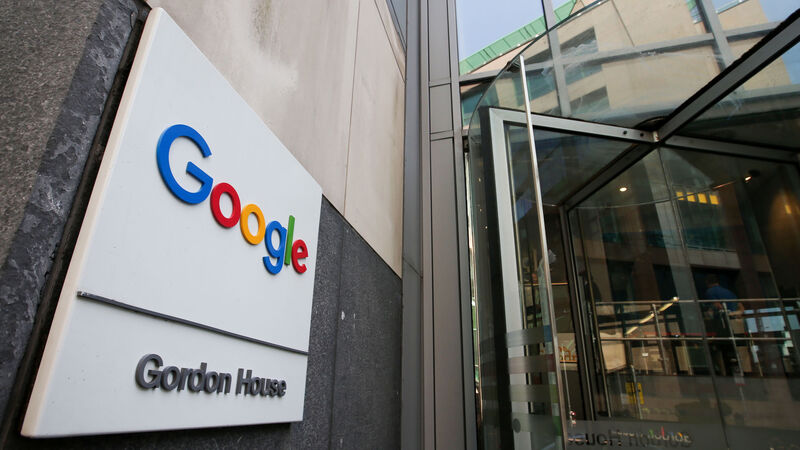
Google and Meta are just two of the large multinationals with significant operations in Ireland that are heavily investing in AI development.
The risk to the Irish economy posed by AI is “larger” compared to other economies outside the US, and if the investment tech firms have put into the technology does not pay off, it could have an impact on employment as well as corporation tax receipts, the Economic and Social Research Institute (ESRI) has said.
In its latest quarterly economic commentary, the ESRI said despite all the headwinds this year, the Irish economy had a strong economic performance, but growth is expected to slow next year, with much of the downside risks coming through international channels.
Author of the commentary Conor O’Toole said these risks present through “broader geopolitical fragmentation and the move towards more protectionist industrial policies” as well as uncertainties from an “investment perspective around the tariff policy”.
The ESRI is forecasting modified domestic demand (MDD) — a measure of the Irish economy that strips out the impacts of multinationals — to grow by 4% this year and by 2.1% next year.
In terms of gross domestic product, which is heavily influenced by multinationals, the ESRI expects it to grow by 13.1% this year, and to fall by 5.7% next year. This fall is largely due to the expectation that exports will decline from their tariff related surge, and investment figures seen in 2025 will not be repeated next year.
Exports are expected to decline by 1.4% next year. Consumption is expected to grow by 2.5% next year, with inflation running at 2.1%, while employment growth is expected to slow to 1.1%.
One area of potential risk to the Irish economy the ESRI highlighted comes from the investment in AI, particularly by US tech firms and the potential impact of a bubble in the industry popping.
Mr O’Toole said the US economy had been “relatively resilient” this year despite the imposition of tariffs on imports due to a significant increase in expenditure related to AI — particularly data centre investment.
He said this investment had “really offset” some of the downside effects of tariffs impact on consumption.
"There's a lot of commentary around the AI bubble or the investment spurt at present. There should be long-term productivity boosts that come through the general rollout of these technologies,” he said.
Mr O’Toole said the risk from AI was “larger” for the Irish economy compared to other economies outside of the US, because if there is any “major downturn in profitability” and the investments by the tech companies do not “give them the return that they expected they would get”, then this could have “an impact on their kind of global operations”.
“Given that they have major presences here in Ireland, and computer services are such a big component of our exports, then this could affect their employment here, their output here, and it could also affect the corporation tax receipts that come from these firms,” he said.
However, even if the AI investments do pay off, Ireland could face issues with these tech companies reducing headcounts.
Mr O’Toole said if AI did bring these promised productivity increases, the question is whether these firms are “going to have a kind of labour replacing investments in AI technologies and therefore their employment growth, with the employment levels in these firms may not be as robust in the future as it was in the past”.
"Certainly, that could put a dampener on employment growth in these firms, in this sector, in Ireland,” he said.