EU to impose €3 levy on parcels from outside EU
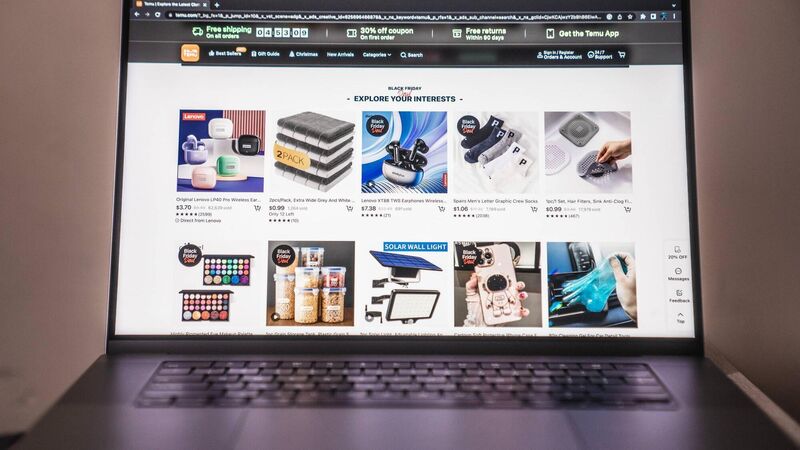
The European Union will impose higher fees on small packages starting next year in an attempt to curb the influx of parcels coming mostly from China. Picture: Lam Yik/Bloomberg
The European Union will impose higher fees on small packages starting next year in an attempt to curb the influx of parcels coming mostly from China.
EU finance ministers agreed on Friday to impose a temporary €3 levy per parcel starting in July, before applying permanent custom duties two years later. The move comes amid a boom in packages from Chinese retailers like Shein and Temu, which has rattled European businesses.
Ministers agreed last month to abolish a rule that let goods under €150 enter the EU without customs duties.
The new rules won’t enter into force until 2028, once a new EU customs data hub is in place. But France led a push to introduce the temporary mechanism ahead of the permanent adoption.
“We want a more level playing field” as these duty-free imports pose a challenge to European companies, said Danish Economy Minister Stephanie Lose, whose country currently holds the rotating EU presidency.
Between 2023 and 2024, the number of e-commerce packages from China worth less than €150 more than doubled, from 1.9 billion to 4.2 billion, according to EU data. That accounted for 91% of all such packages entering the EU in 2024.
“We are seeing more and more junk flooding our market that doesn’t meet quality standards, doesn’t meet consumer protection standards, doesn’t meet environmental standards, and also provides cheap competition,” said German Finance Minister Lars Klingbeil. “That is why it is good that we are now also getting involved within the EU and that the whole thing is being implemented quickly.”
France had specifically targeted Chinese fast-fashion retailer Shein after complaints the company was selling childlike sex dolls and weapons on its website. France forced the company to halt some online sales, and backed an EU probe into the firm.
“These parcels are unfair competition to traditional trade, which pays taxes,” French Finance Minister Roland Lescure said on the eve of the decision, urging the end of the no-custom privilege that benefits mostly China. “The process should integrate a lump-sum tax on small parcels.”
Bloomberg