EU braces for wave of Chinese imports as Trump tariffs redirect Shein and Temu sales

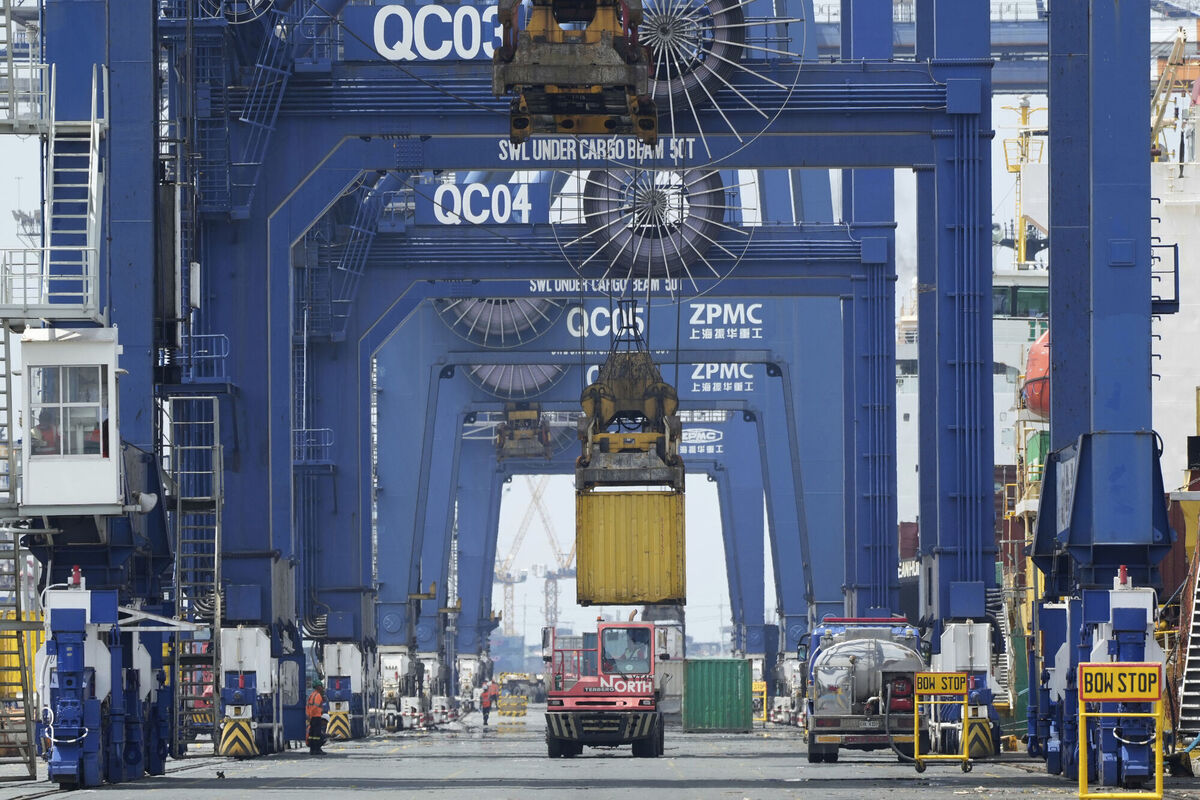
Low cost retailers such as Temu and Shein have seen strong growth over the last few years but trade barriers with the US could significantly hurt both businesses. Picture: Raul Ariano/Bloomberg
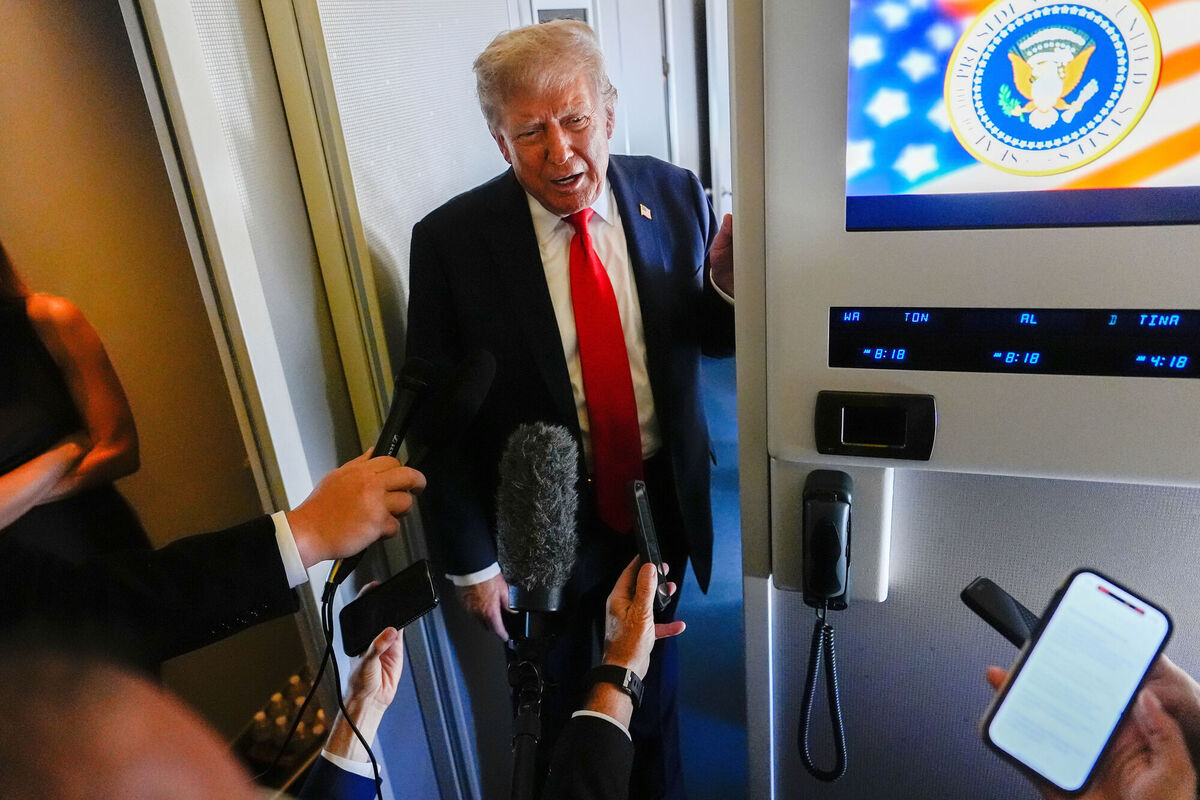
With US president Donald Trump pushing to reshape global trade with the imposition of tariffs on foreign products, firms around the world are looking to diversify into different markets while moving away from the US — which cannot be relied upon as a trusted trading partner.
For China, the US has been its largest trading partner and as a result, has been the focus of Mr Trump’s ire ever since he was sworn back into office. In recent years, the US has become a huge market for low cost products from the likes of online retailers Shein and Temu — who may be seeking alternative destinations for their products given difficult trading conditions with the US.
However, both of these companies have been heavily criticised for numerous issues ranging from poor treatment of workers at factories, to producing low quality and environmentally damaging products, as well as products which are unsafe.
Alacoque McAlpine, Irish Research Council Government of Ireland scholar at Sutherland School of Law in University College Dublin, who has for years lectured in sustainable supply chain management, said companies like Shein would be considered “ultra fast fashion” — as they are on another level compared to retailers here such as Penneys, Zara, and H&M to name a few.
“They’re not as good quality either. So they’re not durable, they don’t last, and they’re essentially going to landfill,” she said.
While the tensions between China and the US may have reduced in recent months, Chinese goods are still subject to a 30% tariff when they arrive in the US. The US is also set to end the de minimis exemption on August 29, which allowed goods valued at $800 (€682) or less to enter the country without any tariffs.
Given all these trade barriers with the US, Chinese exporters may turn their eyes towards the EU — where trade relations are less volatile.
China is the EU’s second largest trading partner for goods after the US. During 2024, the EU imported €519bn worth of goods from China, the vast majority of which were manufactured goods.
In a recent analysis, the European Central Bank (ECB) said the trade barriers now in place between the US and China may result in Chinese exports being redirected to the eurozone.
It said in 2018, following Mr Trump’s imposition of tariffs on China during his first term, this redirection of goods to Europe was “significant” with the eurozone “absorbing the trade displaced by US tariffs”.
“Between 2018 and 2019, eurozone imports from China increased by around 2 to 3%,” the analysis said.
The ECB said there were several factors that suggest the eurozone could experience a larger redirection of Chinese exports.
“The composition of Chinese exports to the United States and to the eurozone is similar, making the eurozone a natural alternative,” the ECB said.
“Established supply chain links, which have expanded since the last China-US trade war, and ongoing industrial upgrades in China, facilitate the redirection of trade flows. Many euro area firms already rely on Chinese imports, making it easier to absorb redirected goods.”
It also pointed out that Chinese businesses have already laid the groundwork for faster market entry into the EU, having “almost tripled their presence with investments in European sales and distribution networks since 2017”.
“In addition, Chinese authorities have pledged targeted support to help affected exporters redirect sales to domestic or third markets, which could allow for further price cuts,” the ECB said.

The bank added that increasing exports from China to the eurozone has the potential to exert downward pressure on eurozone inflation through lower import prices.
In its upper estimates, the ECB suggests these tariffs could increase imports from China by 10%.
While most products that make it to the EU are just made in China by large international companies, the growth of Chinese brands beyond the country’s borders is becoming more common. Companies like Shein and Temu are getting a stronger foothold in the EU.
Getting an idea of Shein’s growing popularity can be difficult as it is a privately-owned company.
According to Bloomberg News, during the first quarter of this year, the overall Shein Group reportedly generated global revenue of $10bn, with net income rising to over $400m. This was before Mr Trump implemented tariffs on Chinese imports.
The Bloomberg report cited unnamed sources from the company but Shein disputed these figures without elaborating.
The clothing retailer, founded in mainland China but headquartered in Singapore, does not disclose its financial figures so it is unclear how Shein fared in the second quarter after tariffs were implemented.
Financial documents from Shein’s Irish arm Infinite Styles Ecommerce, which handles the company’s operations across the EU, show it is having considerable success in the EU.
In 2023, the company reported revenue of €7.68bn — up from €4.58bn the year prior. This resulted in profit of just under €100m — up from €45.8m the year before.
Also, Shein’s sales in Britain, while not being in the EU, has also grown significantly — with the company reporting a 32.3% increase in revenue during its most recent financial year to £2.05bn (€2.374bn).
The growth of Shein is being seen as a concern as their low cost products and business practices have been heavily criticised in the past.

Ms McAlpine said all the “slick marketing” from companies like Shein has made “consumers think that they need to buy the products more frequently, and they kind of treat them as disposable”.
“There is rapid turnover of new products again on a weekly basis. It’s mainly polyester based, so there’s a huge environmental impact there,” she said.
“Fast fashion has always had a very negative impact on the environment. In the last 20 years, global fibre production has doubled, and it’s expected to grow if things continue the way they are. The fashion industry is the second biggest consumer of water industry-wide, it’s responsible for 10% of global carbon emissions.”
Ms McAlpine said all these textiles are going to the dump because they cannot be recycled, due to being plastic based or mixed fibres.
She said: “Shein is selling a lot of products, and they’re selling it very cheaply. How do they do this? Well, they do it by putting a lot of pressure on their suppliers at the end of the supply chain, and then those suppliers put pressure on their workers.”
She also said that the growing prevalence of Shein also means that retailers here will also try to stay competitive and as prices fall, it will ultimately hurt the worker who makes the product.
“Prices keep falling, and then the garment factories have to respond to the price pressure, and they will cut the most flexible cost, which is wages,” she said.
Ms McAlpine said she doesn’t blame the consumer, this is an “extremely profitable industry” and these companies encourage people to be buying and disposing of their clothes on a regular basis.
She said: “I just don’t believe consumers woke up in the morning and decided to spend all our money on this. I believe it’s the marketing by the companies that have convinced us. They kind of changed our perception of fashion, and they’re really good at making us feel bad about ourselves so we buy more.”
Ms McAlpine said there are no international standards in regards to regulating these supply chains and there are no health and safety regulations these firms have to follow when sourcing their products.
“I think regulation is important. All the companies went overseas to take advantage of low-cost wages and lax environmental standards and with no commensurate regulation,” she said, adding that these companies eventually got in trouble for issues such as child labour, not paying workers, and environmental issues.
She said some companies tried to impose codes of conduct but this hasn’t worked: “I think we cannot leave it up to the companies. Unfortunately, we need legislation, and the EU has been putting in place legislation, but unfortunately, since the Draghi report last September, they’re all about cutting the red tape, and they’re deregulating everything.”
In a statement, Shein said they operate a “customer-driven, on-demand business model” that allows the company to meet demand “while reducing overproduction and waste and maintaining affordability at the same time”.
In regards to its supply chain conditions, it said it is committed to “fostering a safe and fair work environment for all of our suppliers’ employees”. The company added that it invests time and money into ensuring workers in its supply chain are “treated fairly”, while working with third-party agencies to monitor compliance with local laws and international standards.
Temu, on the other hand, has its own problems.
Its owner, PDD Holdings, reported a 47% drop in profit during its first quarter of the year amid local competition and global trade uncertainty.
Whaleco Technology Limited is the Irish arm of PDD Holdings for the purpose of doing business in the EU. In its latest available financial documents, from 2023, it generated just under €758m in revenue from its operations, resulting in a profit of €38m.
Last month, EU justice commissioner Michael McGrath said he was shocked at the toxicity and dangers of some goods being sold to Temu and Shein amid a crackdown on the retail platforms.
Among the worst examples cited by Mr McGrath include baby soothers with beads that fall off easily, which pose a choking hazard because they did not have the regulation size hole to enable a baby who did swallow one accidentally to continue to get air.
Other goods cited by MEPs include children’s raincoats with toxic chemicals, sunglasses with no UV filter, and kids shorts with draw strings longer than regulation length that cause a trip hazard. There were also concerns about certain banned chemicals in cosmetics.
EU figures show 12m low-value items coming into the bloc a day, amounting to 4.6bn during 2024 valued at under €150 — double that of 2023 and three times as many as 2022.
In an attempt to combat these low value products surging into the bloc, the EU is considering whether to close its own de minimis exemption, set at €150.
They’re good at making us feel bad about ourselves so we buy more

Subscribe to access all of the Irish Examiner.
Try unlimited access from only €1.50 a week
Already a subscriber? Sign in
CONNECT WITH US TODAY
Be the first to know the latest news and updates