HSBC plans job cuts worldwide as part of plans to cut costs by $1.5bn
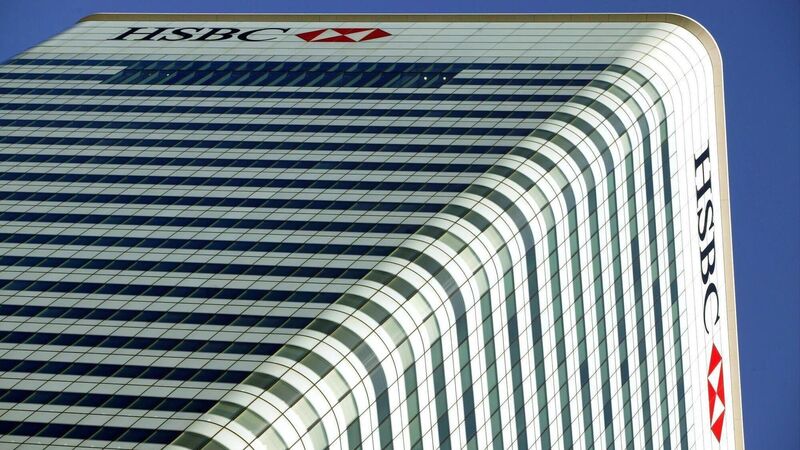
Europe's largest bank HSBC has revealed it is kicking off a round of jobs cuts worldwide as it seeks to slash costs by $1.5bn (€1.44bn) by the end of 2026.
Europe's largest bank HSBC has revealed it is kicking off a round of jobs cuts worldwide as it seeks to slash costs by $1.5bn (€1.44bn) by the end of 2026.
The group said it will look to reduce its global staff costs by 8%, with senior managers and those in its newly merged wholesale corporate and institutional arm set to be in the line of fire.
HSBC declined to give details of how many jobs will go, or provide a breakdown by country. Group chief executive Georges Elhedery said the group is "not tracking headcount reduction" and is instead focusing on lowering costs.
He stressed that the bank's 211,300-strong global workforce will not fall by as much as 8%, because many of the jobs going will be at a more senior level and therefore more highly paid. He added that the cuts will be "more borne by the head office in the UK".
The group will strip out roles that are duplicated as a result of its recent overhaul, which has seen it reorganise into eastern and western units and merge two of its three main divisions, stripping out a layer of senior bankers.
HSBC is also withdrawing from mergers and acquisitions banking activity in the Europe, the UK, and the US.
HSBC Holdings will incur $1.8bn (€1.73bn) in charges over the next two years as it embarks on its global restructuring programme. The bank, which has been deepening its push into Asia and some Middle East markets, said it hopes the restructuring will allow it to whittle away $3bn in expenses in the coming years. About half of that would then be reinvested into priority growth areas, according to its full-year earnings presentation on Wednesday.
“Since becoming CEO, I have focused on simplifying how we operate,” Mr Elhedery said in a statement in which he also detailed a $2 billion share buyback. “We are creating a simple, more agile, focused bank built on our core strengths.”
The bank unveiled a better-than-expected 6.6% rise in pre-tax profits to $32.3bn for 2024, up from $30.3bn in 2023. Reported profit before tax rose by $1.3bn to $2.3bn in the final quarter of 2024, compared with the same period a year ago.
Revenue throughout the year remained stable at $65.9bn while operating expenses rose by $1bn.
The lender’s shares, which have surged about 40% in the past year, swung between gains and losses in early London trading on Wednesday and were down 1% as of 8:22 a.m. local time. Analysts at Jefferies Financial Group Inc. said “some investors would have hoped for a better than $2 billion share buyback.” With Elhedery at the helm for roughly six months, HSBC has witnessed one of the biggest upheavals in more than a decade. He wound down some of the lender’s investment banking operations in Europe, the UK and Americas in a bid to focus on areas where it could “best serve” its corporate and institutional clients.
The broad moves have also seen a slew of top executives heading for the exit. The bank said Wednesday that its “severance and other up-front costs” will be spread through this year and next. The lender is focused on “opportunities where we have a clear competitive advantage,” the lender said.
Last month, HSBC announced it would no longer provide equity underwriting and advisory services outside of its core operations in Asia and the Middle East. Those selective investment banking businesses have annual costs of approximately $300m and are not “materially profitable,” according to HSBC presentation slides.
The company also noted its made progress on efforts to exit German private banking and French life insurance. “Costs taken from non-strategic activities will be invested in priority growth areas,” HSBC said in the presentation. The bank forecast that its full-year expenses are expected to rise about 3% in 2025.
The chief executive has also set in motion plans for further asset sales and business closures, including a strategic review of the bank’s Maltese operations, sale of its South Africa corporate banking unit, as well as the closing of HSBC’s Zing payments app. Last month, the bank said it would stop providing M&A and equity underwriting services in New York, London, and continental Europe.
In other parts of the business, HSBC also disclosed its exposure to Mainland China commercial real estate at $7.3 billion, which has been falling compared to the second quarter of last year. Investors have been concerned about its exposure to China’s property market, amid developer defaults and relatively sluggish economic growth over the past two years.
Additional reporting by Bloomberg
CONNECT WITH US TODAY



Be the first to know the latest news and updates