Employers taking steps ahead of pay transparency reporting rules
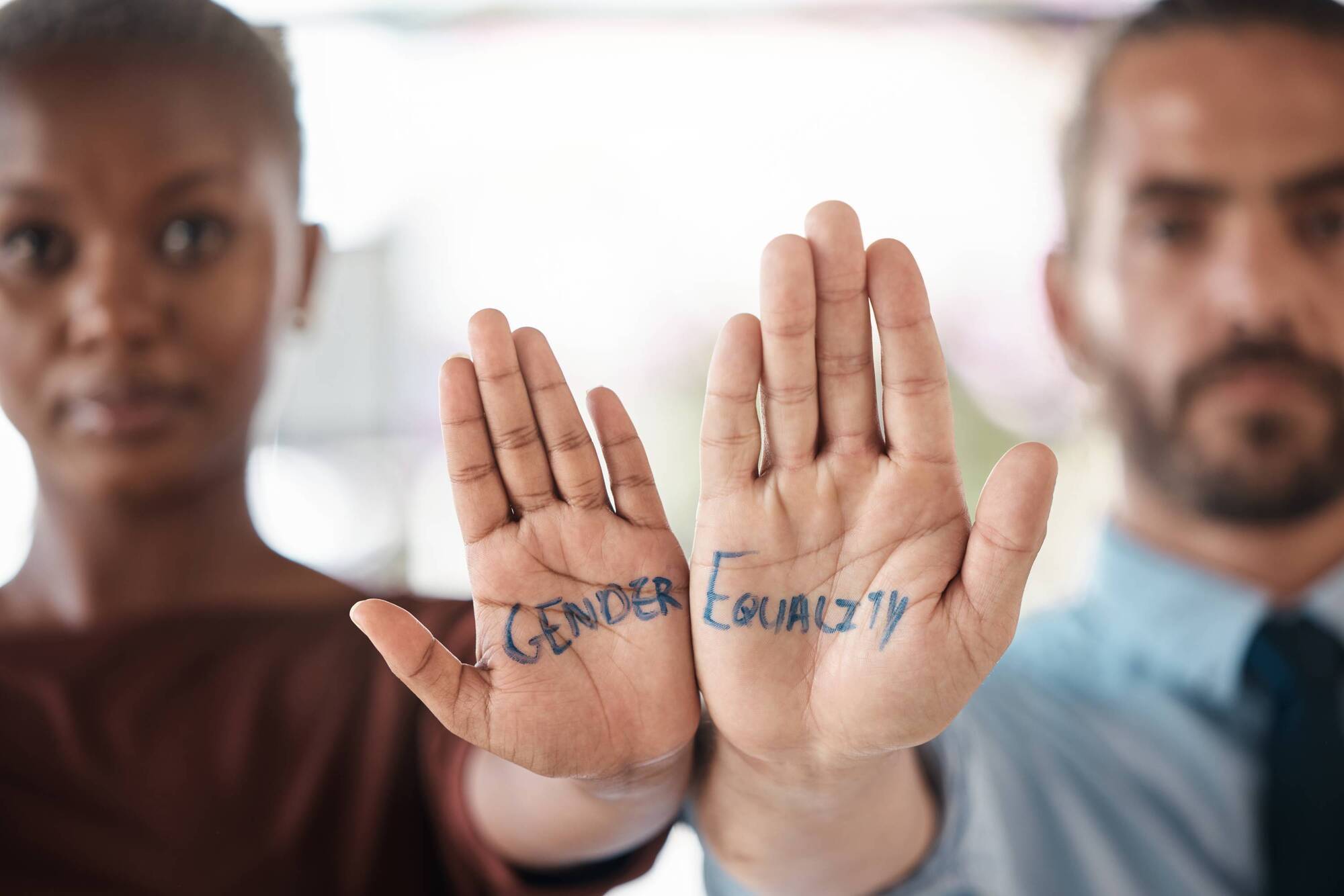
Pay transparency: Job advertisements and interviews will have to offer info on salary ranges, while interviewers will be prohibited from asking job applicants about their pay history.
Employers are racing to stay ahead of the legal requirement for openness on on gender-pay-gap reporting since the EU Pay Transparency Directive came into effect in June 2023.
While Ireland has three years to transpose the directive into domestic law, some companies are viewing the new reporting as an opportunity to promote their salary transparency as part of their attractiveness as a workplace.
In a recent Law Society report, lawyers at Eversheds Sutherland urged employers to assess the impact the directive will have on their pay and reporting practices. Employers will have to justify any gender-pay gaps of over 5%. They will be given six months to remedy any faults, and will have to conduct a joint pay assessment with worker representatives.
Job advertisements and interviews will have to offer info on salary ranges, while interviewers will be prohibited from asking job applicants about their pay history. Workers can demand details on their individual pay level and the average pay levels, broken down by sex, for categories of workers performing the same work as them or work of equal value.
Employers will no longer be able to prohibit employees from disclosing their pay, but any information obtained by employees can be used only to exercise their right to equal pay.
A recent EU-wide survey by the global advisory, broking and solutions company WTW has found that most European employers are accelerating plans to put more pay information into the hands of their employees.
Tamsin Sridhara, global pay equity leader with WTW, said: “A step-change in pay transparency is coming and it is to be welcomed. Being paid fairly is fundamentally important to employees.
“In our experience, greater transparency increases employees’ confidence in pay, despite employers’ concerns.
“However, employers must be prepared. They need to be confident that their rewards programmes are working as intended and they can explain clearly to employees where and how their pay may differ to others.”

WTW’s 2024 Pay Transparency Survey found several factors are leading European employers to increase transparency on pay for employees, with regulatory requirements being the most common driver (69%). Other commonly cited factors include: company values and culture (52%), and employee expectations (47%).
“The survey found that providing employees with more detail on their job level, how their base pay is determined, and what their variable pay opportunities are it is likely to become increasingly prevalent,” said Tamsin Sridhara.
“Seven in ten respondents say they are already communicating these or are considering doing so. It is also likely to become typical practice for employers to tell employees the pay range for their job and/ or indicate where they sit in the pay range, with at least six in ten respondents indicating they are already doing this or considering doing.”
The survey also found that 65% of EU respondents are ready to provide info on the pay rate or range for the job to all candidates, whether or not required by local regulations.
While progress in pay transparency is being made, employers still fear repercussions. Some 75% of employers expect employees and managers to ask more questions about compensation, along with more requests for pay negotiations and off-cycle pay changes for existing employees.
The survey reveals, that in reality, most questions come from employees and focus on how an individual’s pay aligns with the organisation’s pay programmes, which includes pay positioning (80%), pay management (62%), visibility (46%) and compensation programme terminology (43%).
It also seems likely that pay transparency will also lead to pay increases. Earlier this year, employer bodies asked the government to pause planned minimum wage increases among other calls to protect struggling small businesses.
Pay levels are already rising in any case. Employer body Ibec’s latest HR Workplace and Trends report shows that 84% of Irish firms plan to increase pay in 2025; 85% of employers increased basic pay by an average of 4.1% in 2024.
Ibec has described the pay transparency directive as a critical and welcome element in the drive to resolve the structural, cultural and policy causes behind gender pay gaps. Ibec said it is working with business, government and other stakeholders to develop and shape an effective and appropriate method of gender pay gap reporting.
In 2018, when pay transparency was becoming a hot topic, Ibec hosted talks with trade union Ictu over a possible joint approach to improving gender pay gap reporting in companies. Both organisations have broadly welcomed the new directive.
Dr Laura Bambrick, head of social policy and employment affairs with Ictu, commented: “Pay secrecy plays a huge role in pay inequality. Knowledge is power, and if you know how much other staff are paid, you’re in a better position to challenge unfair discrepancies and get the pay you deserve.
“Salary transparency is already the norm in Sweden and Finland. In these countries, you can find out what your colleague, neighbour, or spouse earns through publicly available income tax returns. I don’t think it’s any coincidence that these are the countries that perform best on income and gender pay equality.”
CONNECT WITH US TODAY



Be the first to know the latest news and updates