UK grocery price inflation at lowest in nearly three years
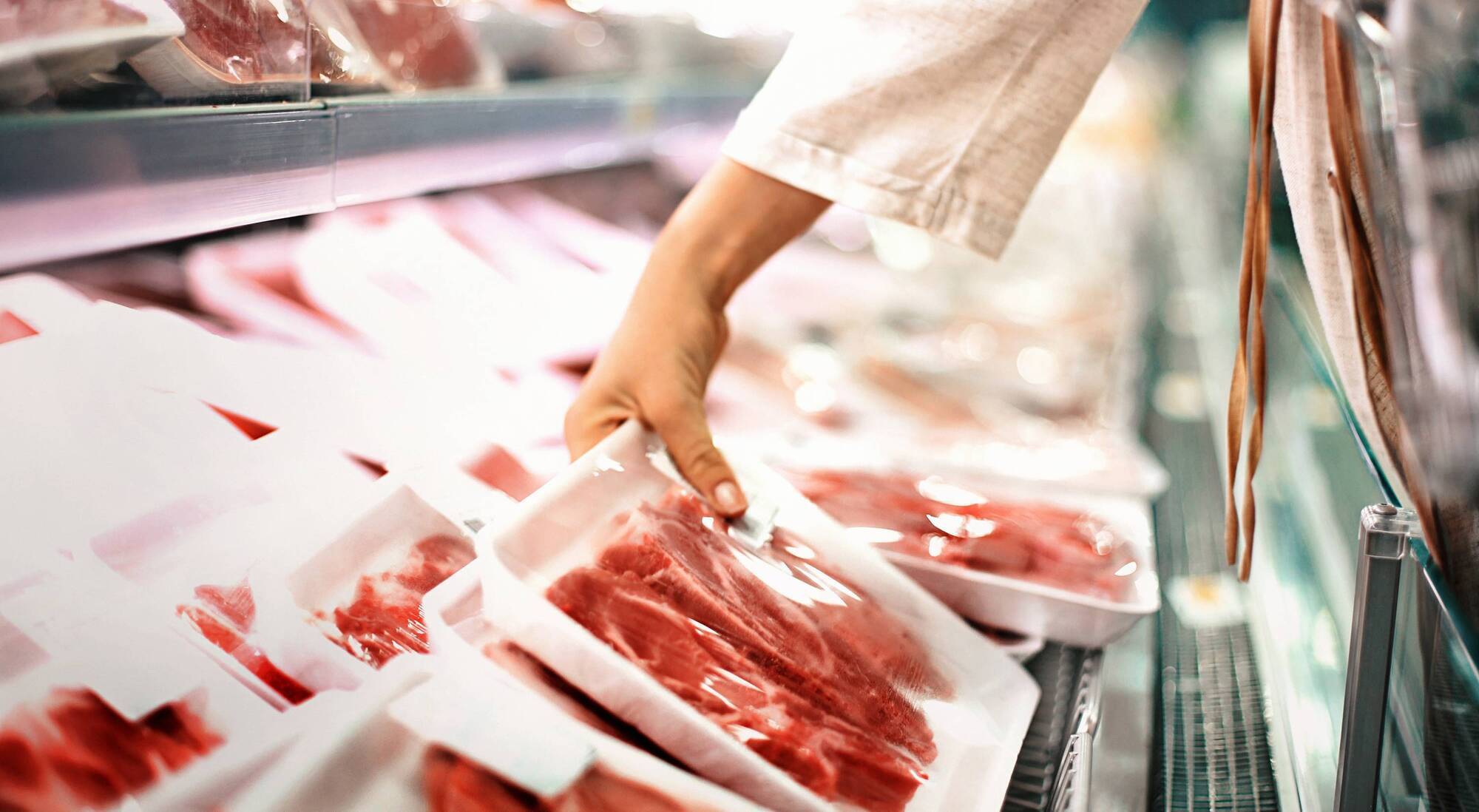
UK grocery price inflation stood at 1.6% this month.
UK grocery price inflation fell to its lowest level since September 2021 in a further sign of easing cost pressures, ahead of a crucial decision by the Bank of England (BoE) next month on whether to cut interest rates.
The annual pace of UK supermarket price increases dropped to 1.6% in the four weeks to July 7 from a year earlier, according to data published by research firm Kantar on Tuesday, down from 2.1% in the same survey last month.
The UK’s official rate of inflation will be updated on Wednesday with economists expecting the consumer prices index to remain around the BoE’s 2% target. The BoE will decide on August 1 whether to cut interest rates for the first time since the start of the pandemic.
Shoppers have pared back their spending since grocery price inflation hit 17% in March 2023, opting instead for value through deals and discounts. There are signs this is changing, however, with consumers making 2% more trips to the supermarket from a year ago — the largest monthly rise in 2024.
Tesco expanded its market share the most in more than two years, with sales rising 4.6% in the 12 weeks to July 7 from a year ago. Tesco now holds 27.7% of the market, above Sainsbury’s at 15.3%.
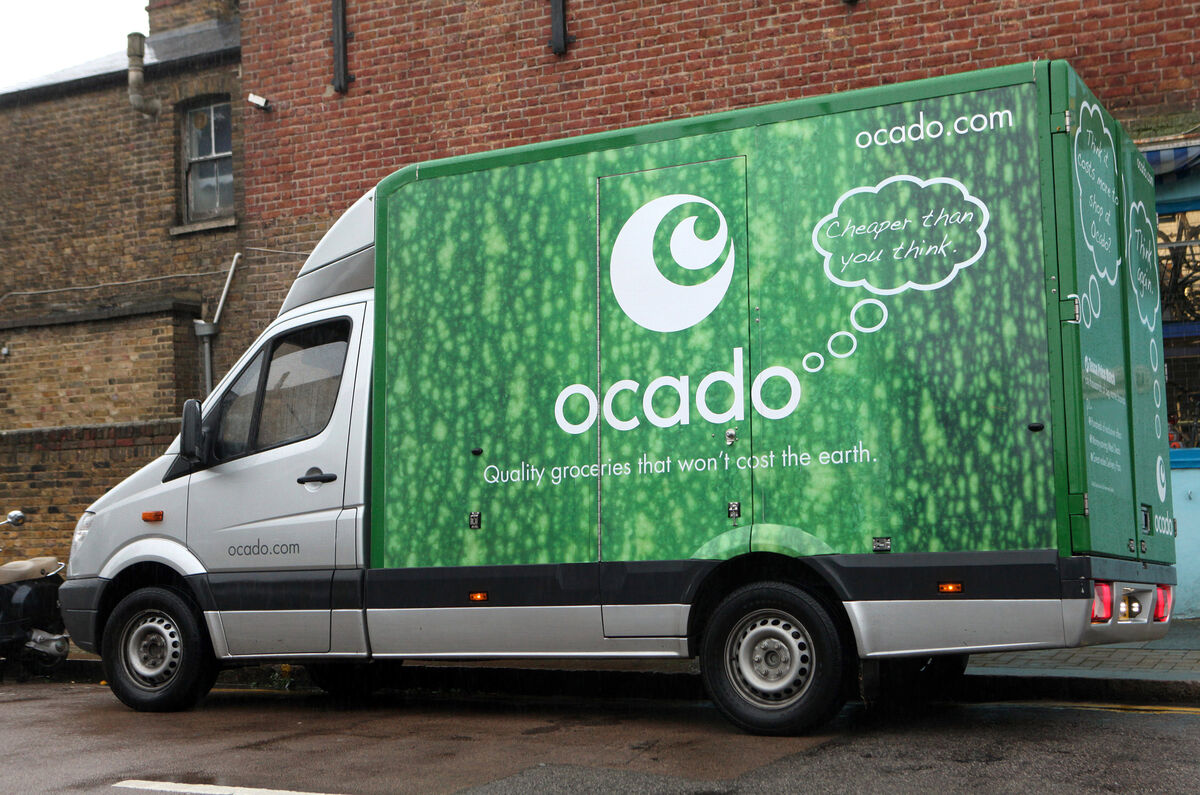
Ocado was the fastest-growing grocer for the fifth consecutive month, with sales rising nearly 11% over the 12 weeks to July 7.
Ocado, which was founded by three former Goldman Sachs bankers, sees its future as a maker of automated warehouses for supermarkets around the world.
On Tuesday, the company’s shares surged as it narrowed its losses and nearly halved its pretax loss for the first half of the year to £154m (€183m), a better result than analysts expected.
Ocado’s shares rose almost 20% in early London trading, having lost half their value so far this year.
It comes a day after Ocado shares tumbled when an analyst said the company needed to “seriously consider its options” given project delays and liquidity challenges.
But key customers including US grocer Kroger and Canada’s Sobeys have slowed their rollout of new warehouses, hindering Ocado’s ambitions.
Most of its revenue still comes from the online grocery venture it shares with M&S, which is withholding a final payment to Ocado related to the performance of the venture, called Ocado Retail. Ocado chief executive Tim Steiner declined to comment on negotiations, saying they were confidential.
Mr Steiner said customers were now shopping online again after the company suffered when they returned to stores following the pandemic.
Ocado said underlying cash flow this year would improve by £150m. It also expects underlying profit margins for its technology division, which licenses software to grocers worldwide, to be slightly higher than it previously guided.
CONNECT WITH US TODAY



Be the first to know the latest news and updates