Merck and Molson Coors unveil progressive parenting initiatives
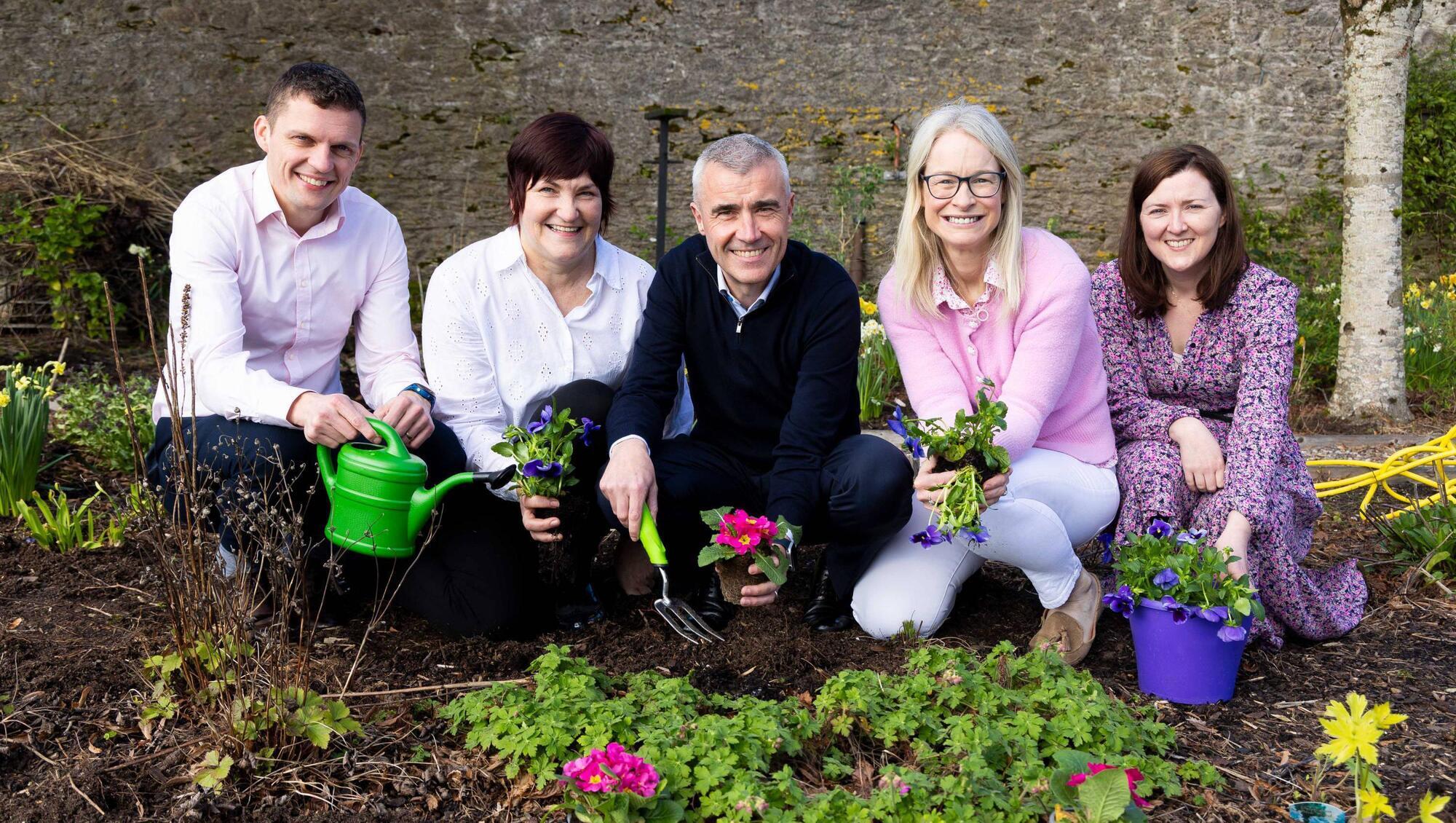
Merck fertility benefit programme: Eoin Weldon, head of communications; Sandra Galvin, biotools production manager; Mark Dunphy, site director and head of Cork operations; Nollaig Murphy, HR business partner, and Karen O'Connor, head of process and technology, at the launch of Merck’s employee Fertility Benefit Programme. Photo: Michael O'Sullivan
Parents have welcomed new employer initiatives that are recognising the work challenges they face in the periods surrounding fertility, pregnancy and birth.
In recent weeks, science and tech company Merck and drinks firm Molson Coors have introduced progressive new parent-focused programmes which go far beyond their legal obligations towards their employees.
Merck has introduced a fertility benefit programme in Ireland, while Molson Coors Beverage Company has announced a new equal parent leave policy. Both programmes are available to all employees, regardless of marital status, gender and sexual orientation.
Molson Coors Beverage Company has announced a new equal parent leave policy which will entitle all new parents to up to 52 weeks of leave regardless of gender or path to parenthood.
The brewer of beer brands including Coors, Carling and Madrí Excepcional, Molson Coors is offering all new parents up to 52 weeks of leave, 26 of which are fully paid, and a further 12 weeks fully paid for neonatal care, if needed. New parents will also qualify for up to 10 paid days, known as ‘keeping in touch days’, as well as paid antenatal appointments.
New parents who choose to take more than 26 weeks leave will qualify for a phased return to work for the first four weeks, working 80% of their hours while receiving 100% of their pay.
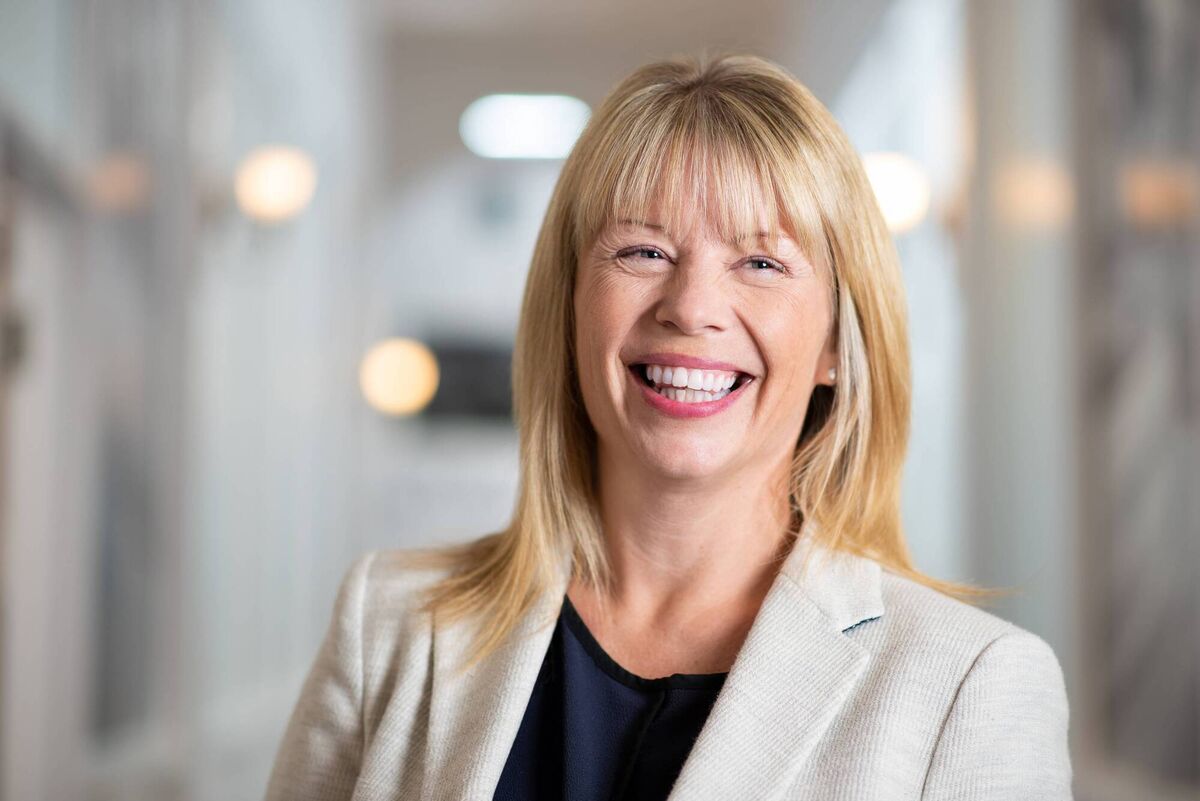
Laura Lee, managing director, Molson Coors Ireland, said: “As leading employer in Ireland, we’re always looking at ways to drive for more gender diversity at every level of our business, and to create a more inclusive and equitable work experience for everyone. Our new equal parent leave policy is a really important next step to achieving those ambitions.
“The policy recognises that parents should be able to choose how to care for their young children. One parent taking on the lion’s share of caring for children may be the right thing to do for many families, but we want it to be a choice — a positive choice that isn’t based on gender stereotypes or having to decide who is the primary or secondary carer.”
Molson Coors is one of the very few employers in Ireland to offer gender-neutral parent leave. It is particularly rare in manufacturing, which tends to have higher numbers of men.
“We want to make it easier for fathers to be able to take more time away from work as a new parent, because we know that by doing that, we are also helping to give mother’s more choice and families the opportunity to start that parenting journey on a more equal footing,” said Laura Lee.
Molson Coors Beverage Company employs more than 2,200 people across the UK and Ireland including at the Franciscan Well Brewery in Cork.
Tommy Elliott, a Mayo-based customer development executive at Molson Coors and father of two young children, said: “This new policy gives parents a choice to do what fits best for the family. From a work perspective, it takes the pressure off by having the flexibility to take the time you need to support your partner in those precious early weeks and months.
“It can be a big worry coming back to work after a couple of weeks and leaving your partner at home, so having the ability to take more of an equal role also helps from a mental health and wellbeing perspective.”
Last year, Molson Coors decided to scrap CVs for certain roles to encourage a more diverse range of applicants. In 2019, the brewer also launched ‘life leave’, giving employees an extra two weeks of annual leave that they can use for significant life moments like moving house or helping to settle a loved one into a new caring arrangement.
Meanwhile, Merck’s new Fertility Benefit Programme for Ireland was first introduced in nine markets in October of 2023, and plans were announced to offer it globally in 2024.
The programme’s current expansion signifies the next step in this journey for Merck. Now available in 20 markets globally, the precise details depend on local laws and regulations in each country. Merck employs more than 64,000 people in 66 countries.
The Fertility Benefit is available to eligible employees and their partners, regardless of marital status and sexual orientation. A breadth of services will be covered, such as fertility tests, in vitro fertilisation treatments, and hormonal treatments.
“The caring spirit of Merck truly comes to life when we support our employees through their most important personal moments," said Belén Garijo, executive chair and CEO, Merck. "The expansion of our Fertility Benefit Programme demonstrates this strong commitment to helping those colleagues who want to build a family. We are pioneers in the fertility space and we are thrilled to provide this opportunity to a growing number of Merck families.”
In line with Merck’s efforts to encourage well-being and create an environment where all feel they belong, the company also offers a robust suite of informational resources related to fertility, and has created a dedicated space for a peer support network.
Mark Dunphy, site director and head of Cork operations, Merck, Carrigtwohill, said: “Across the globe, one in six people will face infertility. As a long-standing leader in fertility, we, at Merck, understand the financial and emotional toll this journey can have on individuals and families.
“We are so pleased that the Fertility Benefit Programme has launched in Ireland, allowing us to support our people as they strive to realise their dream of parenthood.”
Merck has been making valued contributions to the fertility field for several decades. The company has grown to be the global market leader in therapies for fertility treatment. An estimated five million babies have been born with the help of Merck products. This represents around half of all babies born through medically assisted reproduction since the birth of the first baby conceived through in vitro fertilisation in 1978.

CONNECT WITH US TODAY



Be the first to know the latest news and updates