US delays approval of Eli Lilly Alzheimer's treatment
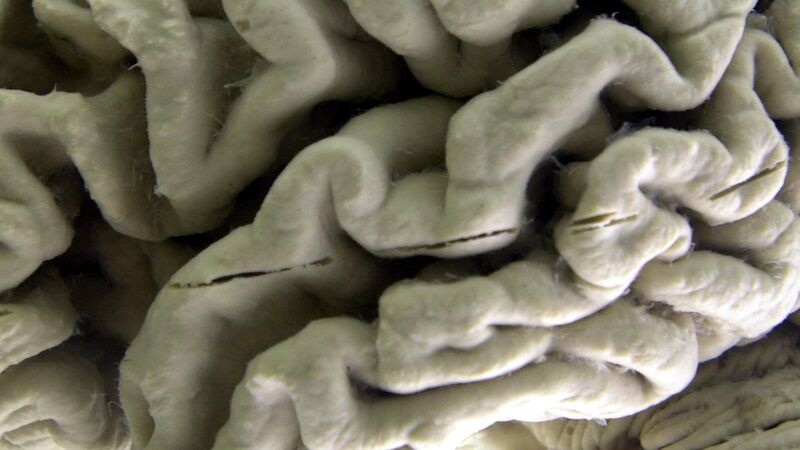
Donanemab, given by infusion once a month, is designed to clear from the brain a sticky protein called amyloid tied to Alzheimer's disease.
The US Food and Drug Administration has delayed its decision on Eli Lilly's experimental treatment for early Alzheimer's disease and will hold a meeting of outside experts to discuss its safety and efficacy, the company said.
This is the second regulatory delay for the drug, donanemab, after Lilly released clinical trial data last year that showed the treatment was safe and effective. Lilly said no date has been set yet for the advisory committee meeting to discuss the medicine, but it could be several months before it is held.
The FDA had conducted advisory committee meetings before approving other Alzheimer's drugs, such as Eisai and Biogen's Leqembi, which received standard authorisation last year and works in a similar manner.
Friday's move showed the agency was "doing its due diligence before the distribution of the drug to patients", said Howard Fillit, co-founder of the Alzheimer's Drug Discovery Foundation.
Lilly had first expected a decision by the end of last year, but in November said the FDA pushed that back until the first quarter of 2024 because the agency needed more time to review the approval application. The US drugmaker said there was no change to its 2024 financial forecast.
Donanemab, given by infusion once a month, is designed to clear from the brain a sticky protein called amyloid tied to the fatal, memory-robbing disease.
"This was definitely unexpected for us," Anne White, president of Lilly Neuroscience, said in an interview. She noted that the news came very late in the review process and said the company had been ready to launch the drug.
Ms White said the FDA wants the expert panel to discuss some of the unique aspects of the clinical trial used in its request for a traditional FDA approval, including issues around efficacy and safety.
In the trial, participants could stop treatment as soon as brain imaging showed that the drug had cleared the amyloid. The drug is associated with swelling and bleeding in the brain and three people on the treatment in the company's trial have died.
The FDA also wants to review the implications of assessing patients based on levels of another Alzheimer's-related protein called tau, which is closely linked with disease progression, Ms White said.


CONNECT WITH US TODAY



Be the first to know the latest news and updates