Unilever sets new climate goals despite pushback by stock market investors
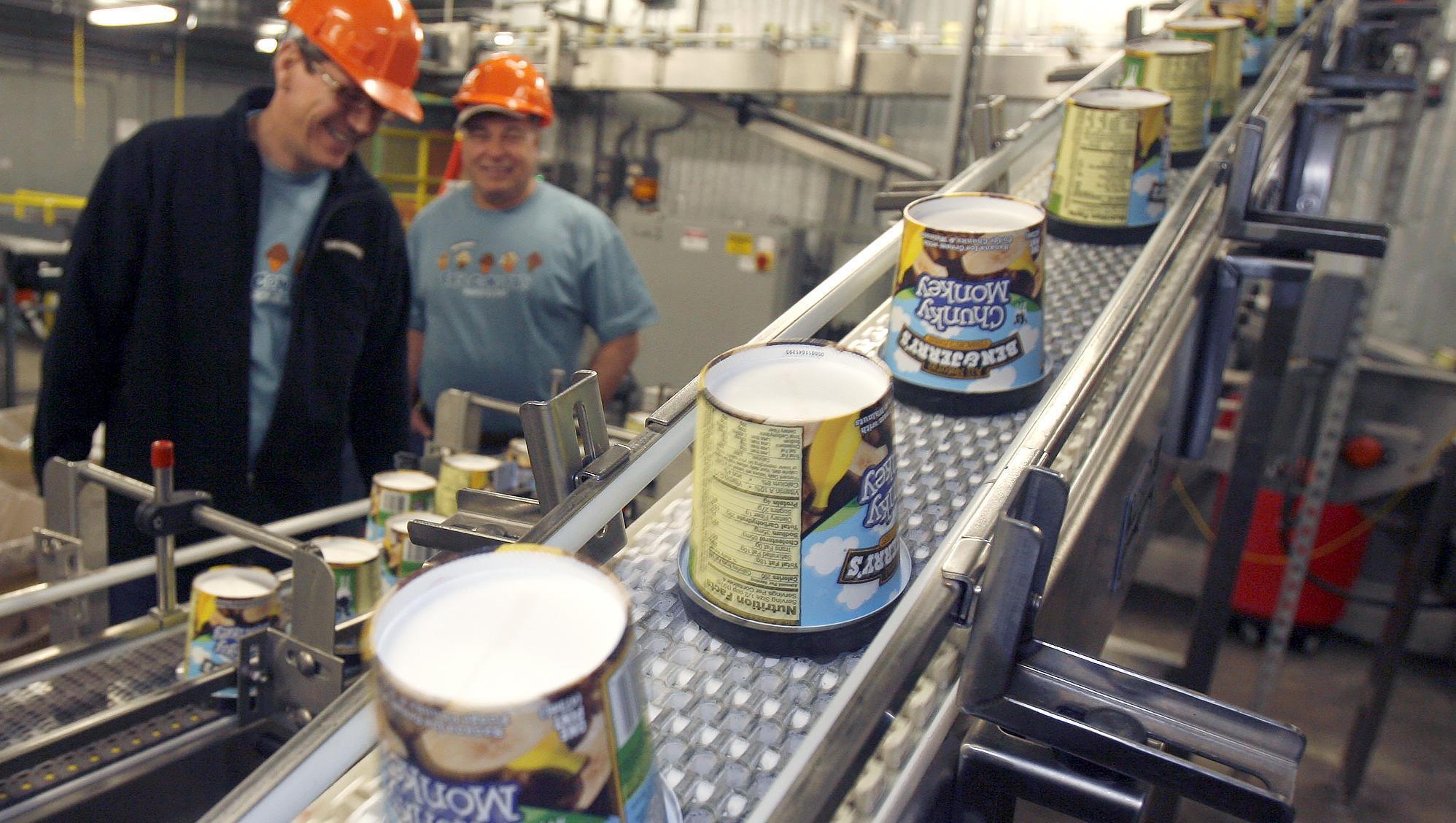
Most of Unilever's emissions come from the value chain. Picture: AP Photo/Toby Talbot
Grocery giant Unilever is announcing more ambitious emissions-cutting goals, targeting suppliers and even the shops that stock its brands, despite concerns from investors that non-financial objectives have become a distraction for the company.
In its latest climate plan, the maker of Ben & Jerry’s ice cream and Lynx deodorant said it’s aiming to cut greenhouse gas emissions associated with the retailing and consumption of its goods by the end of the decade.
For example, Unilever wants emissions from indirect sources, including ice cream refrigerators in shops and the recycling of the products it sells, to decline 42% from 2021 levels. It also seeks emissions from forest, land and agriculture — which includes growing commodities such as palm oil — to drop by 30% in the same period.
The new approach comes at a challenging time for Unilever. The company has been riddled with financial underperformance and falling market share, which some investors have blamed on its fixation on sustainability.
At the same time, Republican-led backlash in the US against environmental, social, and governance investing threatens to make companies more timid in setting their climate priorities. Executives are under increasing pressure to reassure investors that environmental programs won’t be detrimental to the bottom line.
Thomas Lingard, the global head of sustainability-environment at Unilever, said that the company’s climate plans were built into its financial-growth model.
“We have to work really hard to make sure that what we’re doing on sustainability is also in support of the overall business growth strategy and consistent with that,” he said. “Now some of this stuff saves money, some of this stuff requires some investment, but net-net it’s consistent with the overall financial objectives.”
Customers want greener products, Mr Lingard said, and climate impacts have started to hurt the company’s supply chain. Chocolate prices, for example, have doubled this year because of the increased frequency of droughts and floods.
Chief executive Hein Schumacher, who took on the role last year, has emphasised operational performance and is streamlining the company’s ESG goals around four pillars: climate, nature, plastics, and livelihoods. Mr Schumacher also has said that not all of Unilever’s brands need a “purpose.” Over the years, Unilever has successfully tackled its direct emissions by switching its sites to renewable energy, for example. But most of its emissions come from the value chain which has proved a much greater challenge.
Notably, Unilever has said since 2021 that it wouldn’t use carbon offsets to meet its near-term reduction targets. It also has promised to go net zero across its value chain by 2039, which is sooner than many national targets that are set for 2050.

CLIMATE & SUSTAINABILITY HUB
CONNECT WITH US TODAY



Be the first to know the latest news and updates