Employers race to comply with new rules for non-EU worker permits
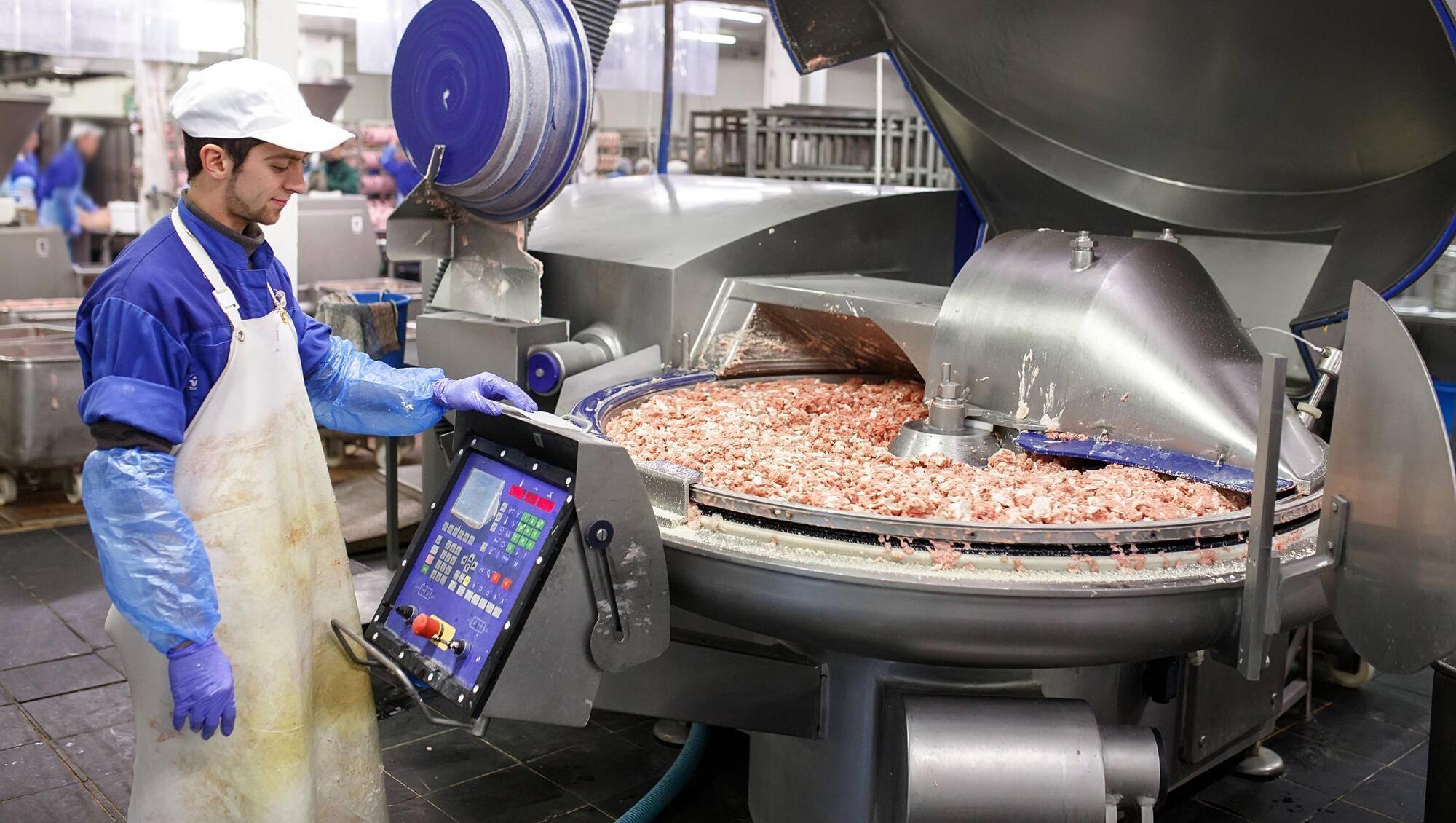
Under new immigrant work permit rules, a range of minimum salaries have risen by €4-7k — leaving some employers playing catch-up
Employers race to comply with new rules for non-EU worker permits

Under Ireland's new General Employment Permit (GEP) and related work permit changes, employers will have easier access to non-EU skilled workers including meat processors, foresters, data analysts, healthcare workers, meteorologists, chemical engineers, project engineers and optometrists.

Non-EU people moving to Ireland for work have seen their income increase by at least €4,000 annually — many from €30k up to €34k —  under the newly introduced General Employment Permit (GEP).

Having pushed for the work permits system to deliver faster access to an agreed set of skills to fill key vacancies, employers welcome the expansion of the system. For example, the changes have added 11 roles to the Critical Skills Occupations List, with 32 roles being made eligible for a General Employment Permit.

Occupations added to the critical skills list included: professional forester; resource modelling, earth observation and data analyst; meteorologist; operational forecaster; chemical engineer; project engineer; BIM manager; optometrist (ophthalmic optician); commercial manager; BIM coordinator/technician; and estimator.

Also of note, the agriculture sector was among those seeking faster access to overseas workers. This is reflected in the extension of existing quotas for 350 dairy farm assistants, 350 butcher/deboners, 1,000 meat processors and 1,000 horticultural workers.

Since January 17, employers are also being asked to comply with a new roadmap for increasing salary thresholds. The salaries of general permit holders will rise from €30,000 to €34,000.

The base salaries of healthcare assistants and home carers have risen from €27,000 to €34,000, and horticultural workers' and meat processors' salary requirements will increase from €22,000 to €30,000. In January 2025, the minimum salaries will rise to €32k, €34k and €39k across the range of roles.

Since January 17, under the new GEP rules, people contracted for services and intra-company transfers (trainees) have seen their minimum salaries rise from €40,000 to €46,000; these will rise to either €39k or €53k in January 2025.

Critical skills with a degree are rising from the current thresholds of €32k to €38k, rising to €44k in 20025. Salaries for people with critical skills without a degree, currently on €64,000 per annum, will remain as they are.

Neale Richmond TD, Minister of State for Business, Employment and Retail, said: “I am delighted the largest ever expansion of our employment permits system has made 43 additional occupations eligible for employment permits. From engineers, mechanics and electricians to meteorologists, butchers and bakers, these changes cross many sectors and will be of huge benefit to Irish businesses and society.

“As a result of effective full employment, demand on the employment permits system is very high. Last year, 40,000 permits were issued, and demand remains high this year with over 31,000 permits issued to workers outside of the EEA who are coming to Ireland to address the real skills shortages that are impacting businesses across the country.” 

In a commentary on the new GEP rules, Declan Groarke, a senior associate with law firm Lewis Silkin, predicts that we may see further quotas granted for general employment permits for certain occupations in 2024 as skills gaps emerge.

He also notes that further changes may be needed with regard to family reunification rights. These rules remain too restrictive as work permit holders must be resident in Ireland for 12 months before they can then apply for the right to have their families follow them to Ireland.

Employers welcome the changes, but some SMEs and small companies may face difficulties adjusting to the changes to the salary requirements.

Declan Groarke, senior associate in the Employment, Immigration and Reward division with law firm Lewis Silkin.

Declan Groarke wrote: “The incremental increases in salary thresholds may dampen some of the optimism among employers experiencing labour shortages. The new salary requirements and the ones proposed to be introduced in January 2025 and January 2026 may be above the market rates for many occupations that are eligible for employment permits.

“Therefore, some employers may struggle to pay the higher employment costs. And so, despite having access to the employment permit system, they may be reluctant or prohibited from using it.” 


Mr Groarke also notes that the current process for the renewal of permits may need transitional arrangements to reflect the new salary requirements to ensure workers are eligible. He also notes that the unexpected arrival of the new rules will force many employers to quickly review and revise their projected costing plans for the year ahead.

Ángel Bello-Cortés, managing partner with Fragomen Ireland.

The likely impacts for employers were also raised by Ángel Bello-Cortés, managing partner with Fragomen Ireland, a specialist immigration employment consultancy based in Dublin.

Mr Cortés said: “It is important to acknowledge that the government continues to recognise that there is an increasing number of roles which cannot be filled solely with EEA candidates, and they have shown that by expanding the lists of occupations eligible for employment permits.

“The increases in salary are welcome and overdue in light of the increased cost of living. Given the short notice, however, many smaller businesses with limited financial growth, resources and lack of specialist advisors may struggle to adjust and retain even existing staff.

“The UK recently also announced salary threshold changes but has given employers until April. The much shorter timeframe of only a month’s notice in Ireland assumes that all industries have planning in place or can adjust seamlessly which is not the case.

“These and other recent immigration changes are an indication that immigration policy might be moving in a new faster and less consultative format in Ireland, in certain respects, and SMEs and employers generally will have to adjust to this.”

x

More in this section

The Business Hub

Newsletter

News and analysis on business, money and jobs from Munster and beyond by our expert team of business writers.

Cookie Policy Privacy Policy Brand Safety FAQ Help Contact Us Terms and Conditions

© Examiner Echo Group Limited