Number of new electric cars licensed up 45% last year
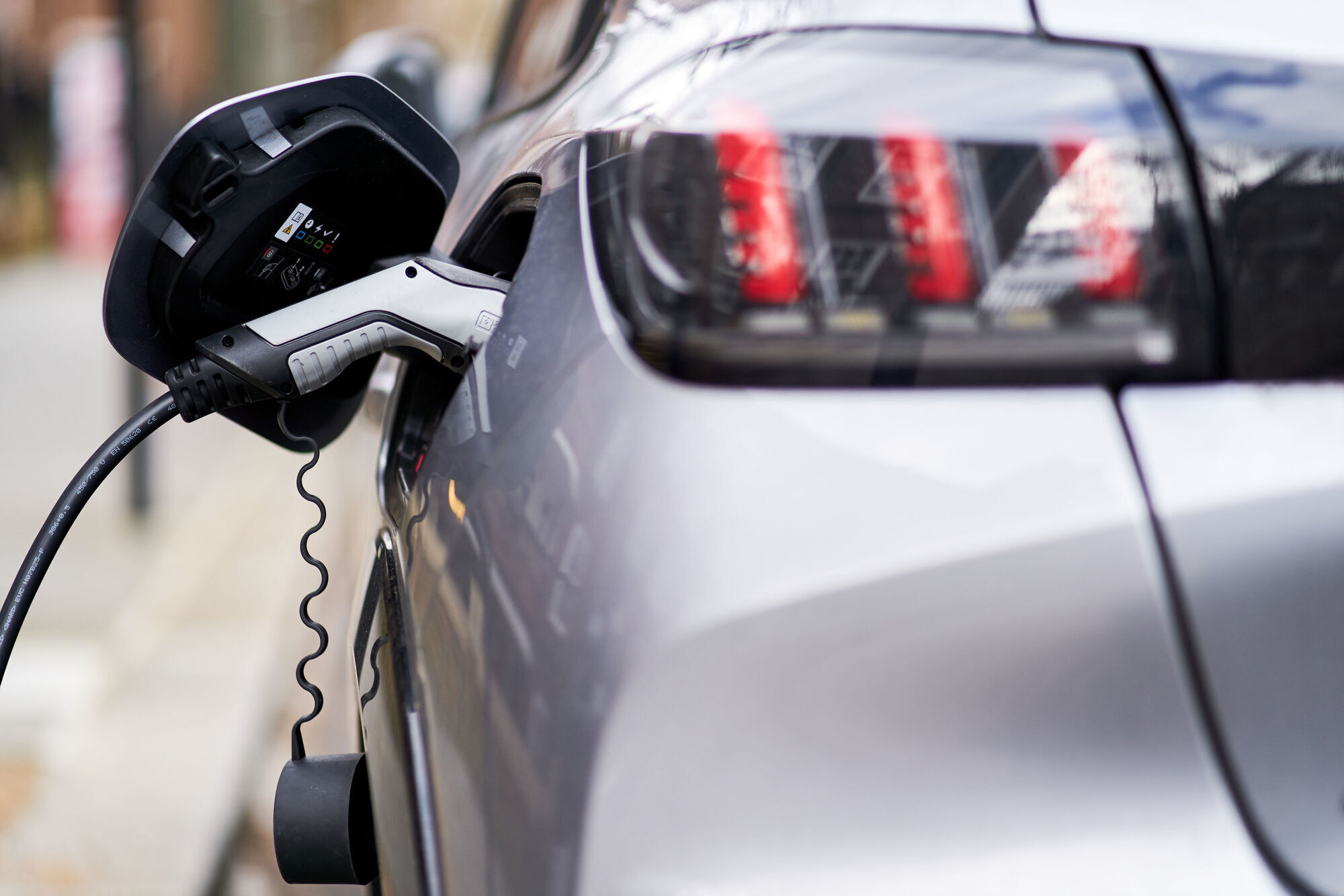
Volkswagen's ID.4 was the best selling electric car in Ireland last year with 2,887 sold, followed by the Tesla Model Y at 2,119.
The number of new electric cars licensed in Ireland grew by 45% in 2023 to 15,462 accounting for nearly one-in-five of all new cars licensed, new data from the Central Statistics Office (CSO) shows.
Throughout 2023, the number of new private cars licensed rose by 16,075 to 117,424, compared to 2022. Of these, 19% were electric up from 15% the previous year.
In addition to the increase in electric cars, the proportion of new cars licensed which had diesel engines also declined from 27% in 2022 to 22% in 2023. However, the number of new petrol cars licensed in 2023 rose by 27% from 30,627 to 38,746.
In terms of used cars, there were 50,381 licensed in 2023 compared with 46,567 in 2022, an increase of 8%.
Overall, the most popular model of new private car licensed in 2023 was the Hyundai Tucson followed by the Toyota Corolla, Toyota Yaris, Kia Sportage, and Volkswagen ID.4.
CLIMATE & SUSTAINABILITY HUB
Toyota was the most popular car manufacturer in Ireland last year with 15,840 new private cars registered. The company was followed by Volkswagen with 13,359 new private cars licensed, Hyundai with 11,022, Skoda with 9,453, and Kia with 8,490.
Of the new electric cars licensed in 2023, the top make and model was Volkswagen ID.4 with 2,887 sold, followed by the Tesla Model Y with 2,119 sold, the Hyundai Ioniq with 1,227, and Tesla Model 3 with 1,203.
This data comes as Tesla slashes the price of its Model Y cars in Germany a week after the US carmaker reduced the cost of its Model 3 and Model Y in China.
In Germany, the price of the company’s Model Y Long Range and Model Y Performance was reduced by €5,000 to €49,990 and €55,990 respectively. This represents a discount of 9% and 8.1% compared to the previous prices.
It also cut the price of Model Y rear-wheel drive models by €1,900 to €42,990, according to data on its website.
Germany's electrical vehicle subsidy programme, which was originally intended to apply until the end of 2024, ended prematurely last month. The move is expected to hit German carmakers hard who are already struggling against US and Chinese competitors when it comes to prices.
Last week, Tesla announced that it would suspend most of its car production at its factory near Berlin from January 19 to February 11. The company blamed the suspension on the lack of components due to changes in transport routes because of attacks on vessels in the Red Sea.