Ozempic drug maker reports success with diabetes drug
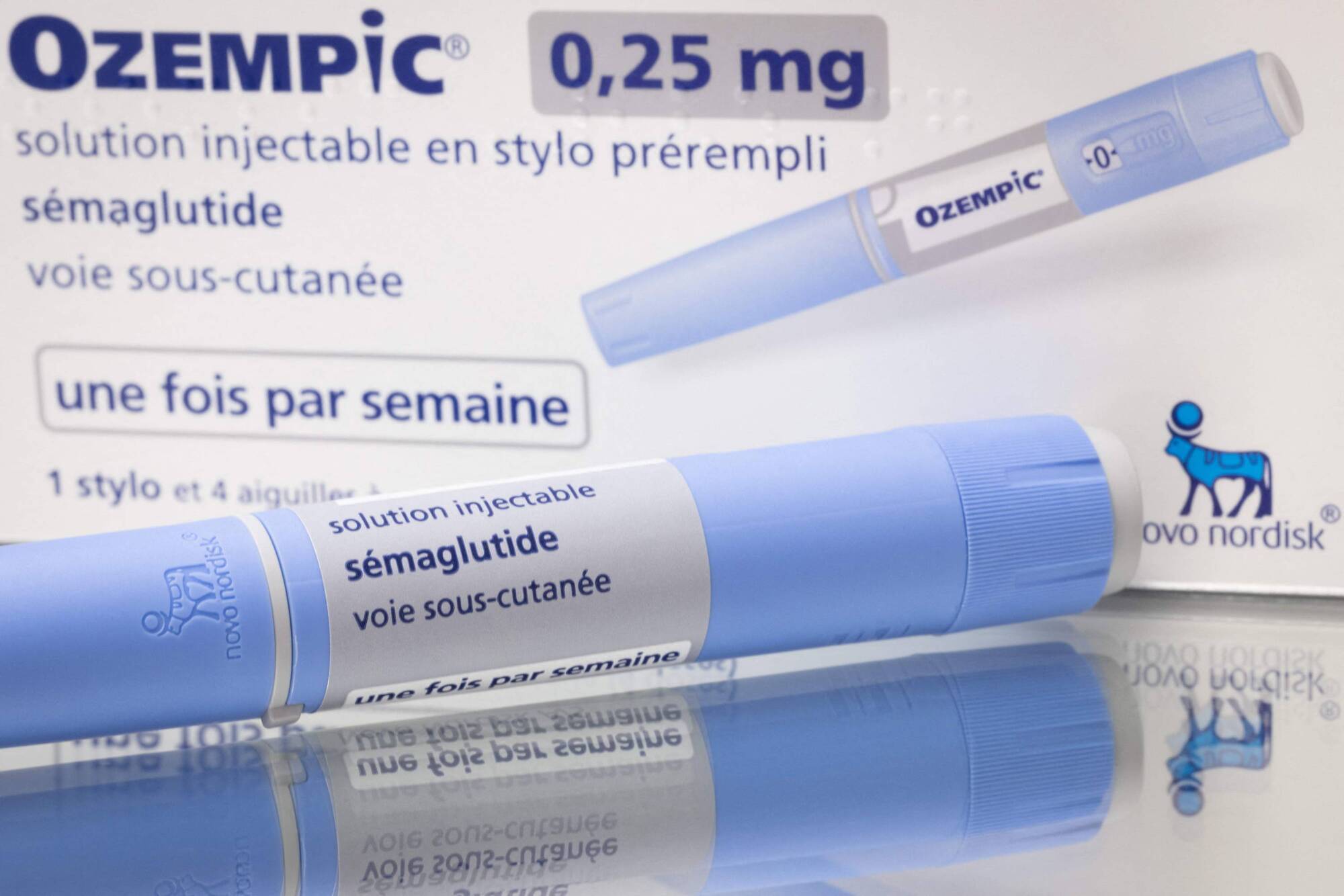
Stopping the Ozempic trial early points to a “somewhat faster effect than we had previously contemplated”.
Novo Nordisk said its diabetes drug Ozempic showed surprisingly early effectiveness in a kidney-failure study, sending shares of the world’s biggest dialysis providers tumbling.
An independent data monitoring committee recommended halting the study after finding that an interim analysis had already met pre-set criteria for efficacy, Novo said. The Danish drug maker will get full results of the study once the process of closing it is complete, expected by the first half of 2024.
German dialysis provider Fresenius Medical Care's shares plunged as much as 24% in Frankfurt trade, the most on record, erasing over €2.5bn in market value. Baxter International and DaVita fell 7% and 15% at one stage in US trade.
The impact of Ozempic and a sister drug for obesity, Wegovy, looks likely to stretch into fields far beyond obesity and diabetes. Another large study recently showed that Wegovy cut the risk of heart attacks and strokes. And giant US retailer WalMart said last week it’s seeing an impact on shopping demand from people taking the drugs.
Stopping the trial early points to a “somewhat faster effect than we had previously contemplated,” Citigroup analyst Veronika Dubajova wrote in a research note. Kidney disease is one of the areas where drugs like Ozempic could help reduce the number of patients over time, she said.
Novo’s surprise results are the latest in a string of blows to Fresenius Medical, the largest dialysis provider in the €34bn US market, as it tries to orchestrate a turnaround after its costs soared and dialysis patients died during the pandemic. Investors were already worried about the impact of the so-called GLP-1 drugs on its business prior to the kidney study, according to Citi.
Fresenius Medical shares are down by about one third since Novo announced its positive heart disease study in August.
The company is also in the midst of leadership churn. It’s changed its chief executive officer twice in the past year and its shareholders recently approved a plan to change the company’s legal form to gain more autonomy from long-time parent entity Fresenius SE.
While Fresenius is giving up its control of Fresenius Medical because of that legal change, it retains a powerful voice as the largest shareholder. Fresenius chief executive Michael Sen has said he has no intention of selling the 32% stake as he believes in the growth potential of the kidney-dialysis company.


CONNECT WITH US TODAY



Be the first to know the latest news and updates