Penneys sees surge in warm clothing as shoppers seek to control heating costs
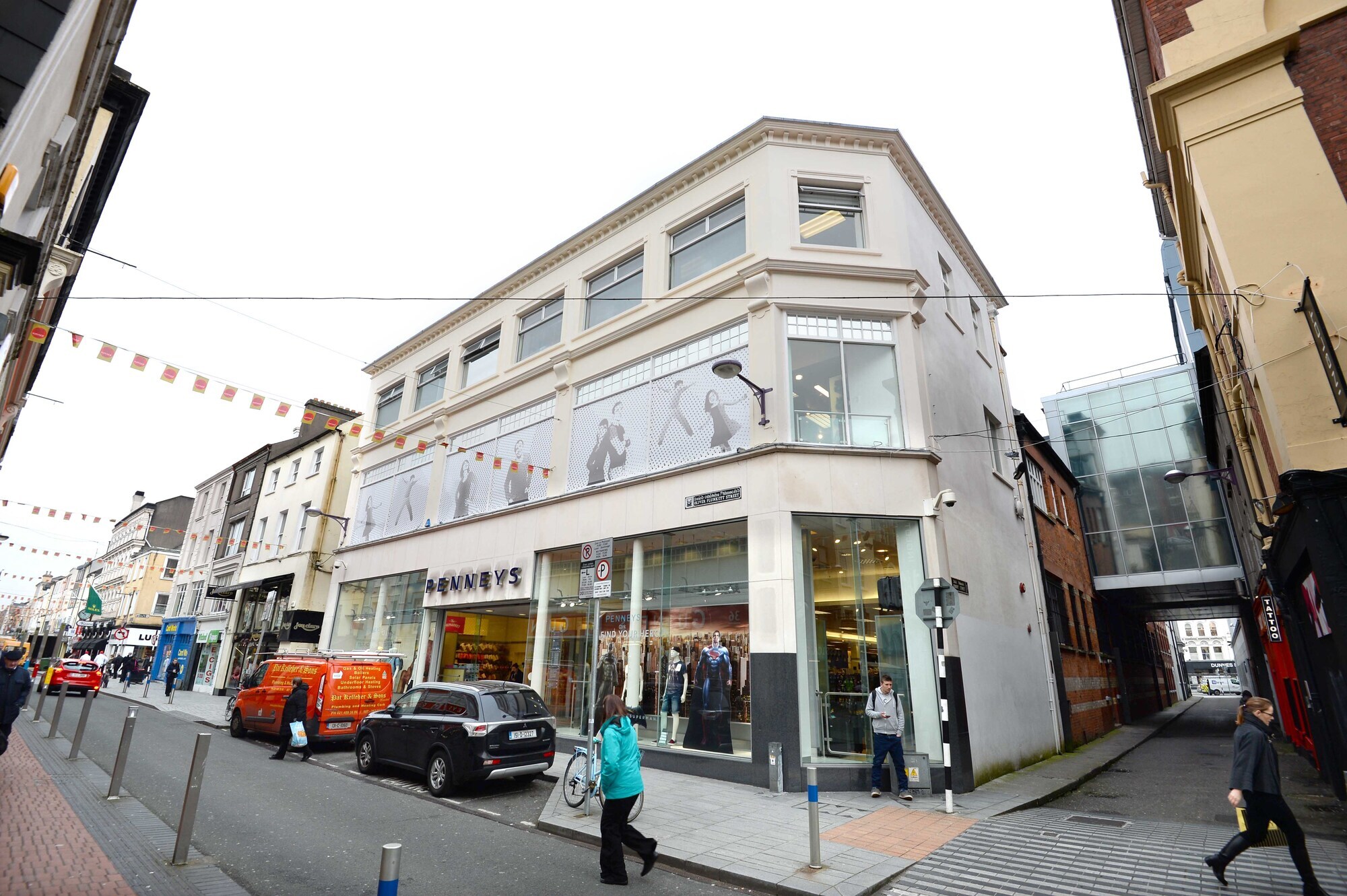
The sale of velvet plush leggings went up 160% while the sale of thermal clothing went up 55%. Picture: Denis Scannell
Penneys has reported a surge in the sale of warmer clothing during the start of the year as people look to control heating costs, new research shows.
According to the first edition of Penneys Pulse of the Nation Index, conducted by Amárach Research, four in 10 people have seen their quality of life decrease over the last few months as their finances come under increasing pressure due to rising costs.
Of 1,200 Irish adults surveyed, 69% said their spending on essential living expenses has increased with 57% saying they’ve cut their non-essential spending as a result.
The research also found that 95% of people have engaged in money-saving hacks including 81% saying they are wearing warmer clothing to reduce heating costs while 79% said they were doing less clothes shopping, and 71% said they were cutting back on takeaways.
As part of this research, Penneys provided sales data to Amárach Research which showed that the sale of “snoodies”, during the period of December to February, went up 96% compared to the same period last year.
The sale of velvet plush leggings went up 160% while the sale of thermal clothing went up 55%.
In addition, sales of holiday clothing soared with the sale of beach footwear such as sandals going up 119%, beach accessories up 72%, swimwear up 69%, and sunglasses up 42%. Luggage sales are also up 146%.
Despite the rising cost of living, 36% of people said they are planning on going on holiday over the next three months.
Damien O’Neill, head of Penneys Ireland and Northern Ireland, said the research was commissioned to help the company understand what is affecting their customers.
“We have been able to take this analysis and look at what is has done to our business and to help us for the future.” Penneys increased prices late last year but Mr O’Neill said they would hold off on deciding to increase prices any further until the autumn or winter to see “how the margin and how the business was affected”.
Mr O’Neill said that recent reductions in cost of freight shipping and cotton “is starting to support what we have done and why we haven’t done it again” but he added that there are other costs the company is having to deal with like any other business.
“Every business is being affected by cost of shipping goods, whether that is from our source or our suppliers to even the distribution to the stores. The cost of electricity to run the stores, while it has marginally got somewhat better, we’re facing a similar situation to households.
“As a business, we have always said we will offer the best value on the high street. We just need to understand as the market keeps moving, where we sit,” he said.
The research between February 9 and February 13.

BLACK FRIDAY
Already a subscriber? Sign in

CONNECT WITH US TODAY



Be the first to know the latest news and updates