Companies investing heavily as nurturing talent is top priority
Companies with strong US-Irish operations have taken a range of strategic approaches to talent development, targeting different skill areas, some partnering with third-level colleges and other external experts, along with in-house programmes.
Talent development is a major priority for companies based in Ireland, with many seeing their investments in this area as a critical driver for growth.
While Irish-based employers are not alone in seeing the strategic importance of investing in their people, the companies here with strong global operations are keenly aware of the benefits of staying ahead of key areas of skills development.
The companies with strong US-Irish operations in this article have taken different strategic approaches to talent development, targeting different skills areas and with a range of partnerships with third level colleges and other external experts, along with in-house programmes.
Many of the companies featured here are members of the American Chamber of Commerce in Ireland. AmCham’s view is that these investments are beneficial both for the individual companies and for the global reputation of Ireland’s highly skilled workforce.
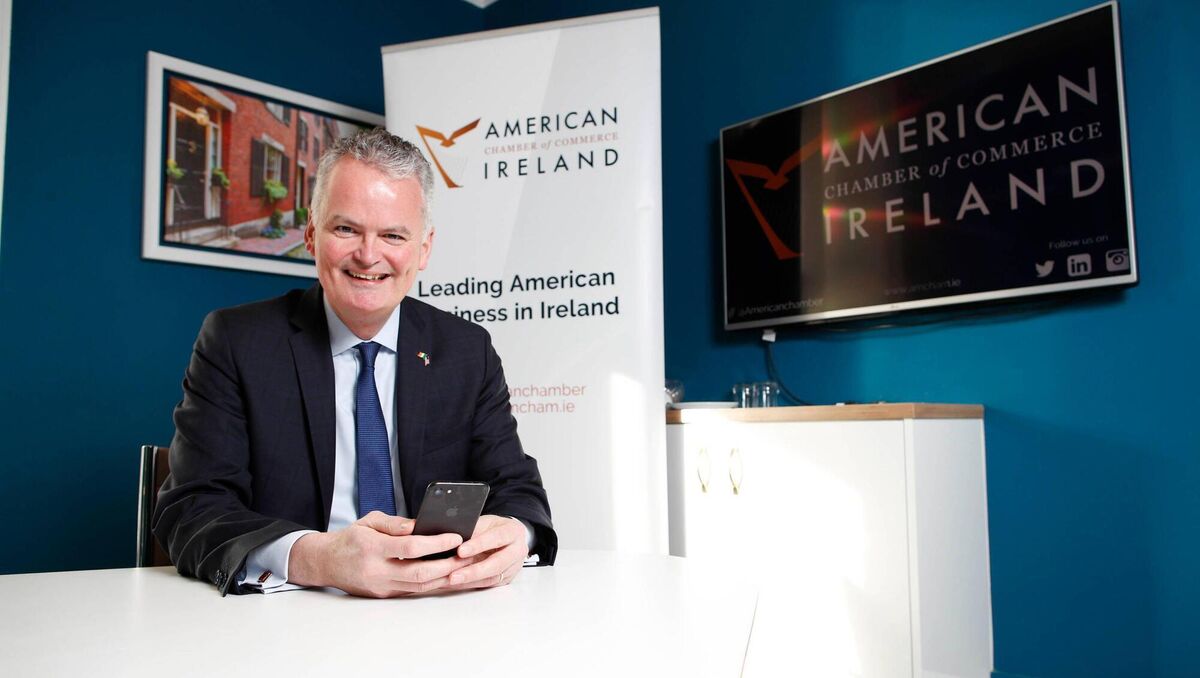
Mark Redmond, AmCham CEO, said: “Ireland has one of the most highly educated workforces globally. In 2021, 63% of 25-34 year olds in Ireland had attained a third level education, according to the Central Statistics Office (CSO). This is significantly higher than the EU average of 41%.
“However, employment levels hit a record high last year, with 2.55 million people employed across the country and with a global battle for talent, AmCham members have consistently identified talent attraction and skills shortages as among the greatest challenges for Ireland to overcome to maintain its attractiveness as a location for inward investment.”
Mr Redmond added that many AmCham member companies are leaders in offering apprenticeships, programmes to support re-entry to the workforce, upskilling programmes and partnerships with universities.
These programmes provide an opportunity for our current workforce and those entering the workforce to enhance their skills base and realise their potential through an alternative educational pathway. For companies, it means that they can identify areas where they are identifying a skills gap and put in place specific programmes to help address that gap.
Mr Redmond added: “The evolving apprenticeship avenues can also provide Ireland with a competitive advantage in attracting talent and investment. However, AmCham believes that ensuring Ireland can meet future skills requirements will require continued engagement between government, industry and academic for the on-going mapping of skills needs within industry and to bolster the focus on STEM topics and digital skills throughout both education and in the workplace.”

Analog Devices Inc (ADI), the global semiconductor company with over 1,300 employees spread across Limerick, Cork and Dublin, has earned a reputation for investment in education, long-term retention of graduates and nurturing top talent (many of whom have gone to other parts of the business in the US and around the world).
The company’s long-standing partnerships, research projects and investments with UCC, Tyndall Institute Cork, University of Limerick and TUS have notably enabled a long-term pipeline of innovation and talent.
ADI also sources talent through apprenticeship programs like the IBEC Manufacturing Technician Apprenticeship run by TUS and the Electrical Instrumentation Apprenticeship offered via Generation Apprenticeship.
In 2022, ADI launched ‘Reignite’ — its own unique Return to Work Program. Reignite is for those who have taken a career break or want to transition their industry experience into new areas of engineering within a world-class company. The program is for anyone with prior engineering experience or a science, maths or engineering qualification.
The flexible learning programme designed with family-friendly and term-friendly hours, to suit parents, has been developed in conjunction with a number of educational and professional bodies. Participants receive a mix of formal training, on-the-job learning, mentoring and professional career coaching to build skills and confidence. Mentorship and 360 degree support is provided throughout and is seen as a crucial component of the program.
Fiona Keogh, Learning & Development Manager, Analog Devices International, said: “Returning to work after an extended career break or even changing your career path can be daunting. Reignite makes it easier to re-enter the workforce and provides transition assistance through a two-year flexible program. We recognize that every person is unique and brings a unique set of skills, experience and perspectives. That diversity of thought and experience enriches us as an organisation and we’re delighted to see the uptake of our programme so far.”
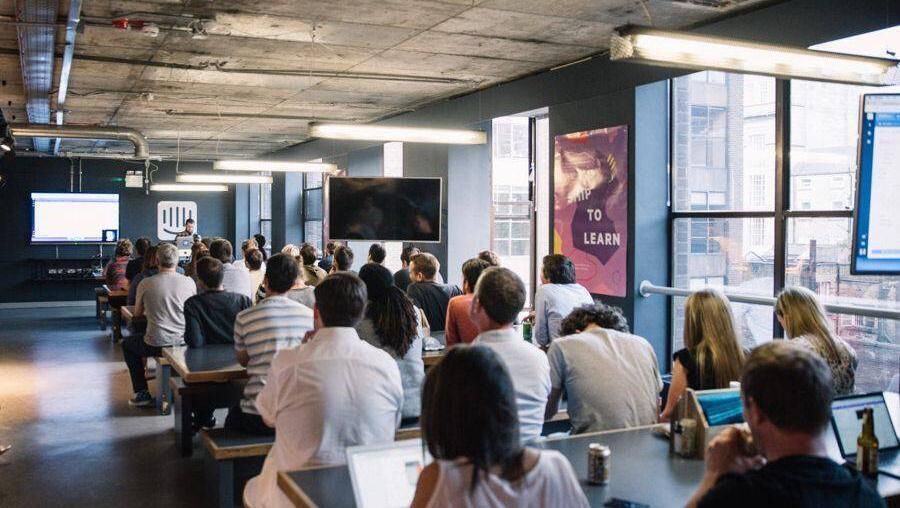
Intercom is delighted to partner with UL on the Immersive Software Engineering (ISE) degree.
This ISE degree has a refreshing and transformative program, influenced by innovative tech companies and the best global CS programs, for ambitious people wanting to build a career in technology.
Part of the approach is to marry the theoretical, great classroom and project learning, with the practical, through the emphasis on work placements with partner companies throughout the four years of the course.
Darragh Curran, chief technical officer with Intercom, said: “Students are equipped not just with individual knowledge and skill but also experience working as part of a professional team, applying what they’ve learned to real-life situations, compounding their learning, and leaving them literally years ahead in terms of experience and on a higher trajectory versus a typical graduate when they fully enter the jobs market.
“Software engineering will play a crucial role in the future of business, society, and even our planet. We anticipate a highly talented pool of graduates emerging from this program, and as part of our partnership have sponsored a scholarship to better enable access to this wonderful course to people who may not otherwise be able to.
“We’ve seen time and time again the long-term benefits that come from investing in and supporting ambitious, capable people through the early stage of their career, and this is us stepping a little further back to help influence better outcomes across our industry.”
"Education matters — almost everyone agrees on this," says Eileen O'Mara, head of global sales with payments software company Stripe.
"The benefits for individual people — like better health outcomes and increased earnings potential — are clear, and these add up to create happier, healthier, and more prosperous societies," Eileen adds.
"In short, education is a powerful force for progress — and that’s the core reason it is so important to Stripe. We want to help drive economic, scientific and technological progress everywhere we operate, and especially in Ireland, the home of our dual HQ.
"Learning happens in a myriad of ways, in and beyond the classroom. That’s why Stripe backs initiatives that encourage students to take the theory they’ve learned in school and develop their own ideas.
"For example, the BT Young Scientist and Technology Exhibition, which provides extracurricular learning opportunities for our brightest young minds, as well as organisations like iWish and Patch that help teenagers take their ideas a step further and create business plans."
Eileen says that education is also crucial to ensure we meet the demands of our future economy. Take software developers, who help us unlock the potential of the internet and solve challenges like climate change, she adds.
"The world is expected to need four million more developers by 2025, and naturally, we want to make sure we have the best in the world in Ireland. This was front of mind for our founders Patrick and John Collison when they worked with the University of Limerick to redefine how we educate computer scientists."
Students on the new Immersive Software Engineering (ISE) course at Stripe spend half their time working on research projects in small professor-led teams, and half working at tech firms on paid residencies. They will graduate with a Masters and two years of industry experience — a significant advantage over other computer science graduates.
"Over time, the course should encourage more students to choose software careers, boost the supply of homegrown talent, and equip graduates to start their own companies in Ireland," she adds.
"It’s no surprise then that ISE attracted record levels of support from across the tech industry, with backers including Intercom, Zalando, Analog Devices and AWS. Education is an investment which pays dividends right across the ecosystem."
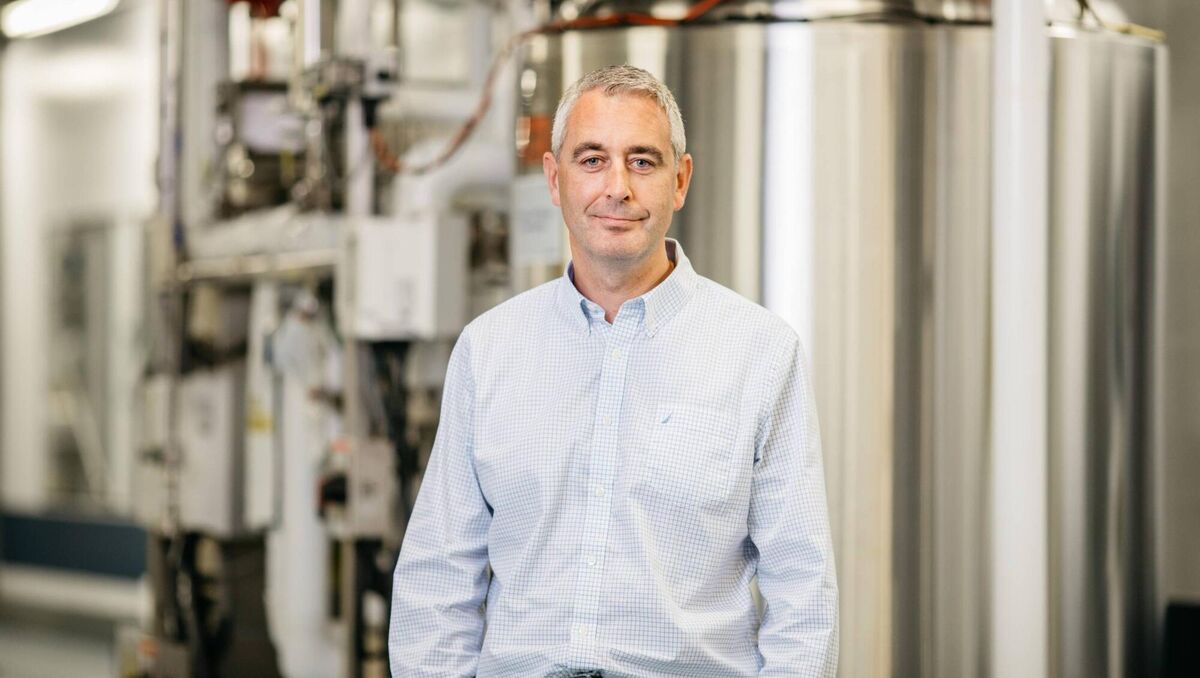
Biotechnology company Regeneron, with sites in Limerick and Dublin, has invested hugely in ongoing education and training, which it views as being of great value to both staff and the company, as well as to the applicants for intern and apprenticeship opportunities.
More than 85% of Regeneron’s staff in Ireland are third-level qualified, so it’s not surprising it invites graduates and students to apply for a range of paid and accredited internships, co-ops and apprenticeship programmes, constantly devoting time to engaging with new talent.
Even more impressive are its specialist advanced programmes. The PharmD Biologics Program (PBP) is an intensive, rotational, interdisciplinary program for graduating PharmD candidates.
Regeneron’s subject matter experts deliver the training, giving candidates a head start in careers in clinical sciences, safety sciences, development operations and program management, and/or regulatory affairs.
Regeneron hosts a Postdoctoral programme integrating cutting-edge science with didactic training, discussion groups, and focused, multi-tiered mentoring.
The company’s BuiLD programme offers rigorous, tailored, cross-functional rotation training led by business leaders and designed to cultivate your skills while meeting Regeneron’s business needs.
Ivor Downey, HR executive director with Regeneron, said: “Our people are really engaged with playing a role in developing life-changing medicines. Naturally, our employees want to keep up to date with the latest trends.
“People come to us with third level programmes they’d like to attend, as well as attending our internal programmes. Every staff member has an individual development plan (IDP), with a 70/20/10 model: 70% on-the-job training, 20% coaching and 10% classroom.”
Regeneron has a huge presence in Ireland, with its steady growth consistently serving up a range of career progression and management opportunities across its operations. It actively promotes its courses as being primed to help people grow into management roles.
“We do everything we can to promote our culture of continuous improvement,” said Ivor Downey. “Nobody stays static. As the organisation continues to grow, the need for new skill sets will grow accordingly.
“Since Covid, of course, our training has moved to a hybrid model. While we continue to train people in classrooms, we now also have people sharing virtual classrooms in the East Coast of USA and all across Ireland and elsewhere.”
Regeneron also actively promotes science careers to women, hosting Women in Industry, Science and Engineering at Regeneron (WISER) events and campaigns, led by female speakers encouraging young women into careers in the sector.
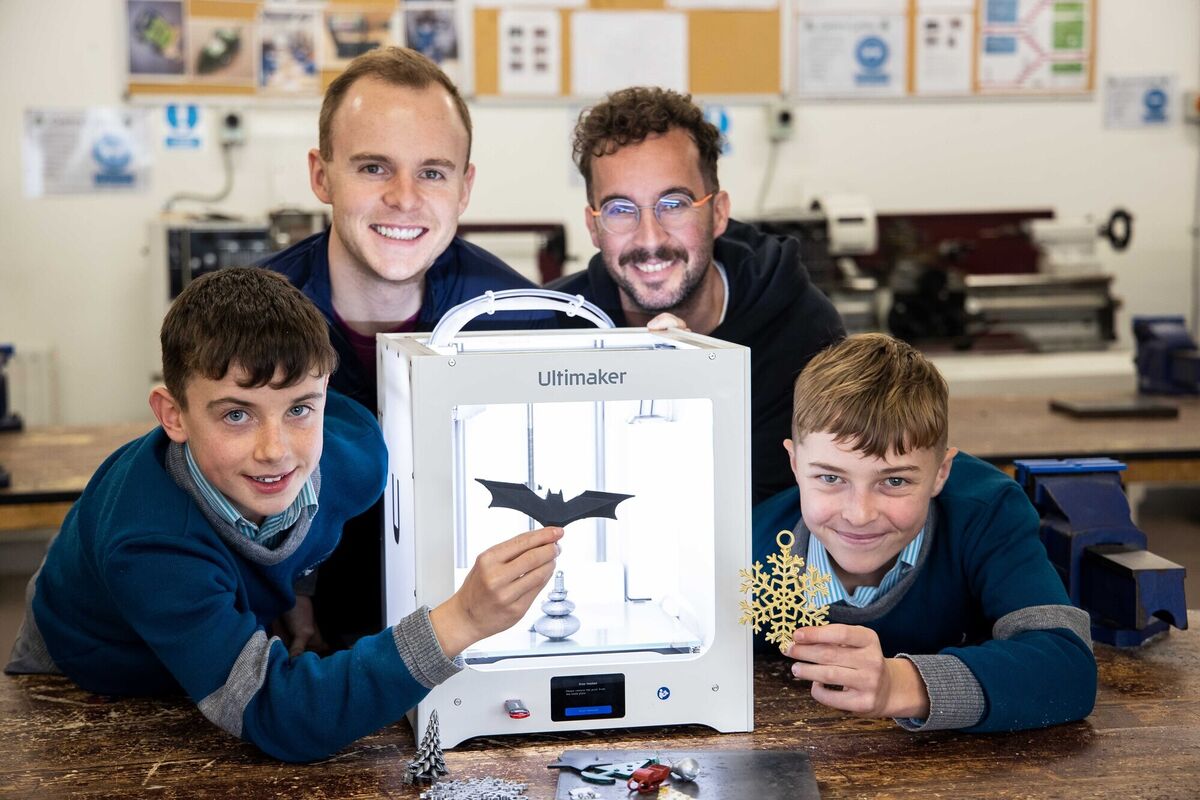
Stryker, a world-leader in medical technology, employs almost 4,000 people across eight Irish sites, including the largest 3D MedTech facility in the world, where the company recently invested millions of Euro and created capacity for 600 new jobs.
Since the first Irish operations opened 25 years ago, the company has placed a strong emphasis on attracting and developing talent. Stryker believes in investing in, building, nurturing and developing people within their teams. The company boasts highly developed intern/coop programmes, which hire 100 students each year across disciplines as diverse as Engineering (Biomedical, mechanical, electrical, software), Material Science, Finance, HR, IT and Procurement. Many of these interns continue their journey with Stryker after graduation.
The Stryker Apprenticeship Programme was launched in 2017 with the support of Higher Education Authority, SOLAS (Ireland’s Further Education and Training Authority) and the Irish Medtech Association. The programme was developed in partnership with Munster Technological University and TUS Midwest (formerly Limerick IT).
It runs across five Stryker sites in the Republic of Ireland — Springhill, Anngrove, Limerick, Model Farm Road-NV, and Tullagreen. The programme was originally designed to facilitate six apprenticeship positions per year. However, in 2021 that increased to nine. In 2022, Stryker won the American Chamber of Commerce Ireland award for Innovation in Talent Development for its Engineering Apprenticeship Programme.
This was the most recent in a number of other accreditations and accolades for the programme. In 2021, Stryker was recognised by the Irish Medtech Association for the Best Company Implementation of an Apprenticeship Model.
The apprenticeship programme is tied to the Stryker roadmap, meaning the programme is designed and tailored for each function within the organisation to ensure it supports the business’ needs. Over the three years of the programme, the apprentices add real and measurable value to the teams they work with, as well as gaining hands-on, practical experience coupled with classroom learning and Stryker-specific development events.
It is also an opportunity for apprentices to identify future career opportunities and for Stryker to develop future team members. Stryker’s apprenticeship programme represents a best practice approach and continues to adapt and evolve to ensure it provides the best opportunities and experiences for the apprentices.

Operating in Ireland since 1935, Johnson & Johnson is one of Ireland’s leading employers with a workforce of just under 4,500 highly skilled and motivated people across ten locations, spanning five counties.
The company places a premium on career development through continuous education, and is committed to attracting, retaining, and developing the best and brightest minds.
In Ireland, Johnson & Johnson has a number of established apprenticeships, returnships and scholarship programmes that offer people the opportunity to gain skills, knowledge and experience in a range of disciplines, throughout all stages of their careers.
The Johnson & Johnson Re-Ignite programme is for experienced professionals that are ready to return to work after a career break of two years or longer. Johnson & Johnson recognises that returning to the workforce presents some unique challenges and Re-Ignite is specifically designed to help participants overcome them.
It is a paid ‘returnship’ initiative for those who have previously worked in STEM2D fields. Participants in the programme receive comprehensive industry-specific training and work on projects to empower them achieve their goals.
The programme is highly personalised — all participants are assigned “buddies,” or Re-Ignite alums who have been through similar experiences, graduated from the programme and completed their own back-to-work journeys, from the outset. On top of that, all participants get their own dedicated mentors, too.
Crucially, the programme allows participants to develop an invaluable support network of people who understand and appreciate non-traditional career journeys, contributing to a smooth transition back to the workplace.
Johnson & Johnson has a range of apprenticeship programmes in place across its Irish operations, designed to give participants a well-rounded introduction to the industry, as well as providing practical training and hands-on experience. The Johnson & Johnson Vision site in Limerick currently run five apprenticeship programmes and in 2022 recruited 46 apprentices.
- Manufacturing Engineer (Level 6).
- Calibration & Instrumentation (Level 6).
- Original Equipment Manufacturing (Level 6).
- Polymer – Engineering (Level 7).
- Polymer - Toolroom (Level 7).
Along with this, there are also employees at the Vision site upskilling through apprenticeships, completing the following with University of Limerick:
- Supply Chain Associate (Level 7).
- Supply Chain Manager (Level 9).
- Principal Engineer (Level 10).
At the DePuy Ireland site in Ringaskiddy, the Apprentice Programme plays a vital role in keeping staff skilled to allow continued learning and knowledge transfer, focusing on talent development in both emerging and existing technologies.
The ‘earn and learn’ model facilitates the growth and development of a technical community in a wide variety of skills across the business, enabling the company to build and mature core engineering capabilities. DePuy Ireland runs two apprenticeship programmes, a Level 6 Electrician and a Level 7 Manufacturing Engineering.
These are spread across skills such as 3D Printing, Robotics, Automation, Metrology, Investment Casting and Material science.
The Johnson & Johnson WiSTEM2D (Women in Science, Technology, Engineering, Mathematics, Manufacturing and Design) Programme fuels the development of the female talent pipeline by awarding and sponsoring girls and women at critical points in their educational experience and their careers, in STEM disciplines.
The J&J WiSTEM2D University Awards programme was first introduced in Ireland in 2016 and is now running in partnership with University of Limerick, University of Galway, University College Cork, Munster Technological University and Trinity College Dublin. The programme has been instrumental in supporting over 400 female students through a scholarship programme, leadership training, mentoring, internships, site tours and CV/recruitment workshops.
Johnson & Johnson’s commitment to developing a talent pipeline for the future is intrinsically linked to its goal to solve the world’s most complex health problems, creating a healthier and more equitable society.
The company is determined that its workforce reflects the diversity of the communities in which it operates, knowing that bringing diverse backgrounds, cultures, experiences, and perspectives together is the best way to achieve its mission.
CONNECT WITH US TODAY



Be the first to know the latest news and updates