Pandora shares climb 10% as jewellery sales rise      
Meanwhile, Michael Kors owner, Capri, cut its annual profit forecast and provided a dour outlook for 2024
Pandora, which aims to triple its sales in China compared to 2019 levels, postponed a branch relaunch there last year.

Pandora, which aims to triple its sales in China compared to 2019 levels, postponed a branch relaunch there last year.

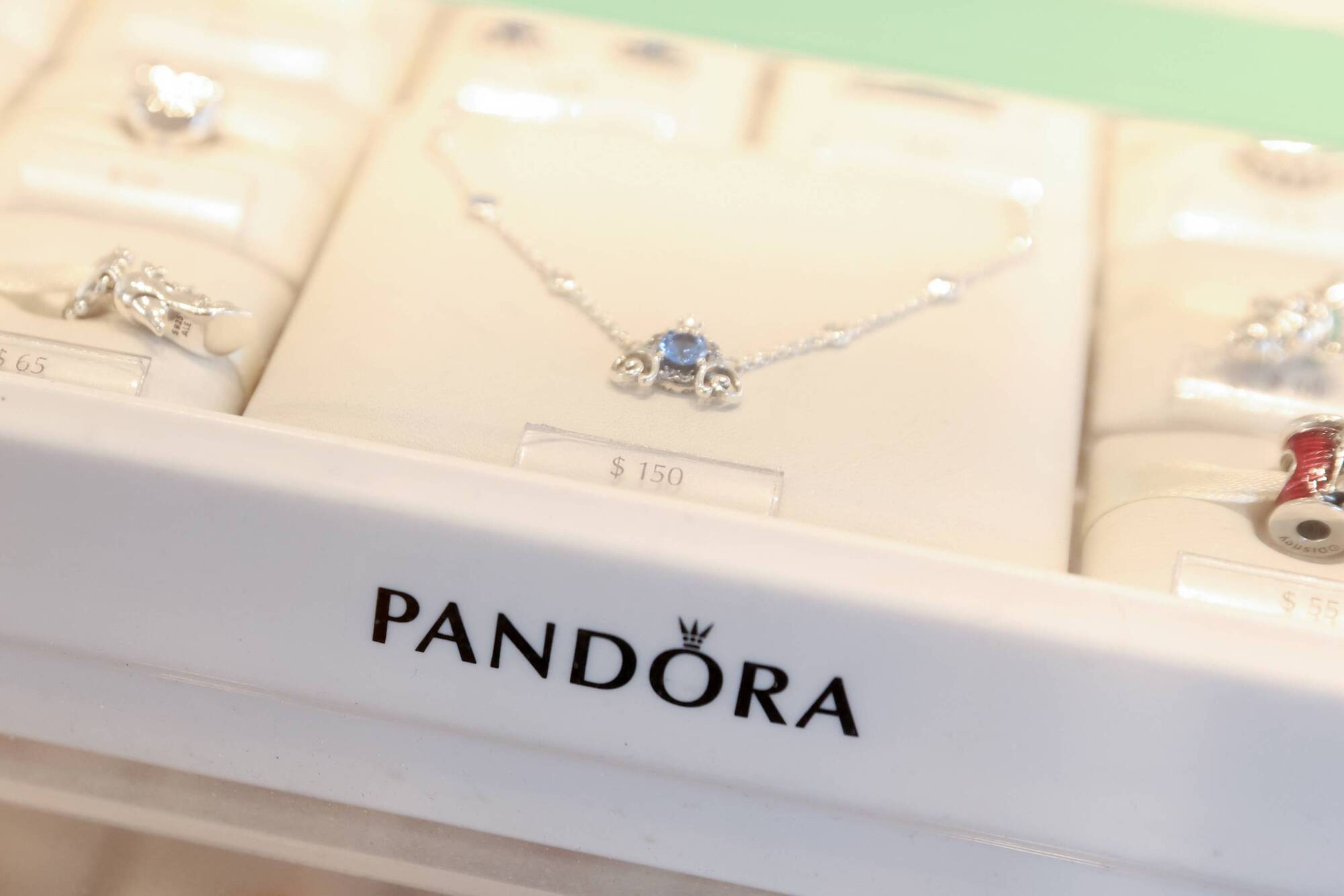
Danish jewellery maker and retailer Pandora reported better-than-expected fourth-quarter results and record annual sales, sending its shares up more than 10%, although it predicted uncertainty around sales in 2023.

"We ended 2022 on a high note. Despite the macroeconomic pressure on consumers and Covid-19 headwinds in China, we continue to deliver solid growth vs pre-pandemic levels," chief executive Alexander Lacik said.

Quarterly sales were 9.9 billion Danish crowns (€1.33bn), beating expectations. Sales were at a record 26.5 billion Danish crowns last year, corresponding to growth of 7%.  For 2023, Pandora projects sales growth in a range between a drop of 3% to an increase of 3%, amid uncertainty over economic growth. 

A potential driver of future growth is China, the world's largest jewellery market. Pandora's business there, making up just 3% of revenue in 2022, suffered most of last year due to strict Covid-19 curbs. But the market showed signs of bouncing back in January after Beijing eased many rules.

"Through January, the traffic into the physical store network is sequentially improving week on week," Mr Lacik said.

Pandora, which aims to triple its sales in China compared to 2019 levels, postponed a branch relaunch there last year. It now aims to initiate the relaunch in the third quarter, he said.

Meanwhile, Michael Kors owner, Capri, cut its annual profit forecast and provided a dour outlook for 2024, blaming a slowdown in demand from department stores for its luxury handbags and apparel and sending its shares tumbling 24%.

Capri, which also owns Jimmy Choo and Versace, cut its annual sales forecast to $5.56bn and lowered its earnings-per-share guidance. Luxury brands weathered decades-high inflation better than others for most of last year, but analysts warned that accessible luxury names like Michael Kors are likely to feel a bigger pinch due to their core young, less wealthy customer base being more affected by economic downturns.

Capri said third-quarter sales fell 6%, driven by a 20% fall in revenue from its wholesale channel, which includes department stores and other retailers. In contrast, Louis Vuitton owner LVMH reported a 9% increase in the Christmas quarter sales in January, showing that demand at the very high end of fashion is still strong.

"The wholesale channel has been very cautious about how much inventory they still have, and until excess stocks are cleared it makes sense for retailers to be more conservative with their purchase orders," said Jane Hali and Associates analyst Jessica Ramirez. 

Reuters

x

More in this section

The Business Hub

Newsletter

News and analysis on business, money and jobs from Munster and beyond by our expert team of business writers.

Cookie Policy Privacy Policy Brand Safety FAQ Help Contact Us Terms and Conditions

© Examiner Echo Group Limited