‘Teflon’ Elon Musk wins again as jury rejects tweet fraud claims
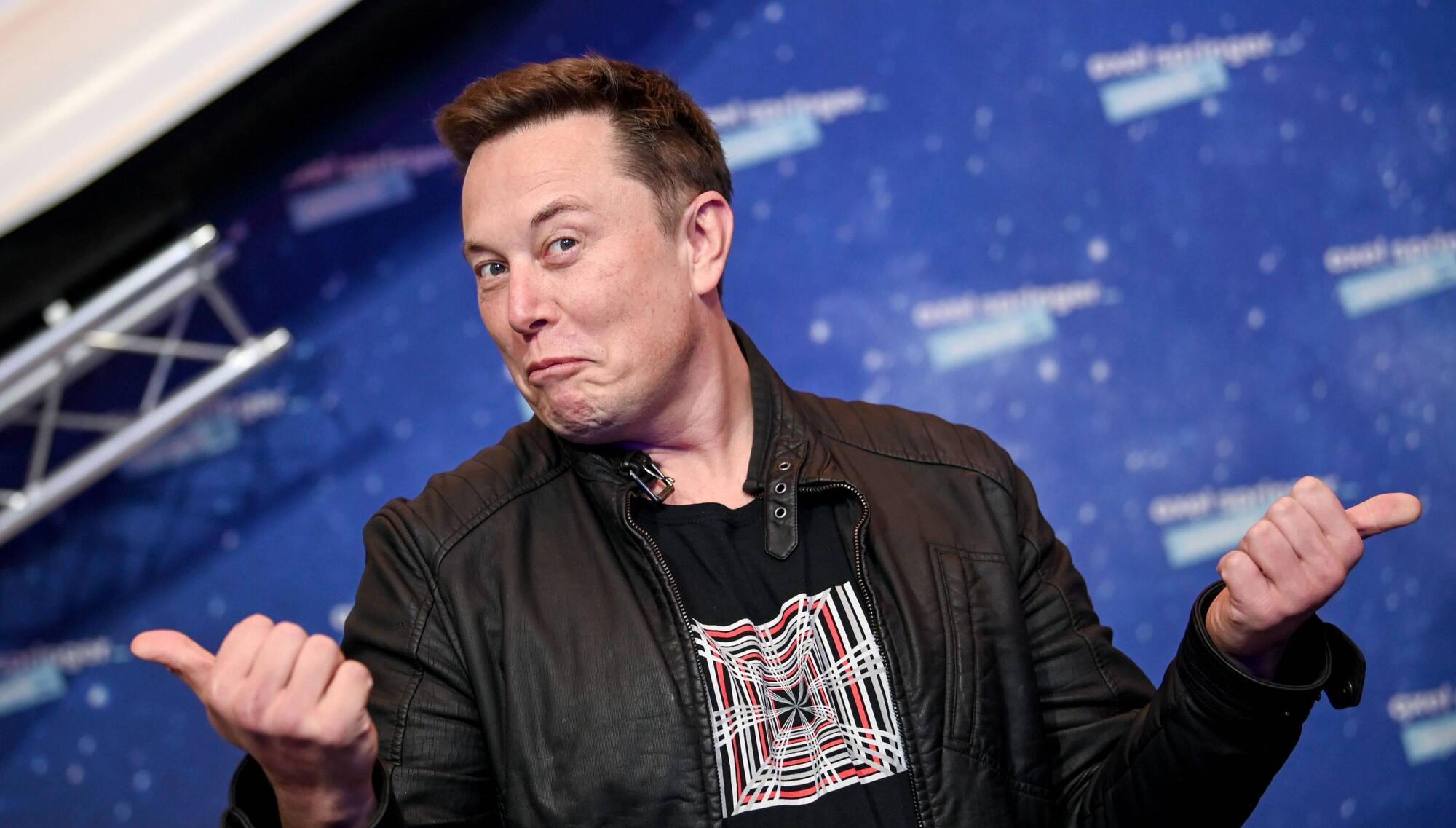
Tesla CEO Elon Musk testified that the 'funding secured' tweet was 'absolutely truthful'.
Elon Musk proved once again that he’s difficult to beat in court.
On Friday, a federal jury in San Francisco took just two hours to clear the Tesla chief executive officer of claims by investors that he defrauded them when he tweeted four and a half years ago that he was considering taking the company private and had “funding secured” to make the deal happen.
The outcome marked another victory for the billionaire’s go-to lawyer, Alex Spiro, in a risky trial that many high-profile executives would have avoided by reaching an out-of-court settlement.
In 2019, Mr Spiro persuaded a federal jury in Los Angeles to return a verdict for Musk in less than an hour in a defamation case brought by a British caver whom Mr Musk called a “pedo guy” while they were exchanging insults on Twitter.
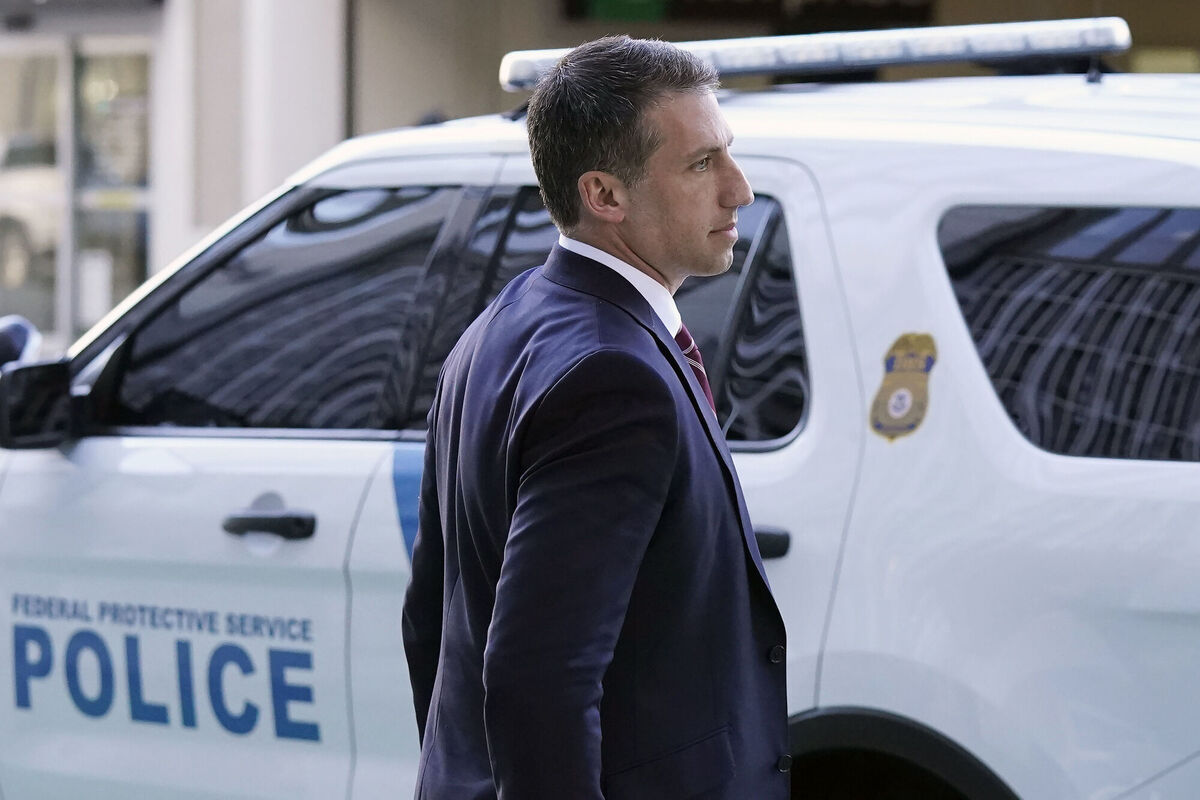
The verdict after a three-week trial in which Mr Musk was the star witness shows that the entrepreneur once dubbed 'Teflon' Elon for his ability to escape unscathed from legal scraps is still on a roll.
The outcome is a bitter loss for the shareholders who sought to recoup trading losses from fluctuations in Tesla shares after Mr Musk posted the messages. Mr Musk abandoned the take-private plan about two weeks after his initial tweets.
It’s an especially poignant vindication for Mr Musk after his August 2018 tweets got him and Tesla sued by the US Securities and Exchange Commission and he reluctantly agreed to accept restrictions on his social media posts.
The victory will be cause for celebration for Mr Musk’s fans on Twitter who support his vows to champion free speech on the social media platform he acquired in October for $44bn (€41bn).
“The jury got it right,” Mr Spiro said after the verdict, declining further comment. Nicholas Porritt, a lawyer for the investors, said: “We are disappointed with result and considering our next steps”.
For Mr Musk himself, who has a long and controversial record of tweeting whatever comes into his head about business, politics, and culture, the outcome of the trial may not matter much, because even a loss wasn’t likely to make him change his ways.
The verdict isn’t likely to become a precedent that spurs more free-wheeling corporate disclosures on social media, said Adam Pritchard, a professor at University of Michigan Law School. That’s because other CEOs will continue to use conventional methods to communicate about company business, he said.
“Nobody does this — only Elon does this,” Mr Pritchard said before the verdict.
Though many executives testified, the trial was all about Mr Musk.
At one point while the billionaire was on the stand, the lead lawyer for the shareholders mistakenly referred to Mr Musk as “Mr Tweet”, a name he seemed to enjoy and briefly embraced as the handle for his Twitter account.
Mr Musk’s defence asked jurors to imagine a world through the entrepreneur’s eyes, in which a $60bn deal to take Tesla private could be done on a handshake. The jury learned of his relationship with Yasir Al-Rumayyan, the governor of Saudi Arabia’s Public Investment Fund, and a 2017 dinner with him joined by Softbank CEO Masayoshi Son, where taking Tesla private was discussed.
Mr Musk testified that the “funding secured” tweet was “absolutely truthful”, touting what he described as an “unequivocal” commitment by Saudi Arabia, even though he had nothing in writing.
Mr Musk gave jurors other reasons to believe him. He said he felt compelled to reveal that he was considering taking Tesla private because earlier that day, the reported that Saudi Arabia was building a sizable stake in Tesla.
He testified he was afraid his going-private plans might also be leaked, and that he wanted to put all Tesla investors on equal footing by broadcasting his plans on Twitter. Mr Musk also said that if required, he could have divested his ownership stake in SpaceX to fund the transaction.
In the end, the billionaire prevailed despite evidence showing that Mr Musk’s bankers had been barely consulted and hadn’t formally signed on to his take-private plan.

CONNECT WITH US TODAY



Be the first to know the latest news and updates