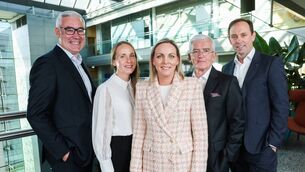
Drug giant Pfizer to invests €1.2bn into Irish site, creating more than 400 new jobs, amid difficulties facing manufacturers
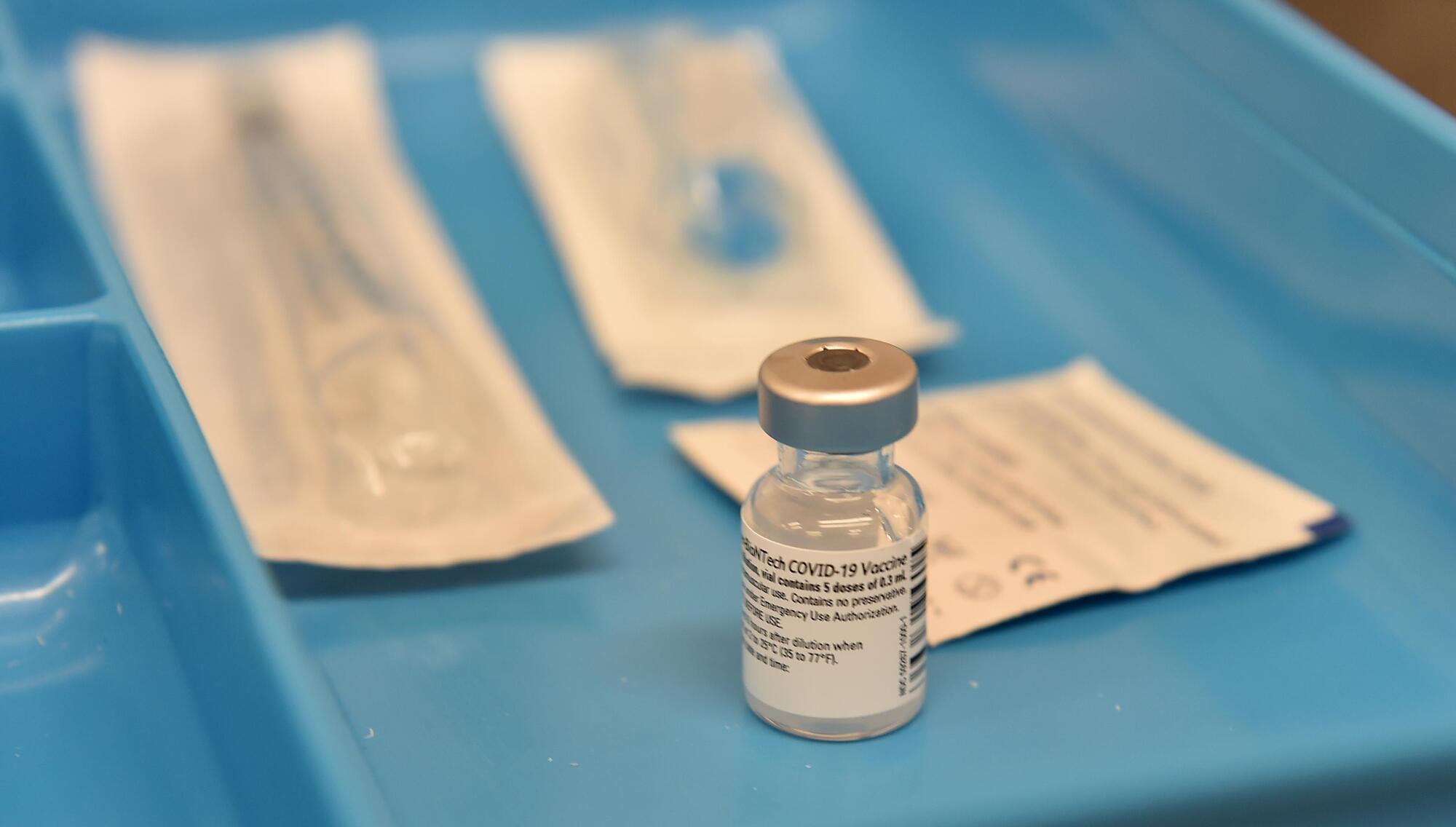
This announcement follows a €40m injection of cash in the site last year when the Grange Castle facility was used to make the drug giant's Covid-19 vaccine.
Plans announced by drug giant Pfizer to invest €1.2bn into its Dublin site, which will create more than 400 new jobs by 2027, signals growth for Ireland’s pharma sector amid difficulties for manufacturers as inflation bites.
Its latest cash injection is the largest into Ireland to date by the Covid-19 vaccine maker and will be used to create between 400 and 500 new jobs, bringing the total number of Pfizer employees across the country to approximately 5,500.
"We are very pleased about today’s announcement, as it significantly strengthens our operations in Ireland, where we have three high-performing and strategic manufacturing sites," said Mike McDermott, chief global supply officer and executive vice president at Pfizer.
The main use of the investment will be to expand its site in Grange Castle in Dublin by building a new facility where it can grow its manufacturing capacity.
The project is currently in its preliminary design phase with construction expected to begin onsite in 2024 and the new facility is due for completion in 2027.
This announcement follows a €40m injection of cash in the site last year when the Grange Castle facility was used to make the drug giant's Covid-19 vaccine.
Grange Castle as well as Pfizer’s other manufacturing sites in Newbridge in Kildare and Ringaskiddy in Cork manufacture medicines and vaccines in the areas of arthritis, inflammation, cancer, anti-infectives, haemophilia, pain and stroke.
Pfizer was boosted during the pandemic due to the demand for vaccines, but new challenges have emerged for all manufacturers.
Irish factories experienced a sharp slowdown in manufacturing activity last month as fears of a global recession continue to creep higher.
Manufacturing output declined in November as the sector recorded the steepest contraction of new orders since the start of the pandemic around May 2020, according to AIB’s latest manufacturing Purchasing Managers Index, or PMI.
Manufacturing across the globe is battling soaring costs such as energy and materials, while new orders are slowing due to people tightening their belts as inflation levels remain high.
However, there is some hope for manufacturers across other parts of Europe, according to the S&P Global's final manufacturing PMI.
The downturn in manufacturing activity across the eurozone eased in November, according to the survey which suggests while the bloc's factories still face a harsh winter it may not be as bad as initially feared.
Many pharma multinationals continue to grow in Ireland despite economic challenges, unlike some tech firms which have been forced to slim down due to the current economic headwinds.
The tech downturn has in recent weeks led to Twitter, Stripe, Intel and Amazon making people redundant.
Last month, economists Jim Power and Chris Johns said that in contrast to tech multinationals, the chemical and pharmaceutical sector does provide a very solid anchor for Ireland.
Ireland is the largest net exporter of pharmaceuticals in the EU accounting for over 50% of all exports from the country, according to the Irish Pharmaceutical Healthcare Association.
Some firms in the sector though have not escaped the impacts of rising costs and have had to make cutbacks.
In October, pharmaceutical giant Novartis announced plans to cut its Irish workforce by a quarter, putting 400 jobs at risk.

CONNECT WITH US TODAY



Be the first to know the latest news and updates