Apple pledges to back new solar and wind projects in Europe
More than 200 suppliers, representing 70% of Apple's direct manufacturing spending, have committed to using clean power such as wind or solar for all Apple production, Apple said.
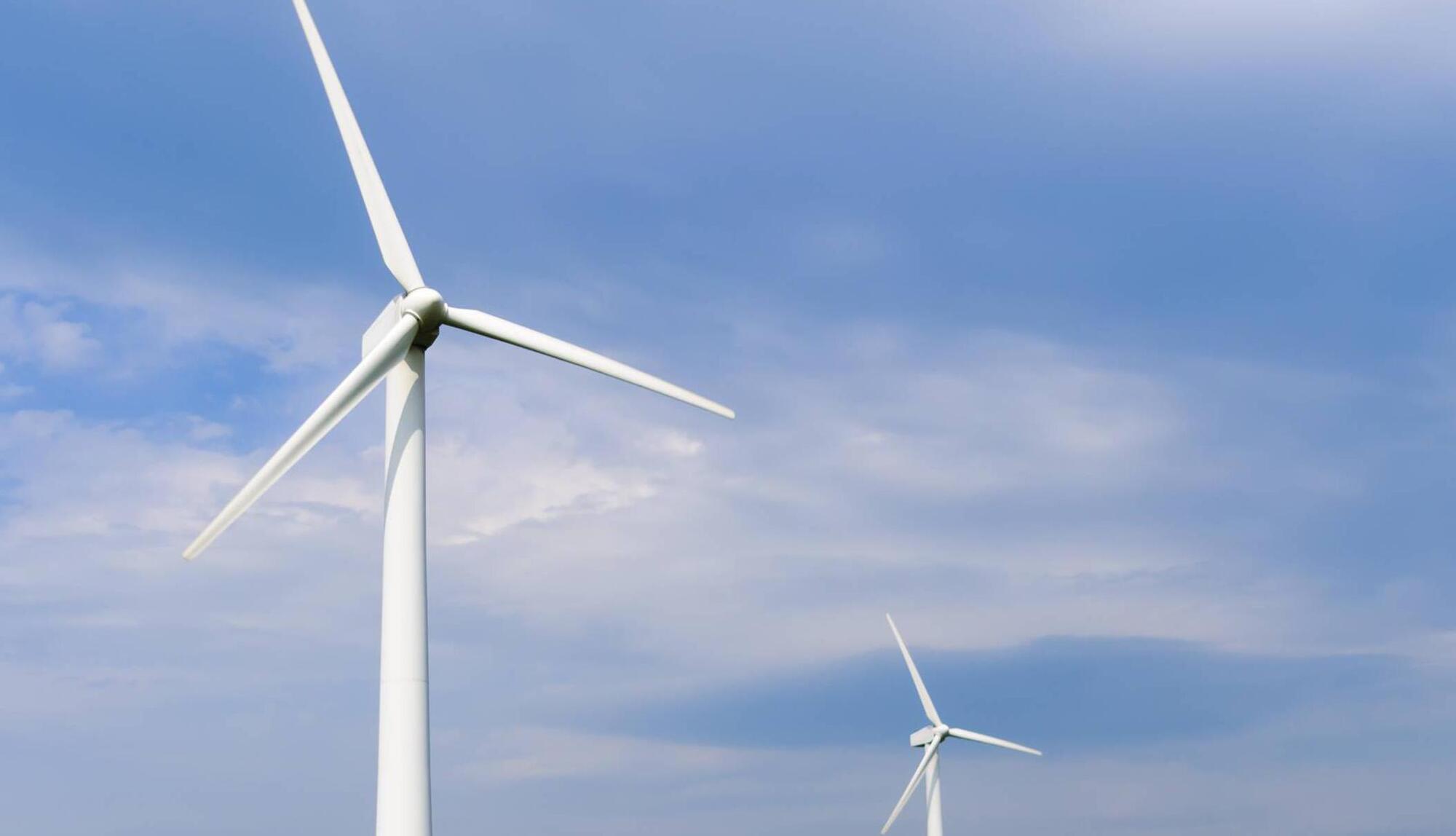
Apple has said it would make fresh investments to set up solar and wind projects in Europe and called on its suppliers to decarbonise operations related to the production of iPhones and other products.
The company in 2020 had pledged to remove carbon emissions from its entire business, including products and its sprawling supply chain — which spans from Vietnam to Brazil — by 2030.
The iPhone maker will now require its supply partners to report on progress on carbon neutrality goals, specifically Scope 1 and Scope 2 emissions reductions, related to the production of Apple products and will audit their progress annually.
More than 200 suppliers, representing 70% of Apple's direct manufacturing spending and including Corning, Nitto Denko, SK Hynix, STMicroelectronics, TSMC, and Yuto, have committed to using clean power such as wind or solar for all Apple production, Apple said.
Apple had previously asked suppliers to commit to 100% renewable energy for Apple's production.
"We're determined to be a ripple in the pond that creates a bigger change," chief executive Tim Cook said.
Apple has been carbon neutral for its global corporate operations since 2020.
Many multinational companies are increasingly looking into global supply chains to reduce their carbon footprint as climate change becomes a bigger focus for investors and regulators.
Apple said the European investments are part of a strategy to address about 22% of its carbon footprint coming from the electricity customers use to charge their devices.
With the construction of new projects in Europe, the company is aiming to power all Apple devices on the continent with low-carbon electricity, it said.
In total, the planned investments will add 3,000 gigawatt hours per year of new renewable energy on the grid, Apple said.
Meanwhile, market research firm TrendForce said Apple is cutting back production of iPhone 14 Plus and is increasing the output of the more expensive iPhone 14 Pro due to lukewarm demand for the mid-range model.
The share of more expensive iPhone 14 Pro series has increased to 60% of the total output from the initially planned 50%, and it could rise to 65% in the future, the report said.
Apple's focus on high-end models may help it counter the softness in smartphone sales. In the thick of the chip crisis, Apple's Pro and Pro Max premium tier of devices, which have been strong sellers, helped the company push margins higher.
The TrendForce report said rising US interest rates could crimp consumer spending, undermining the demand for iPhones in the first quarter of 2023. This could lead to a 14% year-on-year drop in production to 52m units.
Analysts have in the past said iPhone 14's Pro and Pro Max versions were selling at a brisk pace, although demand for the base model, typically Apple's best seller, has been underwhelming.
Apple was the only vendor in the top five to register a growth in shipments in the third quarter, improving its share of the global smartphone market to 18% from 15% a year ago, according to research firm Canalys. The increase in share came as the overall smartphone market shrank 9%, Canalys said.
Last month, the company said it would manufacture its latest iPhone 14 in India, as the tech giant moves some of its production away from China to hedge risks arising from the growing tensions between Washington and Beijing.
TrendForce estimates the share of Apple's output from India to exceed 5% in 2023 and increase over the years.
• Reuters

CLIMATE & SUSTAINABILITY HUB
CONNECT WITH US TODAY



Be the first to know the latest news and updates