Waterford Panadol maker valued at €36bn in spin off
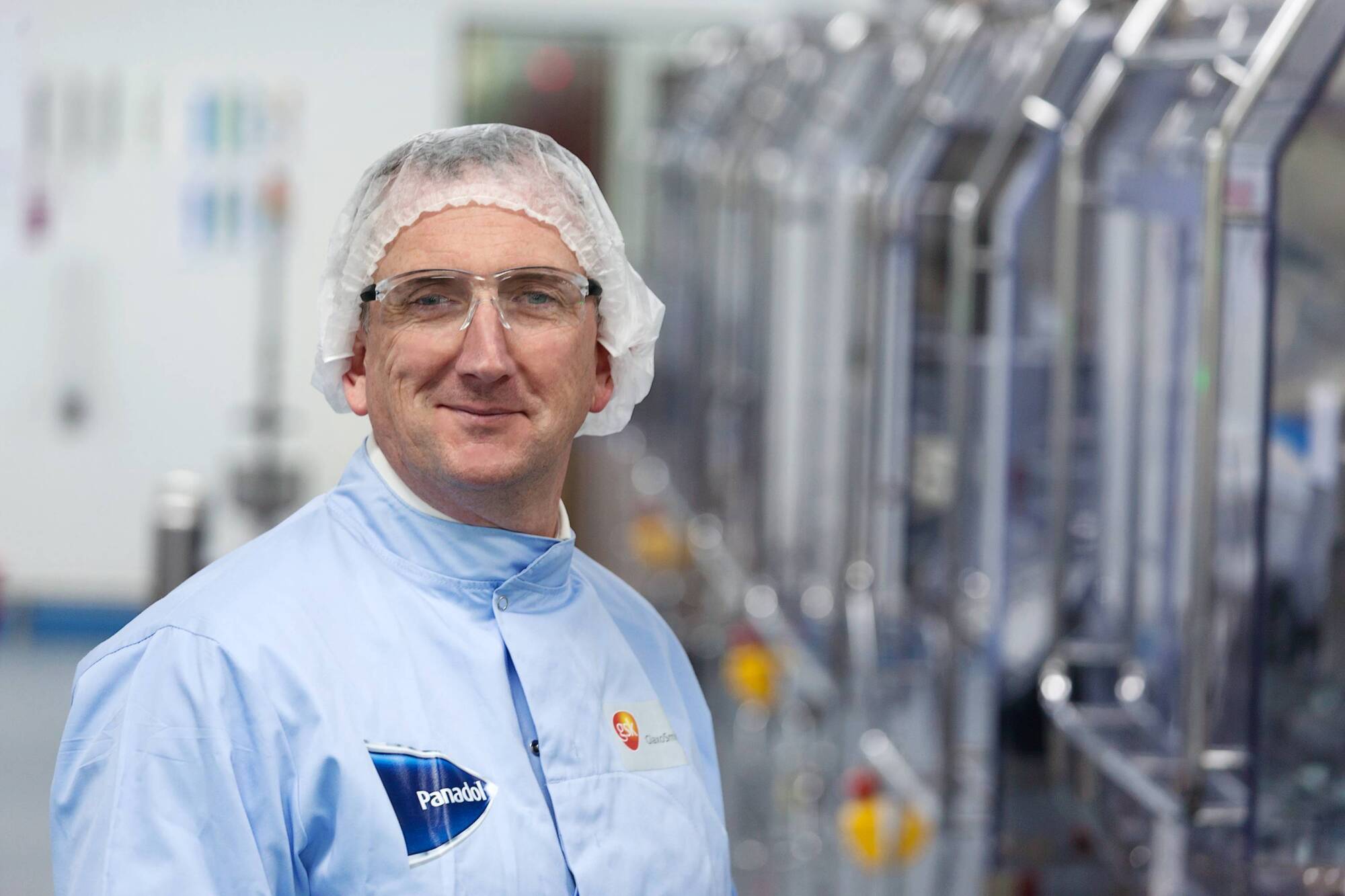
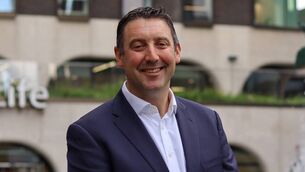
Dave Barrett, Country Manager, Haleon Ireland. Picture: Karen Dempsey
Shares in painkiller Panadol and Sensodyne toothpaste maker Haleon started trading on Monday, making the company the biggest European listing on the London Stock Exchange in over a decade.
Haleon runs one of its biggest manufacturing sites out of Dungarvan in Waterford, where it produces approximately nine billion Panadol tablets each year and employs 900 people.
“I couldn’t be more delighted to be celebrating this milestone of Haleon becoming an independent company,” said Dave Barrett, Ireland country manager at Haleon.
Haleon employs 30 sales and commercial workers at its Dublin base in addition its staff in Waterford. The group employs over 22,000 people across 170 markets.
The consumer health business demerged from drug giant GSK as part of its move to trade independently and is also expected to commence trading on the New York Stock Exchange (NYSE) at market open on 22 July.
“Consumer health has never been more important than it is today, and I am delighted that Haleon, as an independent company, is ready to pursue our ambitions,” said Haleon CEO Brian McNamara.
The demerger is part of a shakeup aimed at strengthening the prospects of both companies following pressure from activist investor Elliott Investment Management.
Haleon's stock was trading down nearly 3% from the opening price, but it's difficult to draw conclusions without several days of trading, investors said.
"Generally, demerger prices take some time to settle as there is no 'normal' liquidity in them yet," said Tineke Frikee, a portfolio manager at Waverton Asset Management with shares in GSK and Unilever.
Haleon’s market valuation was lower than expected according to experts.
Even accounting for the roughly £10bn (€12bn) in debt, it is below the enterprise value of £50bn (€59bn) Unilever was prepared to pay for the business at the beginning of the year. GSK had rebuffed the offer on the basis it was too low. Nestlé is also said to have explored buying the unit.
While Haleon was expected to have an equity value of about £33bn (€39bn), according to analysts at Credit Suisse, some investors will likely focus on the takeover interest in recent months.
“Investors might be wondering why GSK didn’t accept the much higher bid from Unilever,” said Danni Hewson, financial analyst at AJ Bell.
“While Haleon owns some well-known brands including Sensodyne and Advil, that may not be enough to entice a line of buyers for the stock,” said Ms Hewson.
Haleon will need to show it can achieve its target of annual sales growth of 4% to 6% in the medium term while reducing debt.
Additional reporting by Reuters, Bloomberg and the Irish Examiner
- Reuters


CONNECT WITH US TODAY



Be the first to know the latest news and updates