Pfizer buys maker of migraine drug for $11.6bn in biggest deal since 2016
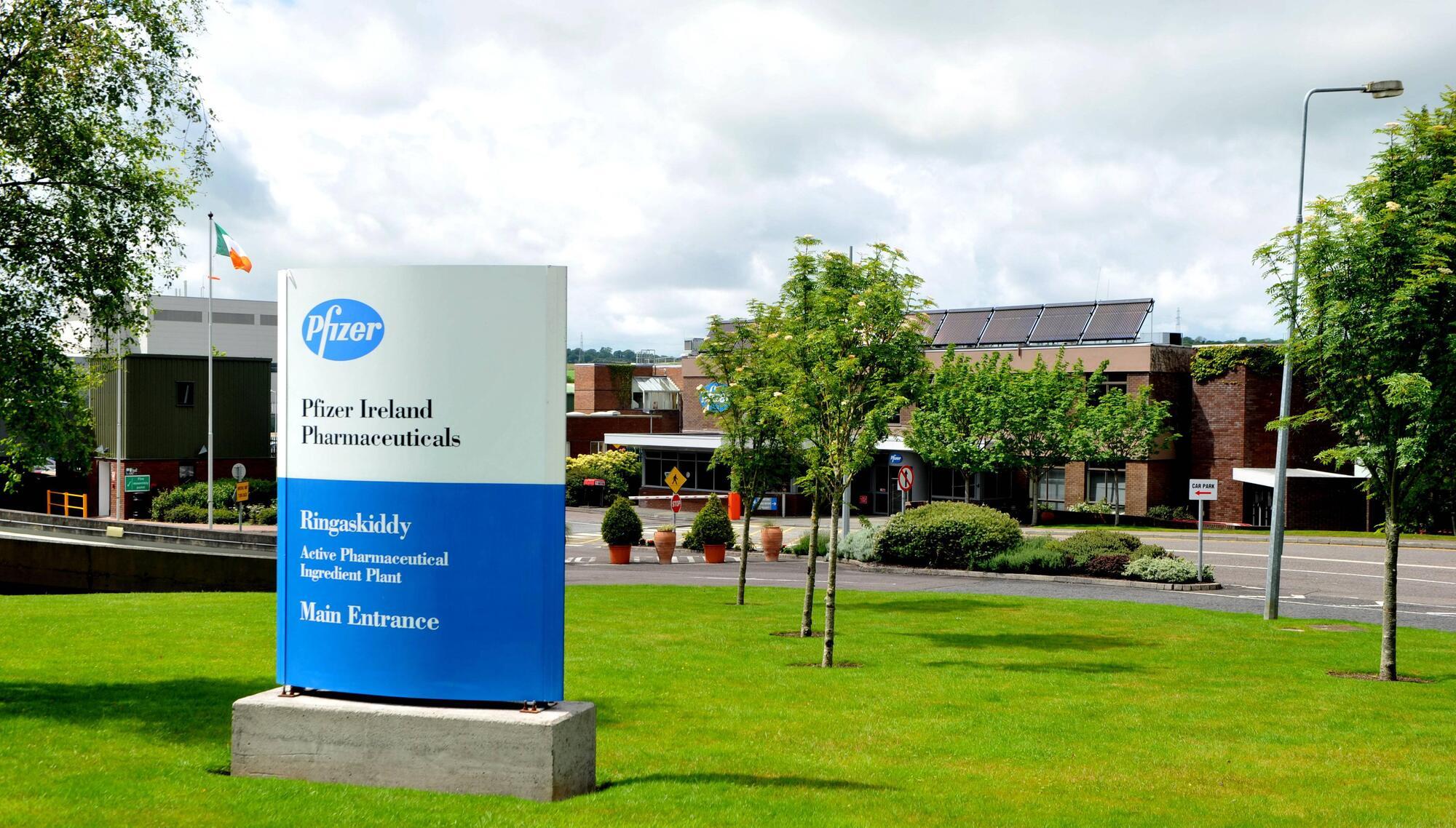
The Pfizer plant in Ringaskiddy, Co Cork. Picture Dan Linehan
Pfizer will pay $11.6bn (€11bn) to buy migraine pill maker Biohaven, marking the biggest deal by the cash-rich drugmaker since 2016 to beef up its portfolio ahead of patent losses for some cancer drugs.
The deal will give Pfizer access to Biohaven's approved rimegepant, a potential blockbuster that belongs to a class of migraine treatments known as calcitonin gene-related peptide, or CGRP, inhibitors.
Flush with about $32bn in cash on hand after its success with Covid-19 drugs, Pfizer has been looking to add treatments as patents for its top-selling drugs like blood thinner Eliquis near expiration.
The company also expects sales of its Covid-19 vaccines to drop from last year's highs.
"Investors will like this deal," said Wells Fargo analyst Mohit Bansal.
The Biohaven deal is its largest since Pfizer's $14bn purchase of cancer drugmaker Medivation in 2016.
Pfizer will acquire all Biohaven shares that it does not already own for $148.50 per share in cash, a 78.6% premium to its last closing price. It had taken a 2.6% stake in Biohaven in November.
With this deal, Pfizer will compete in a crowded market for migraine treatments from other large drugmakers such as Eli Lilly.
Biohaven's rimegepant, sold as Nurtec in the US, is approved for use as both a treatment and preventative for migraines, and is expected to bring in sales of over $4bn by 2030. It brought in sales of $462.5m in 2021.
Biohaven is also developing another CGRP inhibitor and testing two non-CGRP drugs in late-stage studies. Last week, Pfizer said it had maintained sales forecasts for its pandemic products after a series of hikes to revenue projections for its Covid vaccine, in a sign that dizzying growth has slowed.
Several countries have eased pandemic restrictions, relaxing rules on masking and quarantines, even as cases rise in some regions. The company said it expects $22bn in sales from its Covid treatment Paxlovid this year.
Pfizer had previously said its $22bn forecast for sales of the pills only represents a fraction of the 120m courses the company is able to manufacture this year.
The company's reluctance to lift that forecast could signal a dearth of new sales contracts for the drug during the first quarter.

CONNECT WITH US TODAY



Be the first to know the latest news and updates