Kerry Group and Kingspan suspend operations in Russia
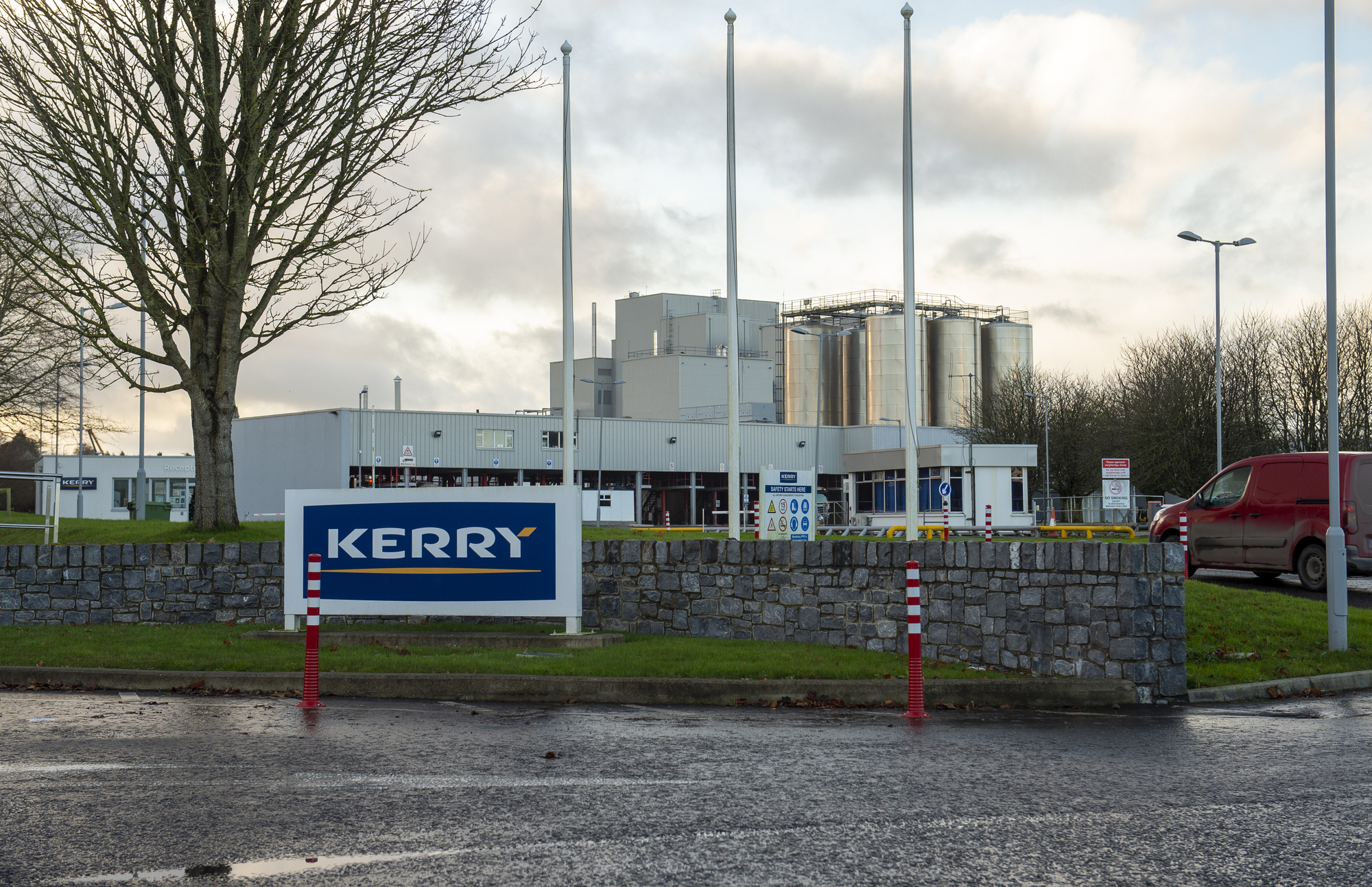
Kerry Group had employed around 250 people in plants in Russia and Belarus. It opened a production plant in Moscow in 2018.
Food ingredients company Kerry Group and building materials firm Kingspan have announced they are suspending or exiting operations in Russia and Belarus.
The firms join an extensive list of global firms to cease operating in Russia following the invasion of Ukraine.
Kerry Group and Kingspan were amongst the largest Irish firms that had yet to announce plans to exit or suspend operations in Russia.
However, both companies issued statements today confirming plans to leave the country.
Kingspan said it has exited the Russian market and divested its operations to local management.
"Whilst our decision to exit was made in early March it has taken several weeks to ensure that it could be completed in an orderly fashion, with the safety and welfare of our staff as a key priority," the Cavan company said in a statement.
Russia accounts for less than 1% of Kingspan’s global operations. Their decision means Kingspan products will no longer be available for sale in Russia. The company also said it had made a $750,000 donation to UNICEF for the setup of centres to assist refugees on the Ukrainian border. "Kingspan is deeply saddened by the growing humanitarian crisis as a result of Russia’s unjustified attack on Ukraine and its people," the statement said.
Kerry Group had come under pressure in recent weeks over its continued operations in the country despite scaling back activities in recent weeks. However in a statement yesterday the company said: "Following extensive ongoing consultation with stakeholders, the group announces today that it is suspending its operations in Russia and Belarus."
"Kerry Group has continuously monitored the unfolding situation in Ukraine and we are horrified at the escalation of the humanitarian crisis."
The company said the suspension will be managed in an orderly manner, during which the company will continue to pay employees and fulfil its legal obligations.
Kerry Group which produces food ingredients at a number of locations around the world had employed around 250 people in plants in Russia and Belarus. It opened a production plant in Moscow in 2018.
Outside of strict sanctions set down by governments around the world in reaction to the invasion, individual companies have been voting with their feet and winding up operations in Russia or facing significant criticism for maintaining operations there.
Yesterday, the European Union condemned Russia for reported atrocities by its military in several Ukrainian towns, saying it will work on additional sanctions against Moscow as a matter of urgency.
The price of oil increased yesterday rising above the key $100 (€91) per barrel mark on the back of the EU threats. French president Emmanuel Macron said the group will discuss possible sanctions on oil and coal while German finance minister Christian Lindner said all economic ties with Russia must be severed as soon as possible.
Last week, prices experienced their biggest weekly decline in two years after the US announced a huge release of oil from its strategic petroleum reserve. Other members of the International Energy Agency will also use stockpiles, with details expected this week.
It is widely expected that the soaring prices stoked by the Russia-Ukraine conflict will bring the eight years of negative interest rates by the European Central Bank to an end. Bostjan Vasle is the latest member of the ECB Governing Council to indicate the bank will take action saying interest rates could rise in late 2022 or early 2023.
The ECB embarked on negative rates in 2014 as it sought to revive inflation that had sagged amid Europe’s debt crisis. However, now it has the opposite problem: price gains are more than three times the 2% target and lofty energy costs are pushing higher still following Russia’s invasion.
With inflation overshooting expectations for months, the ECB decided in March to speed up its timetable for ending bond-buying, a stimulus tool that began back in 2015.
- Additional reporting Bloomberg
CONNECT WITH US TODAY



Be the first to know the latest news and updates