Fashion chain Next is to operate the Gap brand in Ireland and the UK
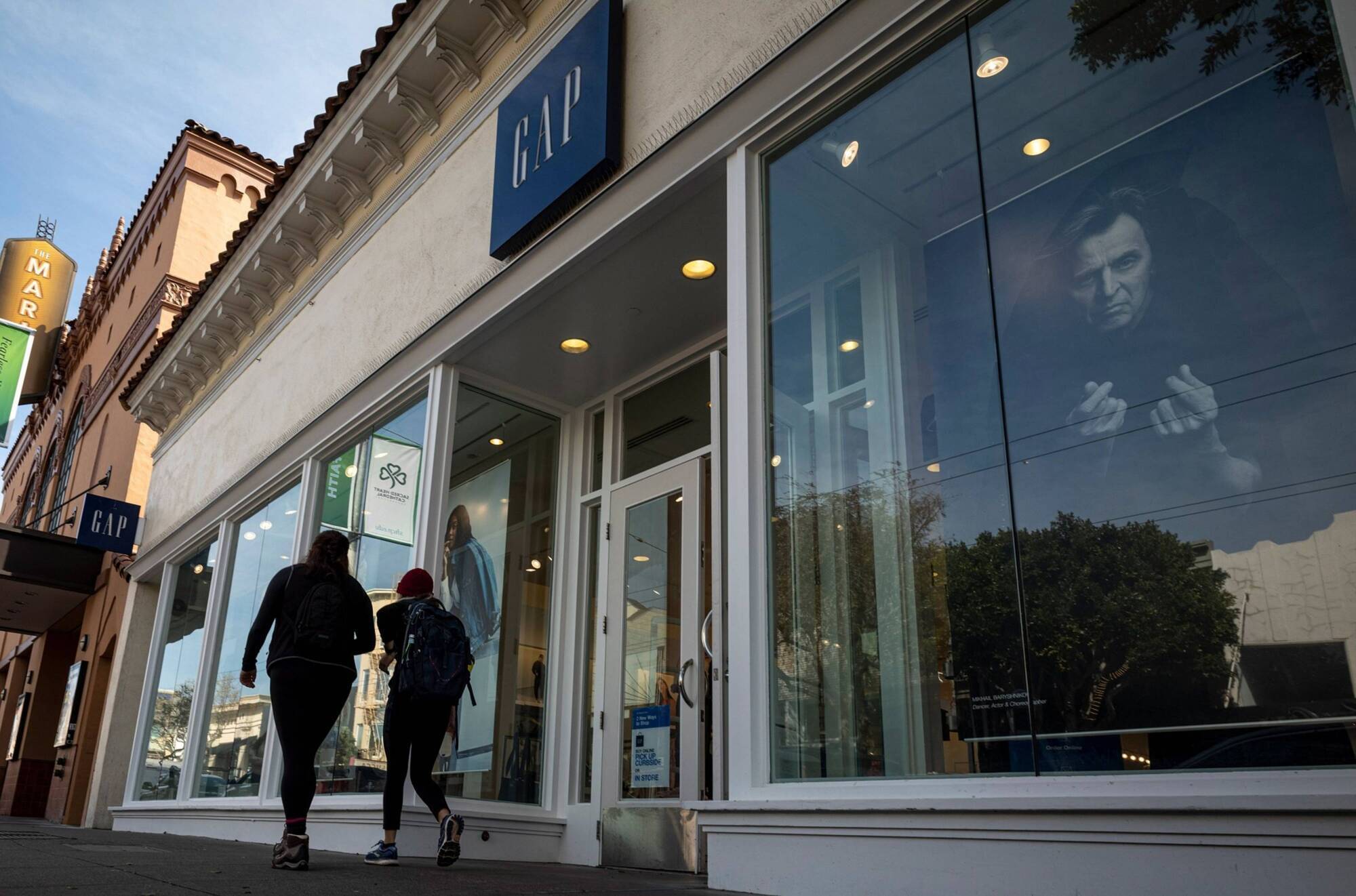
The move will see the Gap and Next form a joint venture.
Fashion chain Next has agreed a new deal to manage Gap's UK and Ireland business as a franchise partner.
The move will see the two retailers form a joint venture - with 51% owned by Next and 49% by Gap Inc - which will see Next operate the US fashion brand's digital operations, concessions and click and collect service across the region.
In July Gap confirmed it was closing its outlets in Irelan in a phased manner between August and September. It was another significant retail casualty of the impact of the covid pandemic which has seen many brick and mortar outlets close over the past 18 months. Across all of Ireland and the UK, Gap plans to shut its 81 stores as part of a strategy shake-up aimed at helping return the brand to growth.
Under the new agreement, certain Next outlets will now host Gap-branded Shop-in-Shops beginning in 2022. Gap said it will be able to benefit from Next's store network of around 500 outlets.
Simon Wolfson, CEO of NEXT plc, said they were delighted at the prospect of its Total Platform supporting GAP on the development of their world-renowned brand.
“Gap is partnering with NEXT, one of the UK’s leading online clothing retailers, to amplify our omnichannel business and meet our customers in UK and Ireland where they are shopping now," Mark Breitbard, CEO and President of Gap Global said.
The Gap and Next partnership come as new figures show UK retail sales fell unexpectedly for a fourth month in August, the longest stretch of declines in at least 25 years, raising concerns about the economic recovery.
The volume of goods sold in stores and online fell 0.9% after a 2.8% plunge in July, the Office for National Statistics (ONS) said. Food sales dropped sharply, as consumers steered spending toward bars, eating out and entertainment events newly reopened after lockdowns.
Doubts are growing about the outlook for consumer spending, which powers the British economy. Covid-19 cases are rising and millions of households now face a sharp squeeze on living standards after a surge in inflation. Meanwhile, Brexit and the pandemic have dried up the pool of workers retailers rely on and created supply-chain disruptions.
The fall in sales last month surprised economists, who were predicting a small increase, and sales excluding auto fuel declined 1.2%. It was the first run of four consecutive declines since comparable records began in 1996.
Sales at supermarkets and department stores dropped along with most other categories tracked by the ONS, which said consumers steered spending toward eating out and entertainment events newly reopened after lockdowns.
A separate survey showed that 6.5% of retail businesses were unable to get the goods, materials and services they needed in August.
Additional reporting Bloomberg
CONNECT WITH US TODAY



Be the first to know the latest news and updates