EasyJet shares nosedive as it rejects takeover approach from Wizz Air
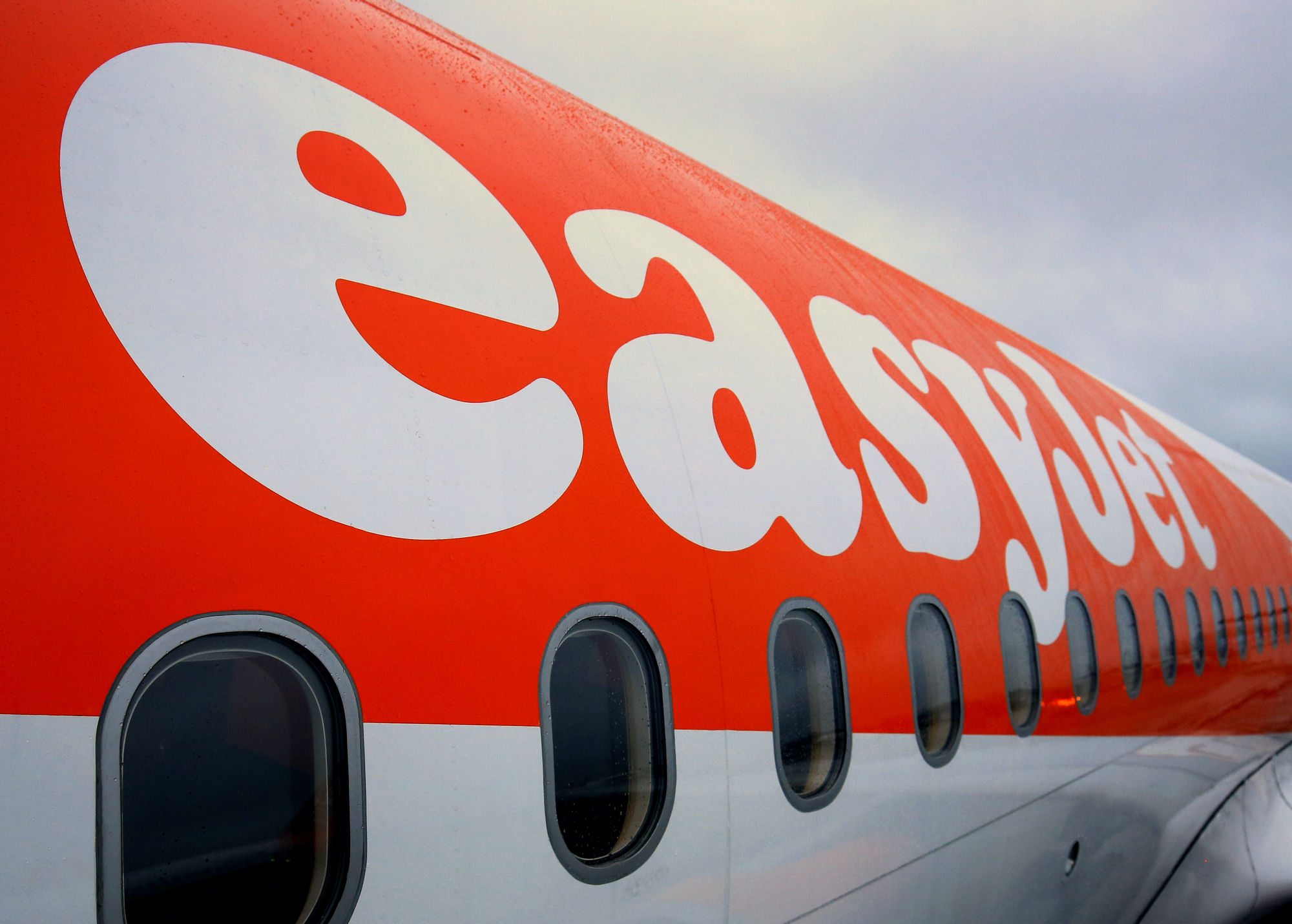
Investors have reacted badly to EasyJet's latest news, with shares plummeting by as much as 14%. File picture
EasyJet has rejected a takeover approach from Wizz Air that would have created a low-cost airline to rival Ryanair, opting instead to raise $1.7bn (€1.43bn) from shareholders and go it alone in an industry battling to recover from the pandemic.
EasyJet declined to name its suitor, but a source said it was Wizz Air.
EasyJet said the all-share approach fundamentally undervalued its business, and added the potential bidder had since said it was no longer interested in a deal.
The approach was "highly conditional in its nature, which made it very uncertain in terms of the deliverability," EasyJet CEO Johan Lundgren said.
EasyJet said the fundraising, its second of the pandemic, would strengthen its balance sheet should the Covid downturn continue and allow it to operate more aggressively once the recovery arrives. It has identified landing slots across Europe it could acquire, including in Paris, Amsterdam and Milan.
"I believe this is really a once-in-a-lifetime opportunity," Mr Lundgren said.
The airline's shares nosedived in response, down as much as 14% before paring back.
EasyJet, which during the pandemic sunk to its first ever annual loss and cut 4,500 jobs, wants to steal market share from legacy carriers like Aer Lingus and British Airways owner IAG and Air France-KLM as they retract their short-haul operations.
But it faces stiff competition from Ryanair, Europe's largest budget airline, and rapidly expanding Wizz, both of which have recovered faster than EasyJet this year.
Wizz is strong in eastern European destinations like Poland and Romania, while EasyJet is well-positioned in countries including Britain, Italy, Switzerland, Germany and France. Adding to their potential good fit, both also operate all-Airbus fleets.
"EasyJet has always been a strategic target for Jozsef Varadi," said a senior industry source of the Wizz CEO.
Based on passenger data from last year, when fewer people travelled during the pandemic, a combination of the pair would still lag Ryanair by almost 20m passengers.
Wizz, which counts aviation veteran Bill Franke as its chairman and his Indigo Partners as its biggest shareholder, has a market value of nearly €6bn, while EasyJet is worth £3.3bn (€3.8bn). Its share price has also outperformed EasyJet's.
Illustrating the ongoing travel slump, EasyJet said over July-September it expected its capacity to be about 57% of pre-pandemic levels. Ryanair flew about 75% of its normal passenger numbers in August, and Wizz flew over 85% that month.
For the last three months of 2021, EasyJet expects to fly up to 60% of 2019 levels, held back by Britain's slower return to international travel than the rest of Europe.
The drawn-out recovery has already forced EasyJet to raise ÂŁ5.5bn from shareholders and debt markets, and by selling and leasing back aircraft.
• Reuters