Toshiba warns chip crisis to last through 2022
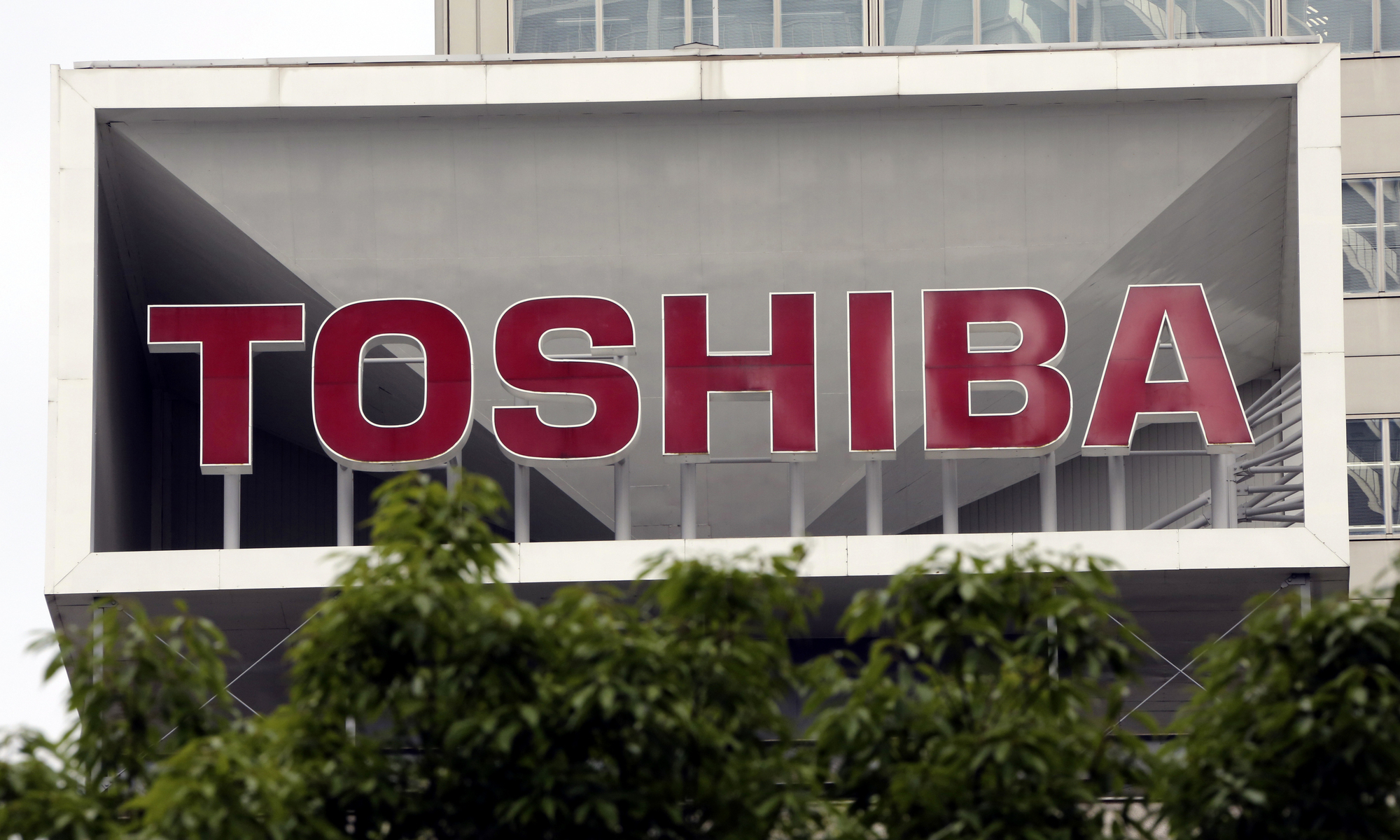
Car makers and game console producers are struggling with low supplies of power chip components.
Japanese electronics giant Toshiba has said it won’t be able to meet demand for power-regulating chips for another year and, in certain cases, through the end of 2022, offering a fresh warning for makers of cars, consumer electronics and industrial machines struggling with component shortages.
“The supply of chips will remain very tight until at least September next year,” said Takeshi Kamebuchi, a director in charge of semiconductors at one of the company’s units.Â
“In some cases, we may find some customers not being fully served until 2023.”Â
Material shortages and demand outpacing output capacity are to blame for Toshiba’s inability to fulfil orders for a component that doesn’t require advanced production technology and has typically been deemed a commodity, according to Mr Kamebuchi.
Mature tech, such as Toshiba’s power chips, is cheaper than cutting-edge memory and sensors, but no less important for any electronic device. If the processor is the device’s brain, power-regulating silicon and circuitry serve as the heart and vascular system, helping to smoothly transmit electricity.
Toshiba plans to invest 60bn yen (€460m) in the three years to March 2024 to boost output of power semiconductors, Mr Kamebuchi said.
Options beyond that period include additional investment that may include building another factory. Despite some investor concern that demand will evaporate after the pandemic-fuelled frenzy for electronics, Mr Kamebuchi said the company was confident that orders would keep growing rapidly enough to sell out all its production lines for years to come.
Car makers – including Toyota and Volkswagen – have had to halt or reduce production due to widespread chip shortages.
Mr Kamebuchi said some chipmakers are prioritising motor companies in their production and Toshiba is similarly making every effort to minimise the impact on car assembly lines.
“We usually receive orders weeks and months in advance, but we currently face increasing enquiries for half a year into the future and beyond,” he said. “Long-term contracts piling up like this is new to us.”Â
Video-game consoles are another prominent victim of the power chip shortage. Sony said it was still confident it could sell more than 14.8m units of the PlayStation 5 this fiscal year to match the pace of its predecessor, but the new console’s production in the April-June quarter lagged behind the PlayStation 4 for the same period.
Nintendo’s Switch production hasn’t been sufficient to serve customer demand, according to president Shuntaro Furukawa. His company intends to sell 25.5m Switch units in the current fiscal year.
Game console production is vulnerable to a lack of components. Manufacturers are making daily calls to suppliers to ensure parts will reach assembly lines as promised, according to a top executive at an assembly contractor. Some console customers have told the assembler they may alter their circuit board design to reduce the required components.
Toshiba is holding daily discussions on how best to allocate its limited output, Mr Kamebuchi said. The company’s having to apologise to some customers for being unable to deliver in a timely fashion.
“We consider which customer faces the most severe situation, such as the risk of the whole production line halting or the business getting obliterated without the supply of chips,” he said.Â
“Game console makers are among the customers making the strongest demands and I’m sincerely sorry for their frustration as none of them have a 100% satisfaction.”
• Bloomberg