M&S commits to Ireland despite Brexit and Covid burdens
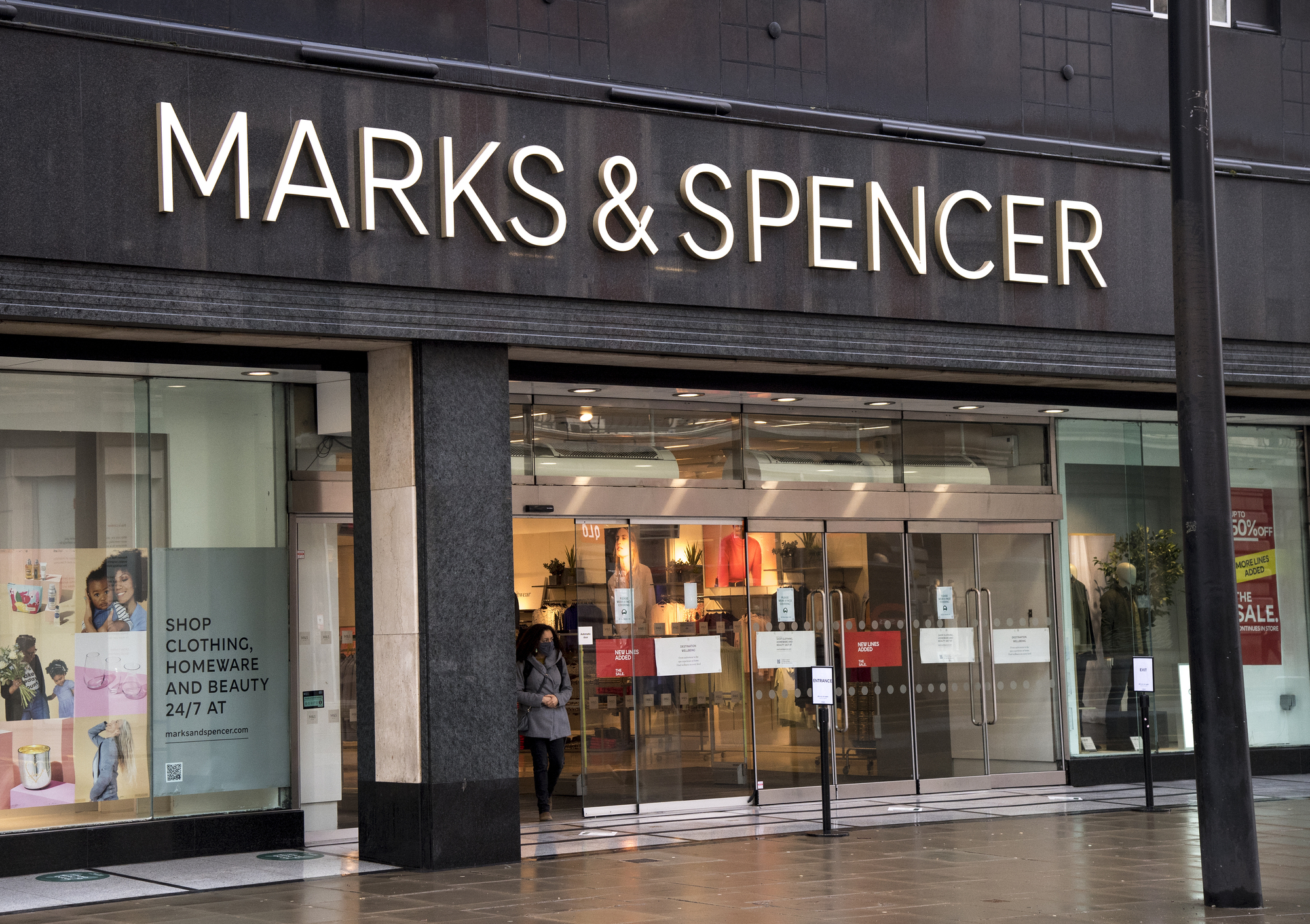
M&S is seeing Brexit costs weighing on its Irish business.
Marks & Spencer has said it remains committed to its operations in Ireland despite incurring significant Brexit costs and Irish lockdown restrictions hampering its international sales.
On the back of a sobering set of annual results, the retail giant said it was now exposed to additional costs since Brexit became a reality.
It said it expects net costs of between £42m and £47m (€48m-€54m) this year, solely on the back of Brexit, with the bulk of that relating to its operations in Ireland.
It said about £27m-£33m of estimated costs relate to its Irish operations – largely surrounding administrative and supply chain costs for food products being exported to Ireland.
“The most challenging effect of the Brexit deal is to make the supply of fresh and chilled product, especially prepared food, into the EU very lengthy and bureaucratic, creating an enduring impact on availability and trading costs,” M&S said.
It said the situation is unlikely to improve in the near term and the company will need to “reconfigure” trading with its EU businesses.
“The most significant impact is on our food operations in the island of Ireland and we are implementing multiple medium-term solutions to stabilise the business in both the North and the Republic,” M&S said.
M&S reported an 88% slump in full-year profit to £50.3m (€58m), but said it is making progress with its latest recovery plan and has forecast a rebound in profit this year as key markets emerge from lockdown.
Its share price jumped more than 10% on that news, despite the retailer warning it would probably not be paying a dividend to shareholders this year.
M&S also said it will cut about 30% of its core stores over the next 10 years as online sales increase.
M&S said it had traded well in the early weeks of the current financial year, and that profits would recover.
The 137-year old group said like-for-like clothing and homeware sales plunged 31.5% in the year to the start of April, mainly due to ongoing lockdowns which shuttered stores across Britain and Ireland.
CEO Steve Rowe has been driving the chain's latest attempt at a reinvention after decades of failures.
Along with chairman Archie Norman, he is focusing on transforming the company's culture, while closing stores, investing heavily in technology and e-commerce, and improving product and value to broaden its appeal.
Mr Rowe now expects online penetration of its clothing and home business to reach up to 50%, and as a result he said M&S was taking a careful look at the size of its store estate.
M&S’ international sales – taking in all markets outside of the UK – were hit by the pandemic and were only partly offset by the shift to online sales. There was a near 22% drop in clothing and home furnishing sales. M&S said this was largely driven by lower store sales in Ireland and India.
• additional reporting Reuters
CONNECT WITH US TODAY



Be the first to know the latest news and updates