Remote work key role in gender balance, says Dell talent lead
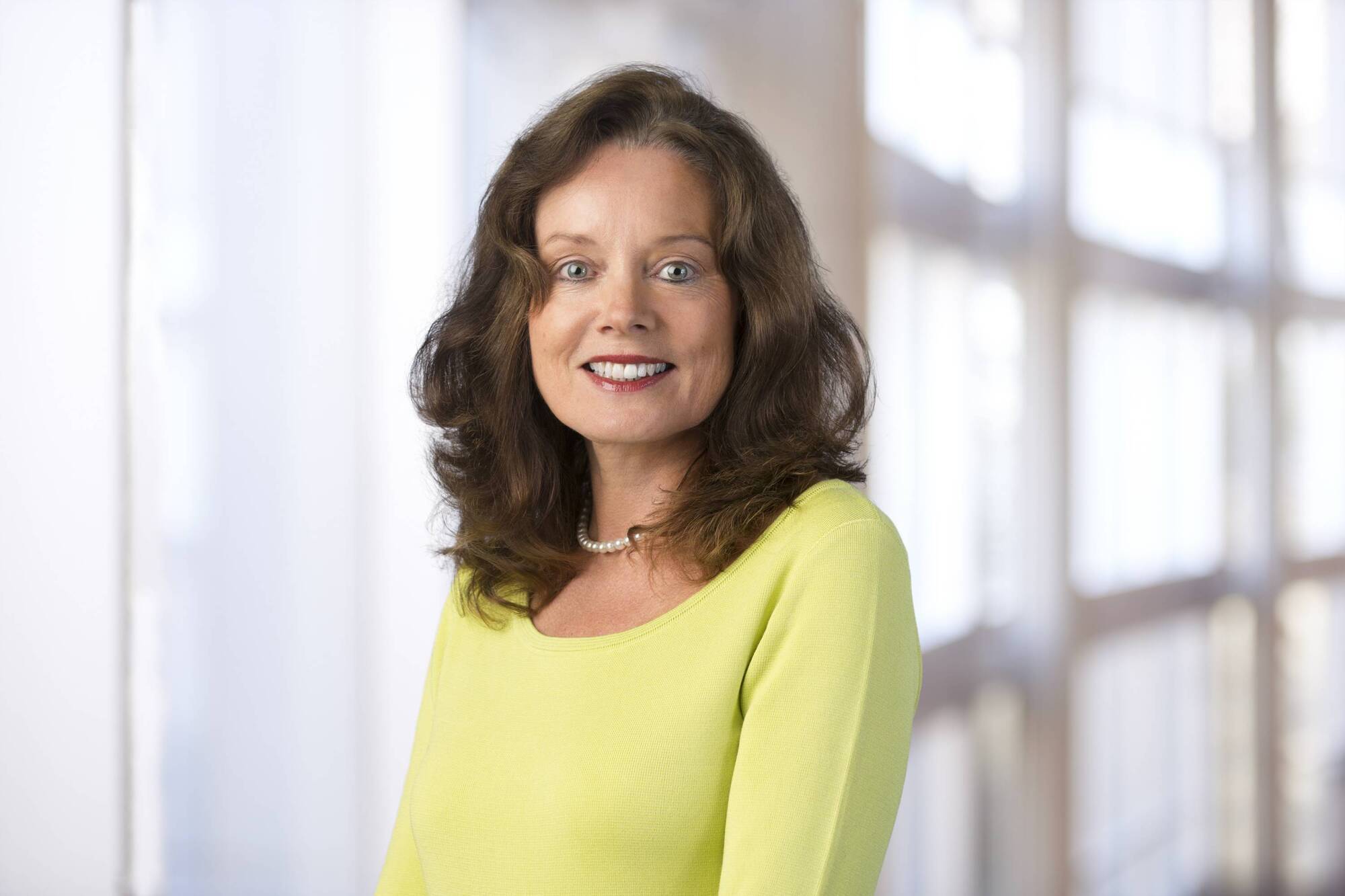
Marie Moynihan, senior vice-president of global talent acquisition, Dell Technologies.
Remote working is helping to boost gender balance in work opportunities, says Marie Moynihan, senior vice-president of global talent acquisition, Dell Technologies.
Speaking at the virtual I Wish event promoting greater female participation in STEM roles, Marie told the 15,000 girls tuning in from secondary schools across Ireland that digital transformation is helping to pave the way towards a more inclusive and diverse workforce, particularly within the tech sector.
“Prior to Covid-19, remote work was already on the rise,” said Marie. “With it now having become a mainstream thing, more and more people are seeing the value of what that flexibility does for their lives. Virtually everyone sees the extra time they gain in their day by not having to commute.
“The greater flexibility on when you do your work is equally important to people. Now that work is not all about being in an office at fixed hours, some work tasks can easily be done early in the morning or later in the evening. Work is now becoming more about the outcome.
“That is good for everyone. That aspect is really good for women. When you have more care-giving responsibilities, remote working really suits your needs.”
Most industry sectors agree they could benefit from the talent boost that will come with greater female participation in the workplace. Even Europe's tech sector has surprisingly low levels of female workers. European data shows that 90% of all jobs in all sectors of the economy require digital skills.
Over 53% of companies looking for ICT specialists report recruitment difficulties yet of the nine million reported to be working as ICT specialists across Europe only 17% of them are women. This highlights an untapped potential talent pool. Although Ireland rates higher than the EU average, only 21% of those within the ICT sector are female.
From Cork, Marie Moynihan is responsible for attracting the best global talent into Dell Technologies. Over recent months, she has helped the company to move to virtual onboarding of new recruits.
“Interviewing is exclusively online now,” she said. “Whereas in the past, the video interview was seen as a second-tier thing, to be followed up with the 'real' interview; now it is the norm. At Dell, we have also switched our intern programme to remote working.
“Honestly, we were a bit nervous about it at first, but it turned out that we were able to replicate everything via video. The feedback on remote work has been very positive.
“The same is true across our staff; costs are lower, productivity has gone up and so have satisfaction levels among workers. Our in-house surveys show that the optimum work balance for the future would be a mixed hybrid of remote and office-based work. That is what the majority of workers favour.”
At present, 90% of workers with Dell Technologies are working from home. That number was already at 21% prior to Covid, which was quite high at the time. Now in-house surveys show that more than 50% of the staff want to continue working full-time from home in the future, with near unanimity agreeing that some form of hybrid model would be preferable.
In terms of attracting global new talent, the hybrid model certainly makes a company more attractive. Irish-based companies, particularly the larger multinational corporations, have invested hugely in digital transformation since the advent of Covid. While partly acting out of in-house necessity, the move has also delivered a huge boost to talent search options.
“You might find someone living in Bulgaria who has the skills you need,” said Marie. “In the past, most companies were very focused on location. Now you can recruit the person you want and they can stay in Bulgaria rather than asking them to move to Ireland.
“We are also seeing that many women who may have opted out of the workforce for care-giving reasons are now opting back in. In time, that trend will grow, with more women seeing the value of working remotely.
“In the past year, families have had more time together. Without the morning and evening commute, families have achieved a greater balance between work and home life. I want to make sure we bottle the learnings from the past year and maintain the positives in a post-pandemic world to forge an even more inclusive talent pipeline both within Ireland’s vibrant technology sector and beyond.
“While the last twelve months have brought so much turmoil and sadness for many it has also been an incredible year of transformation for many organisations. Despite everything, we’ve achieved so much in the past year and my hope is that when restrictions are a thing of the past and we all return to some form of normality that we continue to remember what’s possible and choose to challenge the boundaries within which we are asked to work.”
In Ireland, Dell Technologies has campuses in Dublin, Cork and Limerick with a large and diverse workforce. The company has always embraced remote working and flexible working arrangements for its teams.
Marie Moynihan welcomes the wider societal change in mindset around remote working that has occurred in the past year. In Ireland, the Government has launched a National Remote Work Strategy to make remote working a permanent option for life after the pandemic.
“The Strategy sets out plans to strengthen the rights and responsibilities of employers and employees, to provide the infrastructure to work remotely, and sets out clear guidance on how people can be empowered to work remotely from the office,” she said. “It is steps like these that will help to make our workplaces more inclusive and diverse.”
CONNECT WITH US TODAY



Be the first to know the latest news and updates