EasyJet urges action as revenues slump and visibility fades
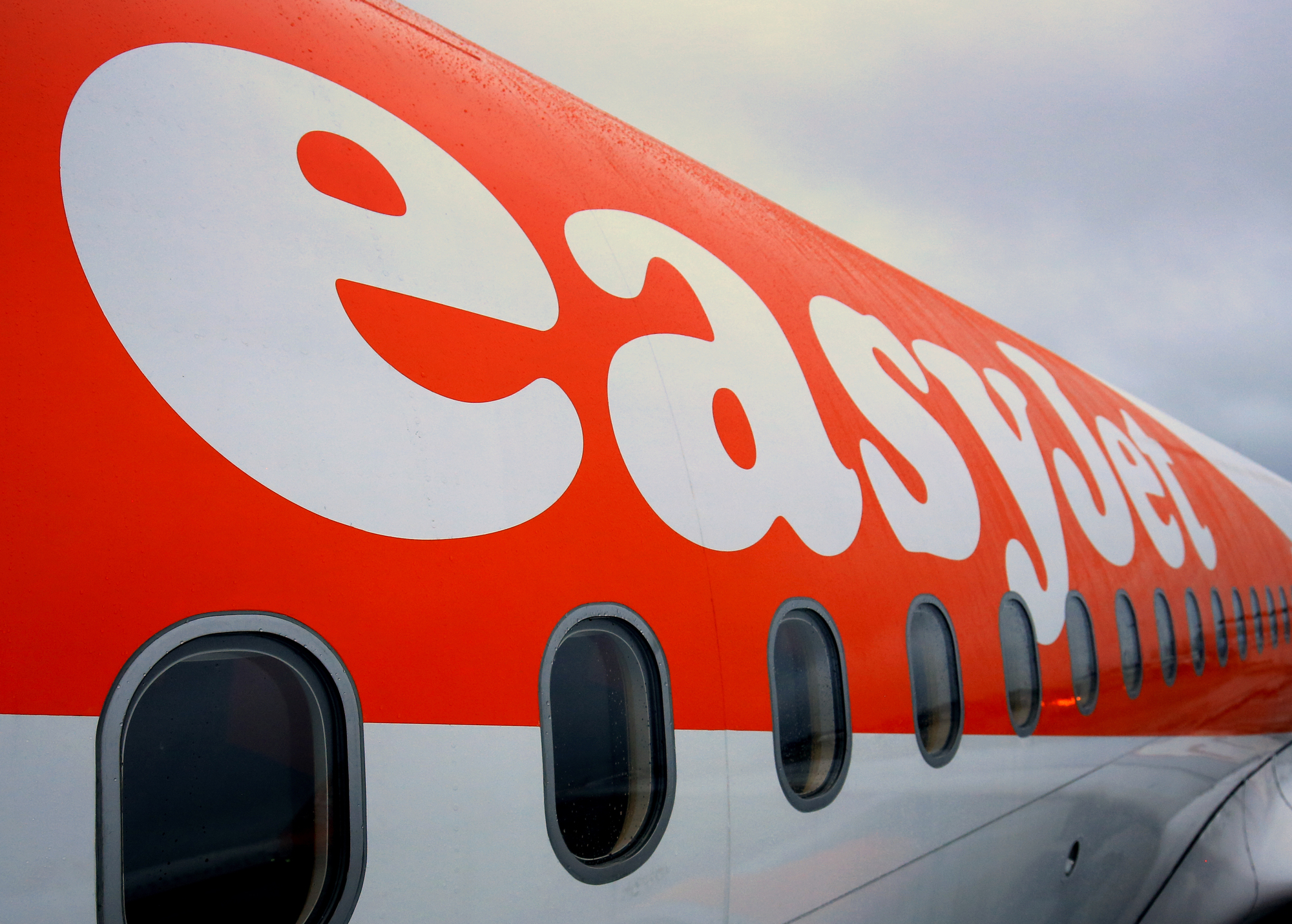
EasyJet said it has no performance visibility beyond March.
UK low-fares airline EasyJet has called on European governments to establish a timeline plan for the easing of Covid travel restrictions after suffering an 88% fall in first-quarter revenue and saying it has no performance visibility past March.
EasyJet — Ryanair’s chief rival across European air routes — posted revenues of £165m (€187m) for the three months to the end of December, the first quarter of its financial year.
EasyJet expects to fly, at best, 10% of its 2019 capacity in the first three months of this calendar year. It was flying 18% capacity between September and December.
Chief executive Johan Lundgren said governments need to say when travel restrictions might be removed and when passengers can start booking holidays. He expressed confidence in there being considerable pent-up demand for overseas holidays among consumers.
“The key thing is really that they have a plan and as soon as possible let people know and how they’re going to unwind these things,” Mr Lundgren said.
He said he could not forecast demand for the summer.
Like all airlines, EasyJet has been hoping for a bumper summer after almost a year of travel curbs, but the beginning of any recovery continues to be pushed back as new virus variants sweep Europe and countries remain in lockdown.
Travel restrictions in Britain, EasyJet’s home market and its biggest, tightened this week.
Nevertheless, EasyJet’s positive liquidity position — it continues to cut costs and is burning less cash than expected — helped boost its share price by nearly 5% despite the poor revenue figures.
Its finances were significantly strengthened earlier this month through a $1.87bn loan, which analysts said removed the risk of a second rights issue for now.
"EasyJet has indicated that first-quarter performance was in line with expectations due to continued discipline and flexibility. The company is still very vulnerable to government restrictions and uncertainty impacting demand, but the cash burn at £40m a week is somewhat better than expectations; we assumed £190m per month," said Davy analyst Stephen Furlong.
Meanwhile, Hungarian budget airline Wizz Air has vowed to use the crisis to grab business from rivals, including EasyJet, despite it also posting a sharp quarterly revenue decline.
Wizz revenues fell 77% to just under €150m, and it posted a €115m net loss, but it said the longer the crisis goes on, the better it will emerge.
“With EasyJet, there’s some lingering concern that if the summer doesn’t happen they have some question-marks over liquidity. Wizz, with its lower-cost model, is burning very little [cash]," said Mr Furlong.

CONNECT WITH US TODAY



Be the first to know the latest news and updates