Death of Samsung patriarch may loosen family hold
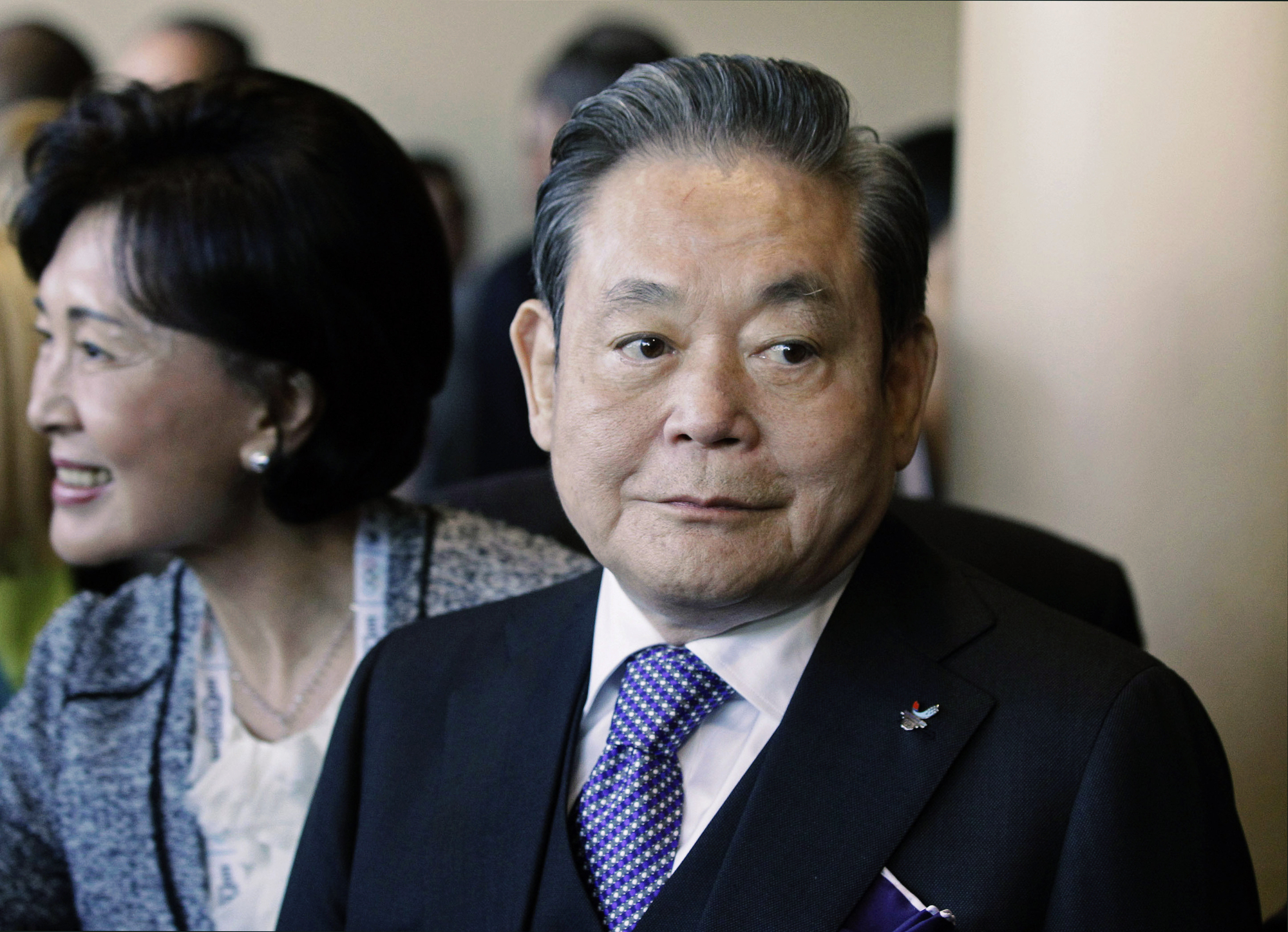
Samsung founder Lee Kun-hee dies aged 78.
Lee Kun-hee, who transformed Samsung from a copycat South Korean appliance maker into the world’s biggest producer of smartphones, televisions, and memory chips, has died aged 78.
Lee passed away with his family by his side, the company said, without mentioning the cause of death.
He had been hospitalised since a heart attack in 2014 and was treated for lung cancer in the late 1990s.
Lee, who told employees to “change everything except your wife and children” during his drive to foster innovation and challenge rivals such as Sony, was South Korea’s richest person.
He had an estimated net worth of $20.7bn (€17.4bn).
Samsung, the biggest of South Korea’s family-run industrial groups, has been led by his only son since the heart attack.
“Chairman Lee was a true visionary who transformed Samsung into the world-leading innovator and industrial powerhouse from a local business,” the company said.
“His legacy will be everlasting," it said.
The reins are now set to pass to his only son, , who has been the conglomerate’s de facto leader since his father’s hospitalisation in 2014.
However, it isn’t clear whether he will take over his father’s role, as had long been anticipated.
Samsung, the maker of the Galaxy line of smartphones, also supplies semiconductors for Google’s data centres and Apple’s iPhone, and has been riding a Covid-era boom in online activity.
It is the world’s most advanced maker of displays for TVs, computers, and mobile devices.
is currently grappling with two simultaneous legal disputes with South Korean prosecutors over allegations of bribery and corruption, which he has repeatedly denied.
Samsung hasn’t said who will step into Lee Kun-hee role as chairman.
His heirs face an estate tax of roughly $10bn, and paying it may complicate the family’s control of the Samsung conglomerate.
His beneficiaries would likely have to sell some assets to cover the tax — diluting their stake in .
— Bloomberg


CONNECT WITH US TODAY



Be the first to know the latest news and updates