ECB lowered stimulus after hitting opposition from central bankers
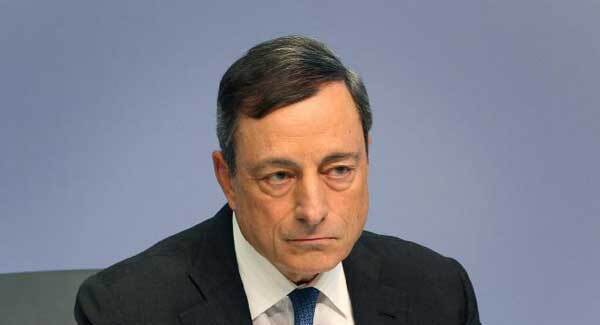
The European Central Bank president and his chief economist Peter Praet stoked expectations with dovish speeches in the weeks before the meeting but the ECB’s Governing Council concluded that markets needed to be disappointed this time because the economic outlook has improved and new inflation forecasts were not as bad as feared, the sources said.
A pending US Federal Reserve rate hike also factored into the decision, though to a lesser extent, as policymakers were concerned that a big move by the ECB would weaken the euro further and possibly force the Fed to delay its own action on rates to prevent a too rapid divergence of policy between the world’s top two central banks.
The ECB cut its deposit rate and extended its monthly asset buys by six months to boost stubbornly low inflation and lift growth.
But the moves were considered by markets to be the bare minimum in light of the bank’s previous signals.
One source with direct knowledge of the situation interpreted Draghi’s public stance ahead of the meeting as trying to pressure the Governing Council to take bigger action.
“Draghi raised expectations too high, on purpose, and attempted to paint the Governing Council into a corner,” the source said.
“This was problematic and he was criticised for this by several governors in private.”
Unlike last year, when opponents of quantitative easing made their stance public before the decision, the hawks mostly worked behind the scenes.
Opponents worked to curtail proposals coming out of the ECB’s committees that prepared the decisions, ensuring that some of the more radical measures expected by market players never made it onto the table.
Markets also expected a 25% increase in monthly asset purchases and possibly even a deeper rate cut. More radical options under discussion included the purchase of corporate debt or a split deposit rate that would punish banks parking too much cash with the central bank, sources told Reuters earlier.
“What was in the end adopted was the set of options that could gather a comfortable majority. More exotic ones, obviously could not, and were hence not even proposed,” another source said. “Sometimes discussions at the committees provide a clear enough picture.”
In the weeks leading up to Governing Council meetings the ECB’s inner core of executive board members regularly sound out national central banks to gauge their positions and formulates proposals it knows will get a comfortably majority.
“It was better for Mario to have more or less a consensus than to push something that could backfire,” another source said.
Draghi defended the package, arguing that it was meant to address inflation expectations not market predictions.
“There is no doubt that if we had to intensify the use of our instruments to ensure that we achieve our price stability mandate, we would,” he said.
CONNECT WITH US TODAY



Be the first to know the latest news and updates








