UK has first negative inflation since 1960
UK chancellor of the exchequer George Osborne also said the drop did not amount to “damaging deflation”, referring to a spiral of falling prices that hurt the economy.
The UK’s Office for National Statistics said consumer prices fell by 0.1% in April compared with the same month last year.
It was the first time annual CPI had fallen since official records began in 1996. Based on comparable estimates going back further, it was the first time that consumer prices had declined since 1960, the ONS said.
Sterling fell by one and a half cents to a one-week low against the dollar and UK government bond futures hit a session high yesterday.
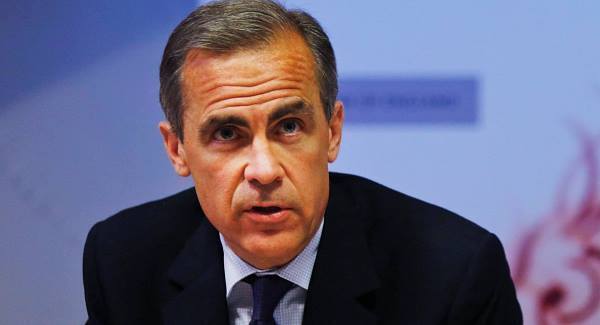
Mr Carney was keen to stress that the decline was caused by last year’s big one-off fall in energy prices, not weak domestic demand, and that Britons should enjoy the reduction in their cost of living before inflation picked up.
“We expect inflation to be very low over the next few months. But over the course of the year, as we get towards the end, inflation should start to pick up towards our 2% target.”
The European Central Bank launched a €1tn bond-purchase programme earlier this year to reverse falling prices in the eurozone, which has suffered chronic weak consumer demand, but economists say similar steps by the BoE are highly unlikely.
“We suspect today’s numbers will not significantly change the shape of the UK policy debate with the position remaining that the next move in UK interest rates is most likely to be up, rather than down,” Investec economist Philip Shaw said.
Most economists expect the central bank to start to raise rates from their record low 0.5% early next year. Oil prices have risen off their lows from early this year. Within a few months, they will be compared with the lower prices seen late last year, which will contribute to higher annual inflation.
Some economists said inflation may rise above zero as soon as the next month’s reading, because April’s figure was lowered by a one-off effect pushing down air fares and ferry tickets. Also, Easter holidays, when travel costs usually rise, fell outside April’s data collection period this year, the ONS said.
The sharp fall in inflation around the world has been driven by the last year’s slump in global oil prices, as well as declining food prices.
An underlying measure of inflation, which strips out increases in energy, food, alcohol and tobacco, rose by 0.8% fell in April, its slowest rate since March 2001.
CONNECT WITH US TODAY



Be the first to know the latest news and updates