John Whelan: Why Irish firms face greater challenges doing business in Nigeria
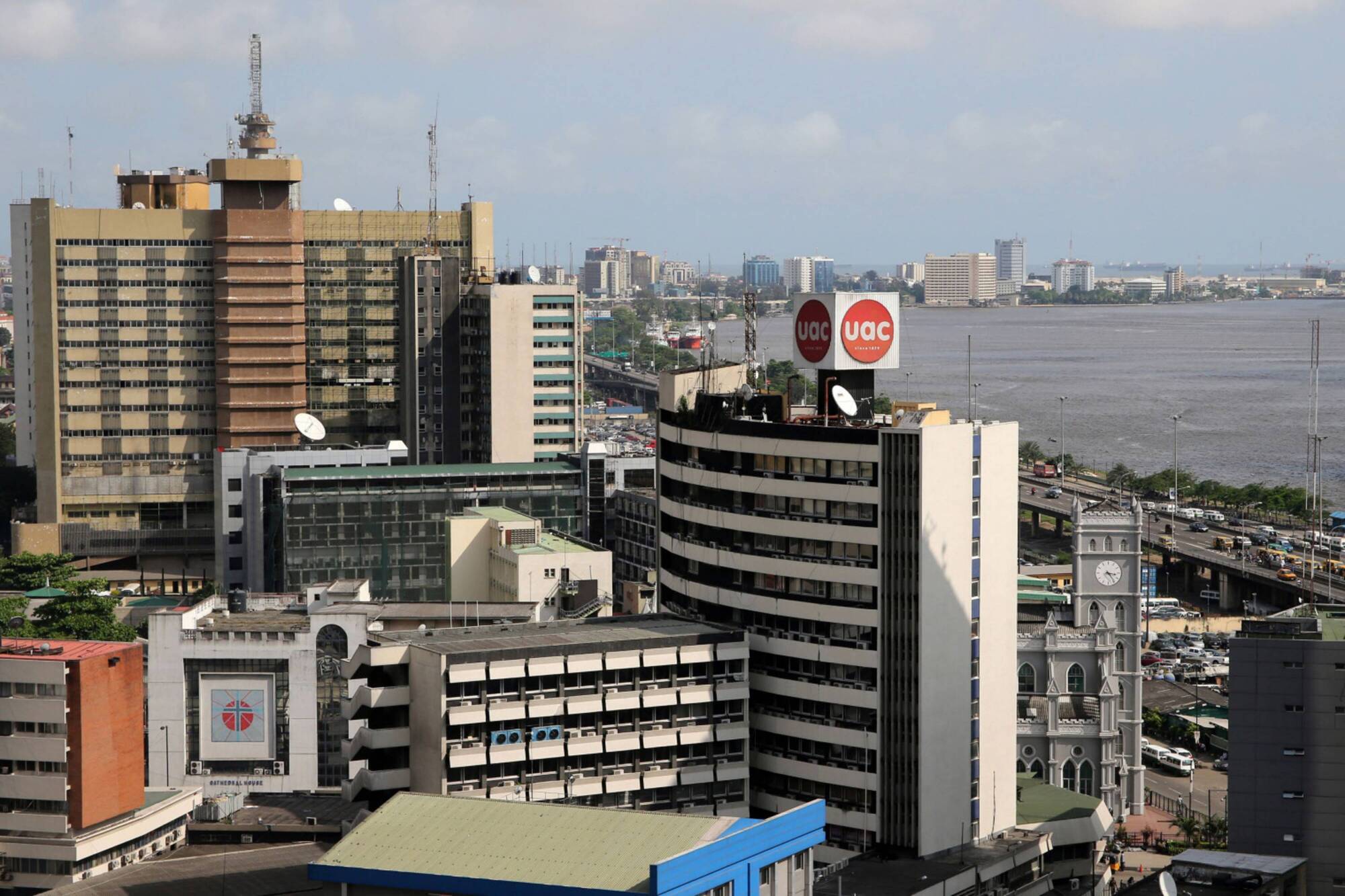
Despite having 13 embassies across the 50 African states, Ireland does minimal trade with the continent and the difficulties are increasing
Guinness, an African favourite since the 1960s, has had to weather Nigeria's exchange rate volatility for decades.

Guinness, an African favourite since the 1960s, has had to weather Nigeria's exchange rate volatility for decades.

Last week GSK, one of the world’s leading pharmaceutical and healthcare companies, employing 1,800 people in its Dungarvan, Cork, Sligo, and Dublin plants, announced plans to stop doing business directly in Nigeria, putting the brakes on its extensive activity in Africa’s largest economy after over half a century of having its own subsidiary there.

Although GSK has not specified a reason for the move, in common with many Irish companies trading there, it has found it increasingly difficult to handle foreign currency payment issues. GSK announced that it will move the distribution of its products to a third-party Nigerian company, which is the route followed by many of its peers.

Irish company Aeolus International, which has traded in jet engines in Nigeria for the past 20 years, said the availability of foreign currency to pay for services has become increasingly difficult over the past three years. Aeolus CEO Fergal Whelan said that Nigeria is facing a foreign currency crisis and this is taking a significant toll on the Irish aviation sector, which has extensive lease arrangements in the region.

Complication

He said the complication was earnings paid to its account in the Nigerian currency naira. When it needs to repatriate the money to Ireland, clearance from the Central Bank of Nigeria (CBN) has to be sought who then advises when euros or dollars will be available. In many cases, the wait can be extensive, forcing Aeolus to buy euros or dollars from the parallel (aboki) market, a common practice for many foreign-owned companies.

In April, International Air Transport Association director general Willie Walsh warned that airlines might quit operations over $802m of trapped funds in Nigeria, complaining about the policy of the CBN, which is severely restricting access to currency exchange for foreign companies in order to preserve its exchange reserves and stabilise the national currency, the naira.

Nigeria’s central bank allowed the naira currency to float freely on the official market in June, days after president Bola Tinubu suspended the central bank governor who has been responsible for the much-criticised multiple exchange rates scenario in the country over the past few years.

For decades, multiple exchange rates have led to foreign currency shortages. Under suspended CBN chief Godwin Emefiele, the situation worsened, making it difficult for investors to take out money from Africa’s biggest economy.

Mr Bola implemented the much-needed devaluation in June, which was expected to improve the current account and the long-term investment climate, but has come with an unwanted outcome: a historical 36% drop in the value of the currency against the US dollar and the euro.

Trade with Africa

Foreign currency difficulties have created many of the barriers to trading not just in Nigeria, but across Africa. Currently, Ireland’s two-way trade with the continent is less than 1% of our total trade, which is hard to believe when you think of the long-term presence of 13 Irish embassies across the 50 African states, with a population of 1.2bn people.

Irish companies have made their own arrangements to handle the volatile African currency quagmire and continue to trade, such as dairy products behemoth Oruna who has established packaging facilities in Nigeria for its dried milk products. Similarly, Dawn Meats has developed extensive prepared meats facilities in South Africa and the surrounding southern states.

Guinness has been an African favourite since the 1960s when Diageo stopped exporting stout from Dublin and established a brewery in Lagos. The brewer has weathered the exchange rate volatility over the decades. Guinness Nigeria is now regarded as an iconic African company and has transformed from the early days to a full operation, brewing, packaging, marketing, and selling Guinness Foreign Extra Stout, Malta Guinness, Harp Lager, Guinness Africa Special, and other brands.


It is hoped that allowing market forces to determine the exchange rate will eventually bring the parallel (aboki) and official rates together, but the August economic outlook of PwC Nigeria foresees a sharp depreciation of naira and the resultant increase in the cost of importation.

More in this section

Cookie Policy Privacy Policy Brand Safety FAQ Help Contact Us Terms and Conditions

© Examiner Echo Group Limited