Louise O'Neill: To solely blame tabloids for Caroline Flack's death absolves the rest of us of responsibility
We will pay lip service to the importance of mental health while continuing to contribute to a culture that actively harms people struggling with mental health issues until the next tragedy happens and we begin this poisonous cycle again, writes
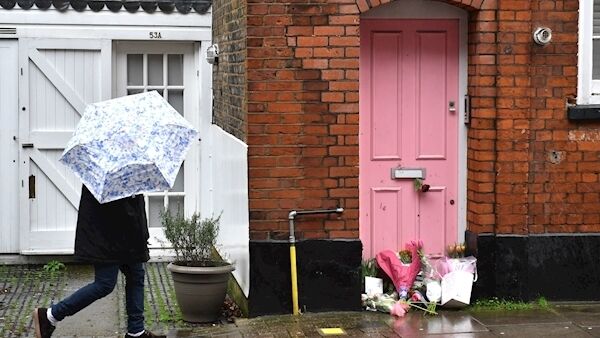
Caroline Flack died by suicide last Saturday. She was forty years of age.
She had been a tabloid fixture for the last decade, and the coverage was often harsh. She wasn’t perfect – her decision to date Harry Styles when he was 17 and she was 31 left many uneasy and the allegations of domestic abuse after the police were called to her home in December were grave – but the double standards that women are subjected to in all walks of life, but especially in the public eye, soon became clear.
“If the genders were reversed, a man would be lambasted for that!” people cried, as if a famous man would be called a ‘paedophile’, like Caroline was, for consistently dating women 20 years younger than him.
I disagree with the criticisms of the CPS (the UK version of the DPP) for prosecuting this case despite the alleged victim’s insistence he did not want it to go ahead; anyone who works in this sector knows too many cases have fallen apart because the victim doesn’t support the litigation, whether that’s because they’ve been coerced or simply because they still love their partner and don’t want to see them hurt.
There was an important conversation to be had about how male victims of domestic violence are treated in our society, how they can be ridiculed and disbelieved, but the pillorying of Flack – the lurid headlines, the photographs from inside her home splashed across the front pages of the tabloids, the relentless trolling – was extraordinary.
People claimed she was getting off ‘easier’ because of her sex, as if male abusers were regularly held accountable for their actions, as if we don’t live in a world where the police were called to the house of a prime minister because of concerns for his girlfriend’s safety and the incident was spun as a ‘liberal agenda’ to harm the man’s reputation, soon forgotten from the public consciousness.
Lainey Gossip, an online blogger, often compares the world of celebrity gossip to an eco-system. “The ecosystem cannot exist without all of its components functioning,” she says.
There has always been an uneasy symbiotic relationship between celebrities and the media, since the days of Old Hollywood when studios would use magazines such as Photoplay to carefully construct images for their favoured starlets. But the reality is that those magazines wouldn’t have existed in the first place if there wasn’t a consumer demand for them.
Since Flack’s death, there has been an outcry, slamming the tabloids for the part they played in this tragedy. And yes, there has to be a reckoning with the way which the media treats people in the public eye, particularly women. They cannot be allowed to continue to treat these figures as if they’re gladiators, fighting to the death for our amusement. But to solely blame the tabloids absolves the rest of us of any responsibility.
When Princess Diana died, there was a similar backlash against the paparazzi but the photographers were desperate because those photographs were lucrative. They were lucrative because they guaranteed higher sales for news editors. And who was buying the magazines and the papers? We were. Who clicks on the headlines? Who comments under articles, good or bad, driving their traffic up? We do.
Even as we condemned the tabloids for hounding Caroline Flack to such a degree that she felt taking her own life was preferable to facing more public humiliation, where did we go to find out information about her death and her family and what her famous friends said about her passing? Why, the same websites we’re currently castigating. Make no mistake - we are all complicit in this. We are all part of this ecosystem.
We don’t want to admit to that collusion, of course. Besides the justified critique of the tabloids, there have also been calls to cancel Love Island, citing a recent spate of suicides attached to the show. ITV should look at their duty of care to all contestants, but this isn’t the fault of any one programme.
David Baddiel wrote a piece for the Sunday Times where he noted that no contestant who took part in Big Brother in the early 2000s took their own life. He wrote, “Nasty Nick… didn’t leave the show and immediately switch on a screen in his own house showing thousands of messages telling him he was a terrible person and deserved to die… Social media has weaponised – nuclearized – the worst parts of ourselves.”
And it was fascinating yesterday, looking through tweets under #RIPCaroline. How many people called for empathy and compassion, but a little further up their Twitter feeds, they were attacking Meghan Markle and Taylor Swift, making vicious comments about a Love Island contestant’s ‘tree trunk thighs’, and seemingly not able to make the connection between the two.
One young woman was called out for her duplicitousness when she expressed her sorrow about the news (“the media are defo to blame for this”) and then older tweets were unearthed in which she called Flack a ‘nonce’ and an abuser. People started hurling abuse at her, the same way they claimed she had abused Flack, until the young woman deleted her account.
And on and on it goes, and we learn nothing. Nothing changes. We will pay lip service to the importance of mental health while continuing to contribute to a culture that actively harms people struggling with mental health issues until the next tragedy happens and we begin this poisonous cycle again.
In one of her last Instagram posts, Caroline Flack uploaded a photo that said, ‘In a world where you can be anything, be kind’, and sometimes it feels as if kindness is an increasingly endangered quality.
There’s a difference between criticism and holding someone accountable for bad behaviour, and the vitriolic abuse many people are subjected to online on a daily basis, and I fear too few of us today can see the line which separates the two.
Our words affect others. Our words matter. Maybe it’s time we start choosing them with more care.

CONNECT WITH US TODAY



Be the first to know the latest news and updates