Examiner Yourself: Dr Phil Kieran on breakthroughs in treatment of children's cancers
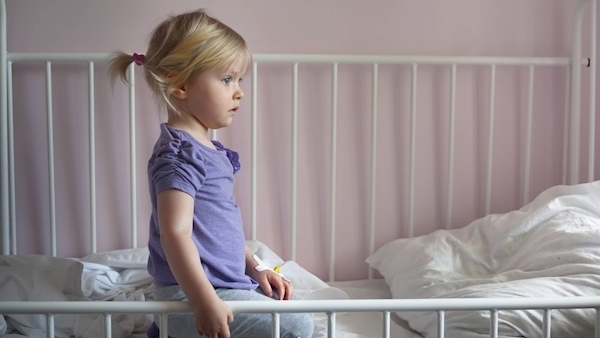
200 children and adolescents a year in Ireland will be diagnosed with a cancer. Symptoms are often similar to those of more common, less serious illnesses, but go to your GP if you are worried, says
THE first person I knew who had cancer was a boy a year ahead of me in school. He had leukaemia.
He got a check-up before a school tour, as he had been unwell for a while, and the next thing I was being told about cancer and leukaemia. I saw him from time to time and heard he was improving, but then, while awaiting further treatment, he relapsed.
I always knew, abstractly, that this was devastating for his family, but only now, since I have become a parent, do I realise that no one knows the pain of having a terminally ill child, not unless it has happened to them. Whenever I try to imagine how hard it must be, my brain pulls away from it and I just feel relief for my child’s health.
Thankfully, stories like this are rare. Childhood cancers are not common and most are very curable. About 200 children in Ireland (under the age of 19) will develop a cancer, which means there is approximately a one in 3,000 chance of any child being affected.
The most common types are leukaemia, lymphoma (both cancers of the blood), and osteosarcoma (bone and muscle cancer).
Leukaemia, a blood cancer, occurs when abnormal white blood cells are over-produced and, in turn, cause problems with the immune system and the body’s ability to function. It most commonly starts at between two and five years of age. Symptoms include weight loss, severe fatigue, easy bruising, and paleness.
Also, if your child develops a limp, which doesn’t settle down fairly quickly, and if there was no knock or bang to the leg, you should take them to their GP for a check-up. Leukaemia is curable in 90% of cases. This huge improvement in treatment gives great hope to any parent unfortunate enough to be faced with this diagnosis.
Lymphoma is a blood cancer that affects the white cells, which are found in the lymph nodes. These are the small, ball shapes that are very noticeable in your child’s neck when they have a head cold or throat infection. The symptoms are similar to leukaemia, in that severe fatigue and weight loss are common.
There is also, often, an enlarged lymph node or lump in the child’s neck, in their armpit, or in the groin. If you are ever worried about a new lump under the skin, bring them to the GP, who can reassure you and let you know if follow-up is necessary or not. Approximately 90% of children diagnosed with lymphoma will be cured.
Osteosarcoma is a rarer cancer. It usually starts with a lump in the leg or difficulty walking. It is diagnosed on x-ray and treatment usually requires surgery. When I was in college, the treatment for this type of cancer was to remove the affected leg immediately; however, now, a surgical procedure to keep the limb is usually attempted wherever possible. This is a huge improvement over the past 10-15 years, as I now have a number of patients who are cured and living perfectly normal lives.
Cancer is a group of conditions with vague symptoms that are shared by much more common illnesses. This makes cancers difficult to diagnose. Don’t be afraid to ask your doctor if you have any concerns about a slow-to-settle illness, or if your child seems to be sick more than other people’s (bear in mind, the average number of viral infections in a young child is between 8 and 12 per year).
WE, as GPs, will be very interested in the timeline of symptoms, so if you can remember when they started and how long they have been going on, it can be very helpful. In cases where I am concerned, but think it is most likely a benign condition, I ask the child to come back after a period of time. Another common approach is to tell parents what worrying signs to look out for and to tell them to come back if things don’t settle.
If this is what you have been advised, be sure to go back if the symptoms are persisting. As a GP, if we don’t see you back when we expected, we will assume everything settled down.
Two things in childhood can significantly reduce the risk of cancer later in life.
Firstly, sun protection. Children should never be sunburned in their lives and even a deep tan is not advised. Ten to 15 minutes of sun exposure gives plenty of vitamin D and then covering up and using high factor sunscreen is very important.
Children’s skin is quite sensitive to UV radiation and they can burn quite easily, even through cloud cover, so be protected.
Secondly, HPV. HPV is a common virus, which almost everyone is exposed to in his or her lives. This can cause cervical cancer in later life for women and genital cancers and head and neck cancers in both men and women. The vaccine is now available for both boys and girls and I implore every parent to vaccinate their children. This vaccine saves lives.
CONNECT WITH US TODAY



Be the first to know the latest news and updates

















