Latest: Simon Coveney changes position on abortions up to 12 weeks
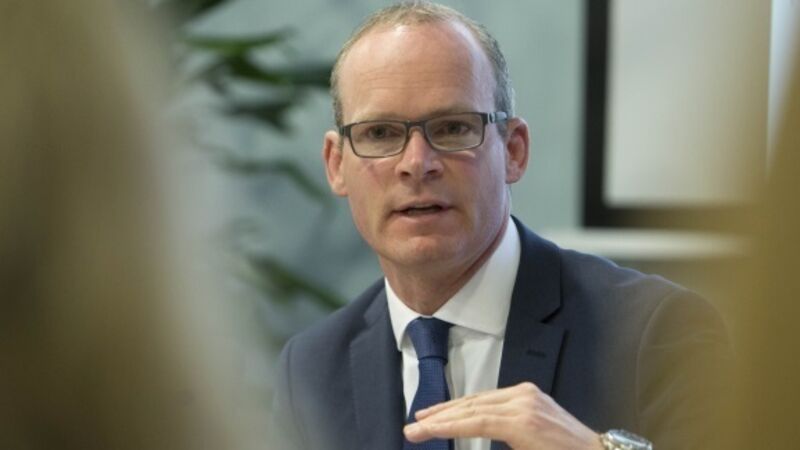
Tánaiste Simon Coveney has given his support to proposals allowing abortion up to 12 weeks.
Simon Coveney had been opposed to the idea and was seen as the main pro-life voice at the Cabinet table. His shift in position could have a major impact on the abortion referendum campaign.
Minister Coveney had previously expressed his discomfort with the Government proposals for abortion without restriction for up to 12 weeks, and was expected to campaign against them.
However, writing exclusively in the Irish Independent this morning, the Foreign Affairs Minister said that he has now changed his mind.
Minister Coveney says he still has concerns that people who are raising legitimate questions about the unborn are being dismissed as dinosaurs or anti-women.
The Health Minister and senior clinicians have reassured the Tánaiste on a number of issues he felt strongly about.
Simon Coveney says he also feels satisfied that the 12 weeks limit would not allow for the testing for disabilities.
In his piece this morning, the Tánaiste says he supports allowing abortion pills up to 12 weeks gestation, or 10 weeks of pregnancy.
"In recent weeks the Health Minister and senior clinicians have worked with me on the safeguards and structures to the proposed law that I hope will enable those unsure to vote ‘Yes’," he wrote.
"The legislation Minister Harris will bring to Cabinet tomorrow will not give unrestricted access to abortion at any point in pregnancy."
He concludes: "Life and the creation of life is a precious thing. So balancing Ireland’s responsibilities to women and children is complex.
"However, I believe if people vote ‘Yes’ in this Referendum and allow the Government to legislate we will get that balance right and protect women in the appropriate way."
It is expected that there will be attempts to change the legislation from 12 weeks to 10 weeks if the 8th amendment is repealed and it comes before the Oireachtas.
He also cited concern that if abortion pills were not made available in that time frame, women would continue to access them online and without the advice of a doctor.
He said he backed the 12-week proposal if it was accompanied by strict medical protocols.
"When it comes to prescribing abortion pills early in pregnancy, I have struggled most with this issue," he wrote.
"If we do nothing, we know pills will continue to be purchased online and taken without medical advice or supervision. We cannot knowingly allow this to continue, given the dangers involved."
However, pro-life campaigner Katie Ascough says that this issue has been exaggerated in the abortion debate.

"Illegal abortion pills are a phenomenon that happens in almost every country, not just in Ireland, it happens in the UK," she said.
She added: So it's not just specific to Ireland, so it's not the case so we say: 'OK, pills are happening here anyway, let's just legalise abortion' - it's actually an issue which happens in other countries as well."
On Tuesday, Health minister Simon Harris will outline detailed proposals to Cabinet colleagues on the potential shape of future legislation if there is a repeal vote in the referendum.
Those will include a pause period within the 12-week timeframe, so a woman would have to wait at least 48 hours after requesting a pill for it to be prescribed. The proposed laws will also outlaw late-term abortions, other than in medical emergency situations.
Mr Coveney wrote: "I could never support a law that allows for late-term abortions. The Government will move to close off any suggestion of that happening by stating that a baby who could survive outside the womb will not be aborted in any circumstance."
Tánaiste Simon Coveney has given his support to proposals allowing abortion up to 12 weeks.
Mr Coveney had previously said he does not believe there should be unrestricted access to abortion at any point in a pregnancy.
However, the Foreign Affairs Minister now says that he will support a law that allows access to abortion up to 12 weeks "if it's coupled with strict medical guidelines".
Mr Coveney says his new stance on the issue follows weeks of meetings with the Health Minister and senior clinicians.

CONNECT WITH US TODAY



Be the first to know the latest news and updates