HIQA finds little progress on increasing medication safety in hospitals
Learning from the recent approach to tackling the threat posed by superbugs could be the key to improving other areas of patient safety, according to the health services watchdog.
Despite recent improvements, recurring issues continue to hamper the delivery of the best hospital care possible, according to HIQA's overview report on its monitoring of public acute hospitals during 2018.
Last year, the Health Information and Quality Authority (HIQA) carried out 38 inspections in 36 public acute hospitals assessing the quality of care in specific areas of concern, including infection prevention and medication safety.
Inspectors found that while the enhanced national approach taken by the HSE in more recent times has played a significant role in tackling the increase of the superbug CPE (carbapenemase producing enterobacterales), little progress has been made on tackling medication safety.
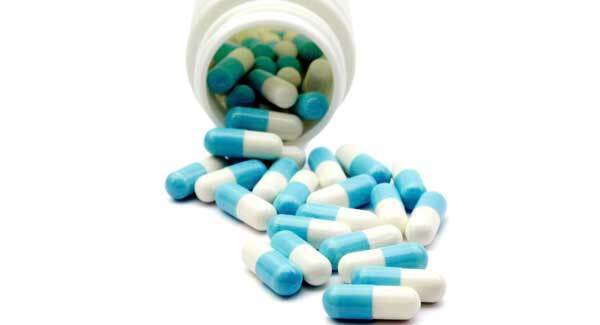
Medication safety, the prevention of errors in the administration of medicine, can often be very serious and can result in a patient's death when harm does occur, according to HIQA.
"Medication safety has a near-universal impact on patients and therefore must be better prioritised across all Irish hospitals," said Sean Egan, head of healthcare at HIQA.
"Ensuring best practice in medication safety in hospitals warrants urgent and more ambitious attention at a national level within the HSE, similar to the approach being applied to managing CPE."
The watchdog visited 10 hospitals during the course of 2018 to specifically track medication safety, which has a "near-universal impact on patients."
Despite improvements in how a number of concerns are managed, inspectors repeatedly found widespread variations in medication safety programmes across hospitals.
HIQA also expressed concerns over the under-reporting of medicine safety incidents.
As last year was the third year implementing the medication safety programme, HIQA said it was discouraged to see that the pace of progress implementing improvements has remained slow in some hospitals.
Four hospitals were issued with ‘high-risk letters’ by HIQA due to limited progress on risks identified by inspectors.
One of these letters, sent to a hospital following its re-inspection, related to its inadequate storage of medications that needed refrigeration, as well as uncontrolled access to a treatment room in a paediatric area.
“The lack of progress made with medication safety in these three hospitals highlighted that improvements require long-term focus and investment.”
While HIQA believes more work is needed to fully respond to antibiotic resistance, it believes there is potential to share valuable lessons from the approach taken by the HSE in recent times to managing CPE nationally.
"In particular, important and positive lessons can be drawn from how targeted national coordination and leadership within the HSE was deployed to more comprehensively face this threat. Such an approach is worthy of further consideration as part of ongoing efforts to address other areas of known patient safety concern."
Hospitals and the HSE should consider adopting a similar national approach to medication safety as is currently being applied to managing CPE, the report recommends.
CONNECT WITH US TODAY



Be the first to know the latest news and updates