Garda HQ fears Dwyer ruling will hit future probes
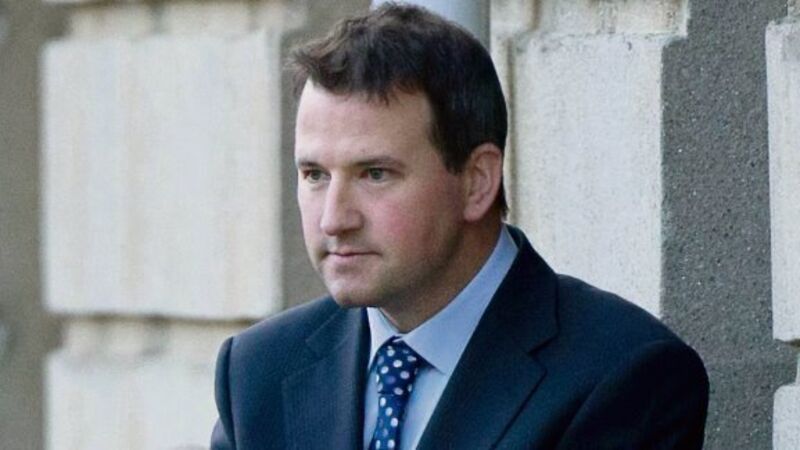
Garda HQ is concerned about the impact the High Court ruling in the Graham Dwyer case will have on future investigations into serious crime.

Garda HQ fears Dwyer ruling will hit future probes

Garda HQ is concerned about the impact the High Court ruling in the Graham Dwyer case will have on future investigations into serious crime.

Garda chiefs are worried at their ability to access important sources of intelligence and evidence from mobile-phone data — and in doing so investigate serious crime — following the landmark judgment.


Senior Garda sources said they are less concerned at convictions already secured using mobile-phone data and cases either awaiting trial or under way.

Legal experts have said that the implications of the Dwyer ruling are not yet clear and that overturning convictions will be difficult. They agree the greatest immediate impact is on future Garda investigations.

In his judgement, Mr Justice Tony O’Connor ruled that the Communications (Retention of Data) Act 2011, which allowed access to mobile phone data, breached EU law on individual rights.

Garda sources told the Irish Examiner their major concern following the ruling is the impact it will have on future investigations.

Sources said they do not fear that current convictions or cases are “in jeopardy”, saying the number of cases relying solely on mobile-phone data is “very rare” and that there is typically other evidence available, such as physical surveillance or forensic evidence.

Garda bosses accept it will be the DPP’s decision regarding prosecutions being considered and ones that are already under way.

“The concern is more going forward,” said one senior source. “The ruling leaves us without the underpinning legislation to access this data.”

He said this would have clear implications for putting together investigations and gathering evidence in relation to serious crime.

A legal expert said gardaí could access the data via the courts, but that this would not be straightforward.

“Following the judgment, gardaí can still access telecommunications data on the basis of a search warrant or a production order issued by a district court judge,” said TJ McIntyre, law lecturer at UCD and chair of Digital Rights Ireland.

“However, as the Law Reform Commission pointed out in 2015, these powers are themselves complex, inconsistent, and in need of reform. Consequently, there will be practical problems for gardaí in using these powers, and there is still a need for a modernised procedure which can allow appropriate access to data based on prior judicial approval.”

Mr Justice O’Connor said he could not suspend his declarations in order to allow the legislature time to enact new laws.

The Department of Justice published draft laws in October 2017 but has yet to publish the final bill. Minister Charlie Flanagan said the High Court ruling would be considered in detail and the views of the attorney general sought. This is likely to delay the introduction of the bill, which was expected to happen before Christmas.

x

More in this section

Lunchtime News

Newsletter

Keep up with stories of the day with our lunchtime news wrap and important breaking news alerts.

Cookie Policy Privacy Policy Brand Safety FAQ Help Contact Us Terms and Conditions

© Examiner Echo Group Limited