Fewer gardaí in half of Cork city stations
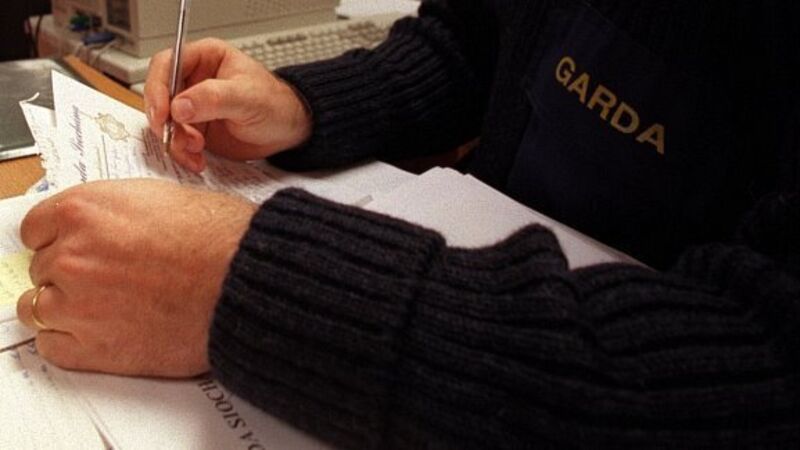
Retirements offset national increase in numbers joining force.

Fewer gardaí in half of Cork city stations

Half of all garda stations in Cork city had fewer gardaí this summer than in 2014 before the lifting of an embargo on the hiring of new recruits.

Official figures published by the Department of Justice show eight of the city’s 16 garda stations recorded a reduction in staffing levels in the past four years, despite an overall increase in the size of the force in Cork, aided by the deployment of more than 50 newly qualified gardaí.


They reveal that the number of gardaí in the city has increased from 671 in 2014 to 685 at the end of June. The increase has largely arisen from the deployment of extra gardaí to just two stations — Anglesea St and Gurranabraher.

The number of gardaí based in Anglesea St, the divisional headquarters of Cork City, has risen from 275 to 297 over the period, while Gurranabraher is up 10, from 53 to 63.

The station in Blackrock has suffered the biggest reduction in staffing levels — down 10 to 22 since 2014.

Mayfield has five fewer gardaí, with its current number of 50, while the Bridewell and Ballincollig each have four fewer gardaí at 25 and 19 respectively.

Other stations to experience a slight reduction in garda numbers are Glanmire, Douglas, Crosshaven, and Bishopstown.

Numbers in Passage West, Blarney, and Carraig na bhFear remained static.

The figures also show the overall strength of the force in the city has only grown by 14 since 2014, despite the deployment of 53 new recruits to stations in Cork over the period, due to the impact of retirements.

The trend is replicated elsewhere and is particularly acute in Dublin, where the force has only grown by 36 despite 930 new recruits being assigned to stations.

The figures highlight how the unprecedented intake of trainee gardaí across all 28 garda divisions has been largely offset by numbers retiring or leaving the force.

The Garda Representative Association claims the figures demonstrate that the “stop/start” nature of garda recruitment creates staffing problems that would not occur with a regular annual intake of new trainees.

Nationally, staffing levels have fallen at 155 stations despite the deployment of more than 1,900 graduates who passed out from the Garda College in Templemore since it reopened in 2014, as the allocation of new gardaí has been concentrated in cities and large towns.

The net increase in number of gardaí attached to more than 560 stations is 688, as a result of 1,961 new gardaí being attested.

A garda spokesperson said local management closely monitored the allocation of gardaí in the context of crime trends, policing needs, and other operational strategies, to ensure optimum use of resources.

Justice Minister Charlie Flanagan said last week that the force is expected to reach 14,000 members by the end of the year, with another 800 trainee gardaí to graduate in 2019.

The new Garda Commissioner, Drew Harris, has stated he wants garda resources to be used “efficiently and effectively”.

The Government has set a target that the size of An Garda Síochána will rise to 21,000 by 2021, consisting of 15,000 gardaí, 4,000 civilians, and 2,000 Garda Reserves.

x

More in this section

Lunchtime News

Newsletter

Keep up with stories of the day with our lunchtime news wrap and important breaking news alerts.

Cookie Policy Privacy Policy Brand Safety FAQ Help Contact Us Terms and Conditions

© Examiner Echo Group Limited