Tax changes on the way for buyers of passenger jeeps
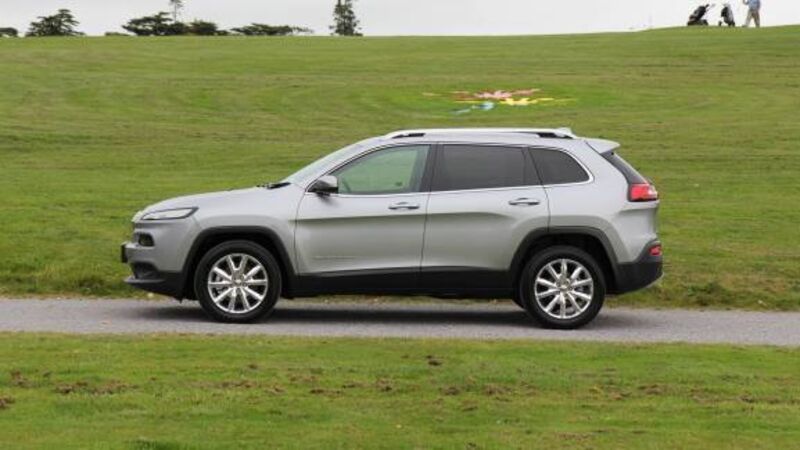
It’s the last chance saloon for passenger jeeps, with a double whammy of increased VRT and a change to the Vat rules restricting the amount of Vat that can be claimed.
Finance Minister Paschal Donohoe has clarified that the VRT rate for passenger jeeps will increase effective from July 31, from 13.3% to 36%.
Vehicles which are assigned a BE bodyworks code, such as crew cabs, where a cargo area is physically separated from the seating area will continue to benefit from the 13.3% rate.
Meanwhile, large passenger commercial vehicles, which can qualify for commercial road tax currently, will face hefty increases in VRT.
EU category N1 vehicles with four or more seats, and to which a BE Bodyworks code has not been assigned, will be included in the Category A rate from July 31.
Vehicles such Toyota Landcruiser, Range Rover Discovery, and Mistubishi Pajero are seen as farmer favourites fulfilling the dual functions of being robust enough to pull a cow box while still having the capacity to cart the family around if the need arises.
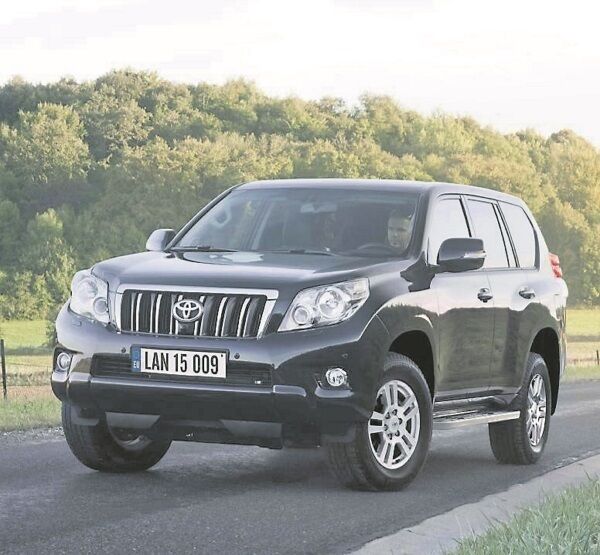
For Vat-registered farmers, the ability to reclaim Vat, avail of reduced VRT, pay commercial road tax, and benefit from capital allowances meant that these vehicles worked, both in the physical sense and from a financial perspective.
Indeed, four-wheel drive vehicles are almost a necessity on every farm now, due to their increased towing capacity.
Mr Donohoe suggested there was no change to the Vat regime, when he responding recently to a Dáil question from Deputy John Brassil, Fianna Fáil TD for Kerry, on recoverability of Vat.
“I am further advised by Revenue that there are no VAT implications in relation to the VRT changes from July 31, 2018 and the normal VAT rules will continue to apply to the purchase of N1 vehicles,” said Minister Donohoe.

However, the Revenue Commissioners updated their Tax and Duty Manual last month, and noted that Vat-registered traders are generally entitled to reclaim (some or all of the) Vat charged on the purchase
of a motor vehicle for use in their business, if the vehicle comes within the definitions of Category B or Category C vehicles for the purposes of VRT.
If such a vehicle is used exclusively for business purposes, a full refund of the Vat is allowed.
Proportional Vat may be refundable, where there is mixed use of personal and private.
If passenger jeeps with largo cargo areas are now to be defined as Category A vehicles for VRT, then it seems incongruent to suggest that Vat continues to be recoverable, based on the current Revenue manual.
As a category A vehicle (usually passenger cars), a maximum of 20% of the Vat on the purchase of such vehicle can be recovered, where the owner is Vat registered.
The vehicle must have been registered on or after January 1, 2009; and Vat can only be reclaimed for vehicles that have CO2 emissions of less than 156g/km (only vehicles in the CO2 emission bands A, B and C).
At least 60% of the vehicle’s use must be for business purposes.
For passenger jeeps such as those commonly used by farmers, the combination of increased VRT and a possibility of a seriously restricted regime for recovery of VAT will result in an increase of thousands of euro in the cost of such vehicles.
Further clarity from Revenue would be useful as to whether passenger jeeps with large cargo areas which previously qualified for full Vat deductibility can continue to do so.