Comment: Ireland’s plans for a valuable export foothold in China
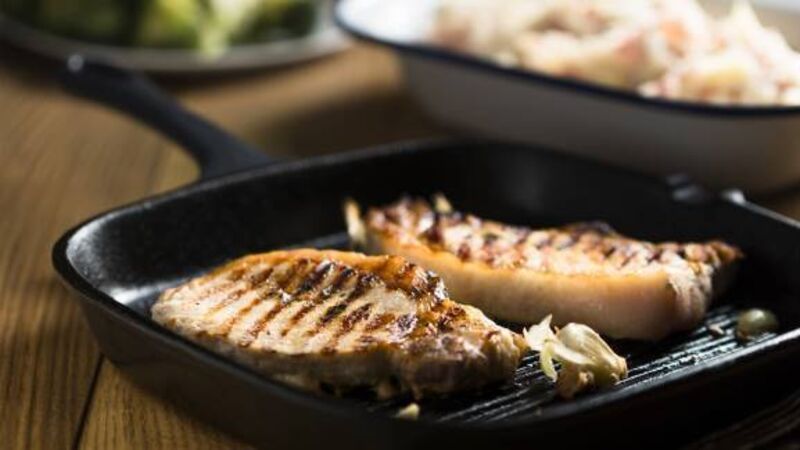
When China’s pork imports fell 20% last year, Irish imports only fell 8%. That is encouraging for the trade mission of Irish food industry representatives in China and Hong Kong this week, writes .
Bord Bia are very optimistic about the future of Irish meat in China, the only market in the world that is going to grow its imports by 700,000 tonnes in three years. That opportunity cannot be ignored by any of our meat sectors, regardless of the daunting challenge to get a foothold.

We have just a 0.1% foothold in the pork market, but that is enough to make China Ireland’s second largest market for pork.
Bord Bia says the small market share has allowed Irish pork suppliers to be more selective about working with small and medium sized importers and processors, meeting their needs with greater flexibility than larger suppliers can. This paid off last year when the market for imports dropped 20%.
Like all pork markets, it’s a volatile market in China too.
Around the world, when pork gets scarce, pig prices shoot up and pig farmers increase production, over-supply follows, and the price slumps. This happens like clockwork about every six months. It happens in China too, which produces 54 million tonnes of its own pork, and imports 4% of its needs.
The Chinese government does its best to keep supply and prices stable in this vital national industry, but in 2018, Chinese pork production recovered from a restructuring quicker than expected, the market is now oversupplied, with prices down more than 30%, but stabilising now.
But European pig meat wasn’t fully exposed to the slump, because it is trusted to be safe, and there is demand for it, regardless of local market conditions. Bord Bia has worked at building Ireland’s pork brand on excellent safety standards, sustainable production, professional suppliers, and quality product.
As the market dips into the lower end of the global pig meat cycle now, Bord Bia seeks to add further value to Irish pig meat by identifying opportunities for growth outside the main cities. Can a similar plan make China as important a market for our beef as our pork?
We have just become one of only 14 countries worldwide approved to export beef to China, and only five of them have significant market share.
According to Conor O’Sullivan of Bord Bia, we don’t need to compete with the established suppliers to build a great market. South American countries have taken 70% of the market in the last three years, but that hasn’t stopped New Zealand’s export volumes growing consistently. There is a lot of space in the Chinese market.
O’Sullivan sees the number one challenge for Ireland as ensuring that Chinese consumers know when they’re eating Irish beef. The Irish beef target consumer is: young, middle-class, living in big cities, buying online, health conscious, and accounting for more than half of restaurant spending in China. Bord Bia will set out to lift Ireland’s image above other grass-fed beef sources, by playing into these demands, and focusing on our excellent food safety, our clean environment, and our natural production system.

A fantastic opportunity to drive awareness and create a preference is seen for Ireland, as the first major European exporter with access.
But it clearly depends on our reputation for food safety more than any other factor, and it must be disappointing for the trade mission in China to hear many in the farmer organisations back home rejecting the move to make our sheepmeat safer through full electronic ID of flocks.
It is legitimate for them to argue over the cost, but the Irish Cattle and Sheep Farmers’ Association said it sees no point in electronic tagging a lamb leaving the farm, going to the factory, where the EID tag is thrown away a few hours later. However, this is what potentially huge importers like the USA and Asian countries demand.
The customer is always right, and disregarding their safety demands could earn Ireland an undeserved reputation for paying lip service to food safety.