ESRI chief: Government faces 'huge call' over the €350-a-week Covid-19 jobs payment
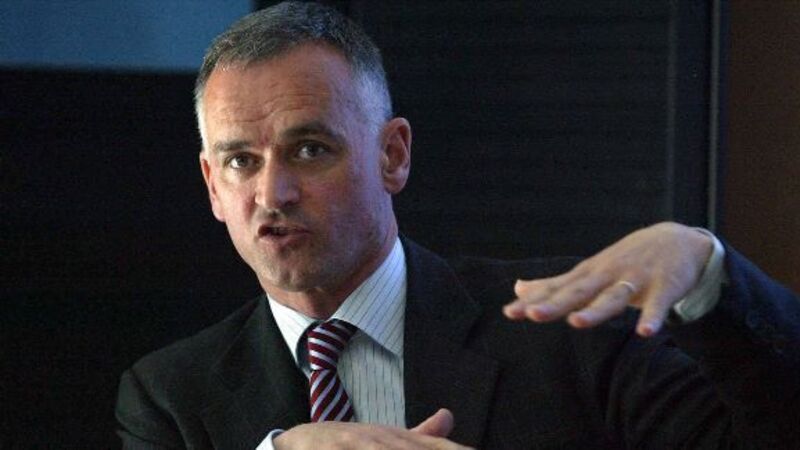
The Government faces "a huge judgment call" over maintaining the €350 a week pandemic payment as it juggles the long-term demands on the public purse and the desire to maintain household incomes for as long as possible during the Covid-19 crisis, the head of the Economic and Social Research has said.
In an interview, professor Alan Barrett, chief executive of the country’s leading think tank, also highlighted that the low skilled, the young, and women working from home during the pandemic could emerge from the crisis as the worst affected in terms of equality.
The Government faces a tough call in the coming weeks on the costs of paying for the 1.1 million people who are already receiving some sort of public payment through the pandemic unemployment payment, unemployment payment or availing of the wage-subsidy scheme through their employer, he said.
“It’s very difficult because everyone’s instinct is to support people for as long as possible but that will have to be balanced by borrowing over a long period and the call on the public finances,” Mr Barrett told the Irish Examiner.
He said typically the low-skilled and the young fare worse when “the tsunami of job losses” hits in the early stages of recessions. But the Covid-19 recession has “additional features” which will reinforce inequality because the jobs worst hit by the lock downs include hospitality and retail which have a disproportionate share of low-skilled and a young workforce.
As the focus turns to recovery, Government initiatives will have to be about retraining the long-term unemployed.
On gender, the additional feature the crisis is childcare, he said. “We do know the extent in western societies to which childcare falls disproportionately on women’s shoulders. This has probably worsened and even for women who can notionally work from home it can reinforce the wage gap between genders in the household,” Mr Barrett said. “The gender issue is hidden,” he said.
Affordable childcare is a solution to gender inequality, he said, adding that the areas where the State has previously been reluctant to get involved may now need to be addressed.
On other policy prescriptions, the challenge will be on retraining. comes in identifying what the next growth areas will be or whether retail springs back and becomes a growth industry again. “We just really do not know,” he said.
CONNECT WITH US TODAY



Be the first to know the latest news and updates