Whistleblower Manning convicted of espionage
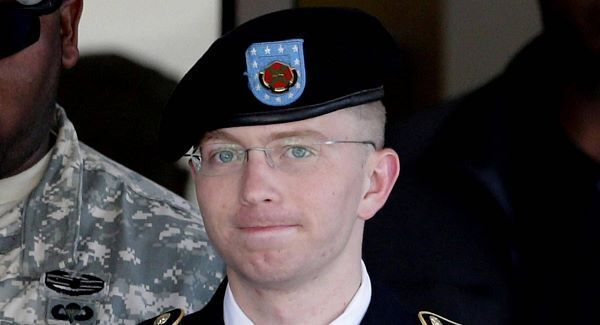
The judge deliberated for about 16 hours over three days before reaching her decision in a case that drew worldwide attention.
Supporters hailed Manning as a whistleblower. The US government called him an anarchist computer hacker and attention-seeking traitor.
The WikiLeaks case is by far the biggest release of classified material in US history. Manning’s supporters included Pentagon Papers leaker Daniel Ellsberg, who in the early 1970s spilled a secret Defence Department history of US involvement in Vietnam that showed that the US government repeatedly misled the public about the war.
Manning’s sentencing begins today at Fort Meade, Maryland. The charge of aiding the enemy was the most serious of 21 counts and carried a potential life sentence.
His trial was unusual because he acknowledged giving WikiLeaks more than 700,000 battlefield reports and diplomatic cables, plus video of a 2007 US helicopter attack that killed civilians in Iraq and a Reuters news photographer and his driver. In the footage, airmen laughed and called targets “dead bastards.”
Manning pleaded guilty earlier this year to lesser offences that could have brought him 20 years behind bars, yet the government continued to pursue the original, more serious charges.
Manning has said he leaked the material to expose the US military’s “bloodlust” and disregard for human life, and what he considered American diplomatic deceit. He said he chose information he believed would not the harm the United States, and he wanted to start a debate on military and foreign policy. He did not testify at his trial.
Defence lawyer David Coombs portrayed Manning as a “young, naive but good-intentioned” soldier who was in emotional turmoil, partly because he was a gay service member at a time when homosexuals were barred from serving openly in the US military.
Mr Coombs said Manning could have sold the information or given it to the enemy, but gave it to WikiLeaks in an attempt to “spark reform”.
The lead prosecutor, Maj Ashden Fein, said Manning knew the material would be seen by al-Qaeda. Even Osama bin Laden had some of the digital files at his compound in Pakistan when he was killed.
The Manning trial unfolded as another low-level intelligence worker, Edward Snowden, revealed US secrets about surveillance programmes. Snowden, a civilian employee, has told The Guardian newspaper his motives were similar to Manning’s, but he said his leaks were more selective.

CONNECT WITH US TODAY



Be the first to know the latest news and updates