City-sized iceberg drifting away from Antarctica
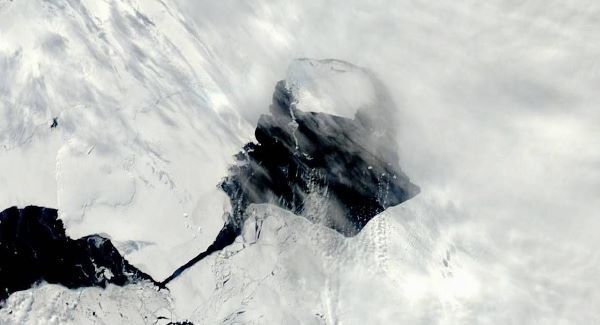
The iceberg, which is approximately 270 square miles in size, broke away from the Pine Island Glacier in July but was iced-in due to freezing Arctic temperatures.
Aided by strong winds, the massive block could move eastwards along the Antarctic coast or drift into the South Atlantic Ocean - potentially causing a hazard to ships.
UK researchers have been given an emergency grant to track the movements of the iceberg for six months.
A team of scientists will use data from a range of satellites to track the iceberg and predict any environmental impact.
Professor Grant Bigg from the University of Sheffield is heading up the project.
He said the current movement of the iceberg "does not raise environmental issues" but could be a problem if it moves into shipping lanes.
"If the iceberg stays around the Antarctic coast, it will melt slowly and will eventually add a lot of freshwater that stays in the coastal current," he said.
"Similarly, if it moves north it will melt faster but could alter the overturning rates of the current as it may create a cap of freshwater above the denser seawater."
Professor Bigg said the iceberg was not large enough to have a long-lasting impact, but is worried about the effects of built-up freshwater if these events become more common.












