Dr Bernadette Carr answers your questions on diet during pregnancy and writer’s cramp
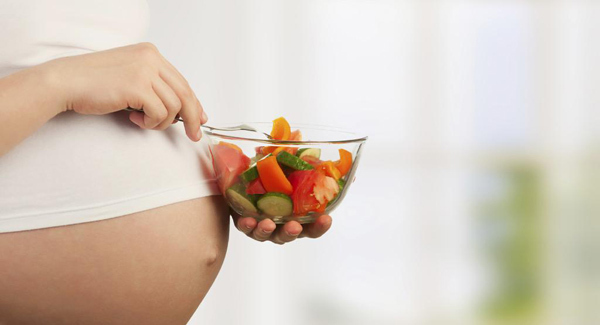
A healthy diet is very important in pregnancy to ensure you and baby are getting all the nutrients you need to stay strong and active.
Folic acid is a very important supplement and all women who are trying to conceive or in the first trimester of pregnancy should be taking at least 4mg of folic acid a day.
This is an essential nutrient in the development and growth of your baby’s spinal cord and brain to prevent spina bifida.
Folic acid is found in green leafy vegetables and in some fortified breads, cereals, and milks.
An iron supplement may also be recommended for you by your obstetrician or GP after 12 weeks if you are suffering from low iron (anaemia).
Adequate iron is essential in the development of healthy blood cells which are needed to transport oxygen around the body. Low levels may result in tiredness and exhaustion.
During pregnancy bacteria and other substances in food can be transferred to the developing baby from the mother.
It is advisable to avoid unpasteurised milk, cheese and undercooked meat.
All steak and meat should be well-done to kill any harmful bacteria such as listeria or toxoplasmosis infection.
Calcium and vitamin D are essential minerals for the development of strong bones and teeth.
It is vital to ensure an adequate supply in pregnancy. Dairy products such as milk and yogurts are a good source in the diet.
It is advisable to limit the amount of tuna consumed to no more than four medium cans of tuna a week and to avoid any swordfish or marlin as these types of fish contain higher levels of mercury than others which may be harmful to baby.
Caffeine can be taken in moderation. Alcohol and cigarettes should be avoided during pregnancy. Drinking alcohol during pregnancy is associated with harm to the baby which may be related to development or behaviour. Smoking is linked with low birth weight, stillbirth and premature delivery.
It is advisable to contact your doctor before starting any new medication in pregnancy and to avoid taking any unnecessary medications or supplements.
In the last couple of weeks the fingers of my right hand where I hold my pen have become painful. Could I have writer’s cramp?
It is possible the symptoms you describe may be from what is known as writer’s cramp where repetitive motion (mainly writing or playing a musical instrument) leads to cramp, tremor or involuntary movement of the hand or arm.
Writer’s cramp is often the result of either an increase in writing (or repetitive movement) or an increase in the time spent on the activity each day or a combination of both.
It is also more likely if you don’t take regular breaks. This is followed by tightening of the fingers, hands and forearm whilst writing.
* Try to avoid gripping your pen / pencil. This is easier said than done as sometimes in our eagerness to take down every word our grip on the pen gets tighter as we write.
* Don’t use the same pen or pencil, bring a selection to lectures with you of varying sizes and thickness and change frequently.
* Before and in between lectures, gently massage and rotate your fingers and wrists.
* When you get home, put your hands into a bowl of warm water for a few minutes and gently move your fingers in the water.
Avoid slouching or hunching your shoulders. Both feet should be on the floor, avoid crossing your legs. Regularly check your posture during the day and rotate your shoulders during your breaks.
Once your fingers and hands have become used to the increased activity, these symptoms should ease.
However, if there is no improvement or they increase then you need to make an appointment with your GP.
CONNECT WITH US TODAY



Be the first to know the latest news and updates