White-tailed eagles breed successfully for second year
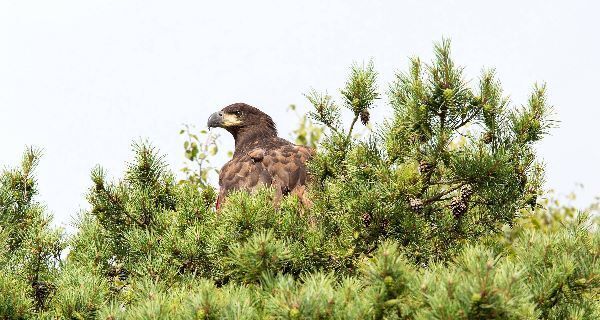
This is the third fledged chick of a reintroduction programme, which began in 2007 with the phased release of young Norwegian eagles in Killarney National Park.
The Lough Derg pair made history last year when they produced the first two chicks to fly from a wild nest in Ireland for the first time in over 100 years.
The Golden Eagle Trust, which is managing the project, yesterday said the latest fledging is another significant milestone in the programme.
The bird flew the nest on July 26 and, by July 29, could be seen perched on tall pine trees on the nest inland.
This year, seven pairs of white-tailed eagles nested across counties Kerry, Cork, Clare, and Galway. However, all but the Clare pair failed to hatch or rear chicks to fledging, mainly due to inexperience and cold and wet weather during the spring, according to the trust.
A pair near Glengarriff, West Cork, also hatched chicks but these did not survive to fledging.
Over the coming years, the trust expects several pairs to successfully rear young. It is hoped that the latest chick will survive and breed from 2018 onwards.
Project manager Allan Mee said it was hoped a viable, self-sustaining, eagle population would form here.
“The signs are good that we can achieve this, with 10 or more pairs likely to breed annually over the next few years,” said Dr Mee.
“While there is still a lot of hard work to be done to achieve this goal, we should savour this day as a really important milestone in the recovery of this iconic species — and the site continues to provide a unique opportunity for both local people and visitors to watch nesting eagles.”
This year’s chick is expected to stay around the nest island and the western shoreline near Mountshannon over the coming weeks with its parents. Sometime in the autumn or winter, it will leave its parents’ territory and begin a three-to four-year nomadic life before settling in its own territory and attempting to breed.
Nesting in Co Clare began in late March and the chick hatched in late April. In the following three months, it was cared for by its parents, a six-year-old male and five-year-old female, who provided it with a diet of mainly fish, especially pike, bream, and eels.
More than 7,000 visitors viewed the Mountshannon nesting area over a two-month period.